
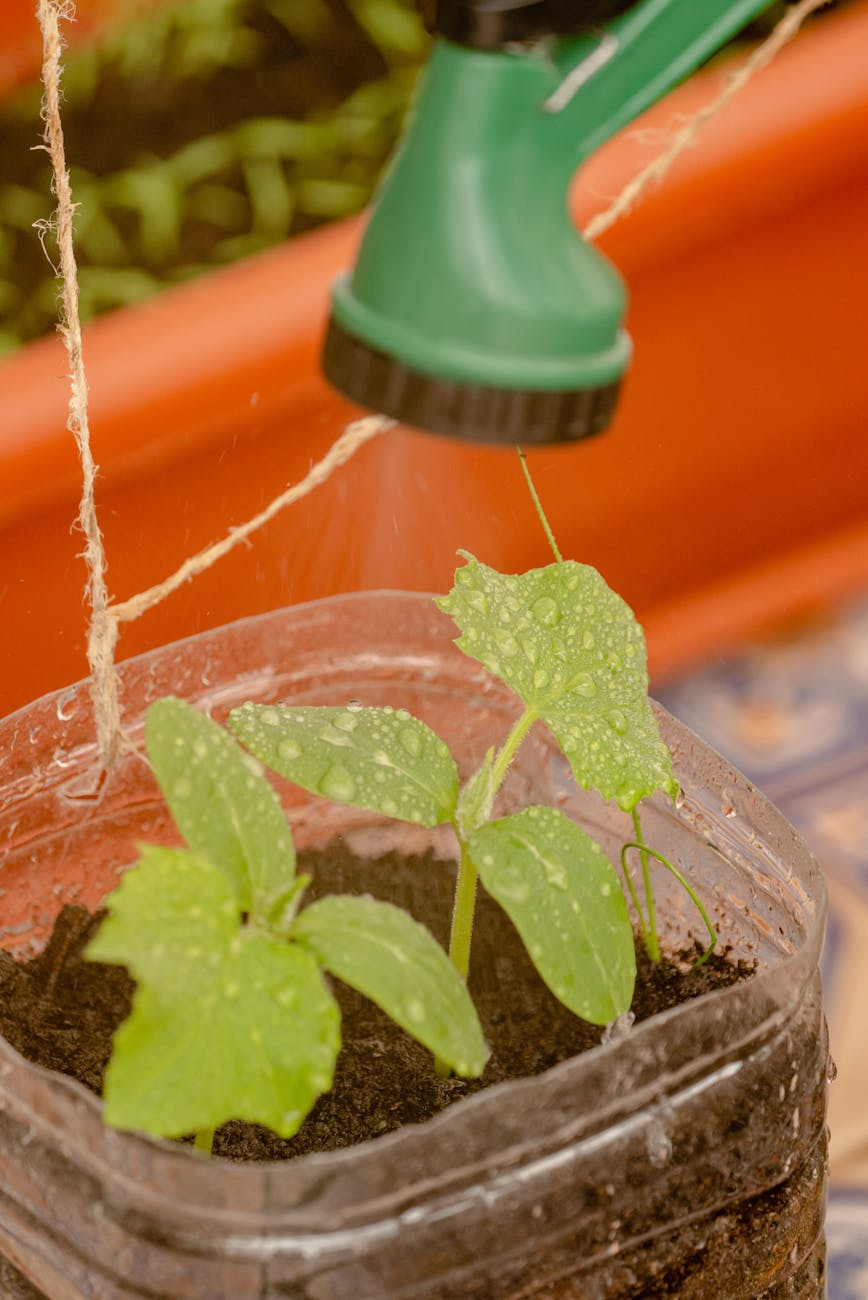
Bringing Water Management to Your Balcony: Why Self-Watering Systems Matter
Small urban spaces present unique challenges for gardening. You have limited soil volume, fluctuating temperatures, and the constant battle against water loss through evaporation. Standard watering methods often prove inefficient. A simple watering can leads to uneven moisture distribution. Some areas stay bone dry while others suffer from root rot. This is where the concept of a self-watering systems urban gardening solution steps in. It shifts the paradigm from reactive watering to proactive moisture management. We are essentially engineering a micro-ecosystem for your container plants.
The core problem we solve is substrate saturation and water scarcity simultaneously. Plants need consistent, adequate moisture. Roots require consistent access. A self-watering setup addresses this by creating a controlled reservoir directly adjacent to the root zone. This system mitigates the high frequency of manual watering that plagues small urban gardeners. It allows plants to draw what they need when they need it, reducing waste and gardener fatigue.
The Mechanics Behind Effective Container Watering
Understanding how water moves through soil is crucial. Soil acts like a sponge. When you water manually, water immediately runs off or evaporates before the roots can fully absorb it. This surface application often results in inefficient use of resources. Self-watering systems bypass this inefficiency. They establish a stable water source below the potting medium.
Consider the physical mechanism at play. Water is held in a submerged base layer or reservoir. Capillary action, a fundamental physical force, draws water up through the porous growing medium and into the roots. This constant capillary pull ensures that the soil remains consistently moist, mimicking ideal conditions for many plants. The system manages the water supply, not just the application.
Evaluating DIY Options for Urban Growers
Building your own setup requires assessing what your specific space demands. Not all self-watering solutions are created equal. We need to look at materials, scale, and maintenance effort. Budget constraints are a major factor in urban gardening. Therefore, prioritizing simple, accessible materials is key for the DIY approach.
Some popular methods involve using nested containers or specialized wicking systems. The design must account for the geometry of your specific container setup. Will you be using tiered shelving? Are your pots deep or shallow? These spatial considerations heavily influence how you engineer the water delivery mechanism. Choosing the right vessel is as important as choosing the watering method itself. When selecting materials, always think about drainage capacity and material longevity. Referencing principles from Container Gardening 101: Pots, Soil & Drainage for Urban Spaces will help frame the foundational requirements before you start assembling anything.
Designing Your Custom Self-Watering Setup
The beauty of DIY is customization. You are not constrained by off-the-shelf commercial products. You can tailor the system precisely to your container size and material choices. This requires a bit of thoughtful engineering rather than simple assembly.
Method 1: The Sub-Irrigated Planter (SIP) Approach
This method focuses on creating a sealed, self-contained water environment within the planter itself. It is excellent for beginners who want maximum control over the root zone. You essentially create two interconnected containers. One acts as the reservoir; the other holds the growing medium.
To implement this effectively, you need an impermeable barrier to separate the water source from the soil volume above it. This often involves using a liner or ensuring the upper pot is designed to sit directly atop a water-retaining base. The principle relies entirely on creating a consistent hydrostatic pressure gradient that feeds the roots constantly.
Method 2: The Reservoir and Wick System
This approach utilizes an external reservoir connected to the growing pot via a wick—a fibrous material that draws moisture up by capillary action. This is a very visible, easily understood mechanism. You place the pot in the water, and the wick acts as the plumbing.
The efficiency of this system depends entirely on the wick material and its contact area with the soil. Natural fibers work well, but synthetic materials must be checked for degradation over time when exposed to constant moisture. Think about how much surface area your chosen container offers for effective capillary action. This connects directly to the importance of selecting appropriate vessels, as their porosity affects wicking performance. For spatial planning, review Choosing Containers for Small Urban Gardening Spaces to ensure your chosen pot geometry supports this connection effectively.
Material Selection and Budget Optimization
Budget-friendly means utilizing what you already have or finding cost-effective, durable materials. Plastic containers, often readily available, are popular starting points. Ensure any container you use is rated for outdoor exposure if it will sit directly in the sun. The key material choice must balance water retention capabilities with structural integrity.
For building reservoirs, simple plastic bottles or repurposed food-grade buckets can serve as excellent, low-cost reservoirs. The focus then shifts to creating a secure, airtight seal where necessary, and ensuring proper drainage pathways for any excess water that might accumulate outside the main root zone. Small changes in material thickness or seal quality have significant implications for long-term plant health.
Troubleshooting Common Self-Watering Issues
Even the most well-designed systems encounter friction points. Observing your plants closely will reveal where adjustments are needed. Problems usually fall into three categories: overwatering issues, under-watering issues, and system failure.
Recognizing Signs of Overwatering
The most common mistake is assuming that because water is present, the plant is fine. When a self-watering system malfunctions, it often results in chronic overwatering, leading to root asphyxiation. Symptoms include yellowing lower leaves, wilting even when the soil feels damp, and eventually, root rot. The roots need oxygen; constantly saturated soil suffocates them. If you see these signs, immediately inspect the water level in your reservoir and check if the system is actually delivering water or just holding stagnant water.
Addressing System Blockages and Clogs
Blockages are a frequent headache with DIY setups. Fine particulate matter, mineral buildup from tap water, or decomposing organic matter can clog the wicks or the base layer. If capillary action slows down dramatically, it indicates a blockage somewhere in the pathway between the reservoir and the soil. A simple intervention often involves gently flushing the system with fresh, room-temperature water to clear any sediment accumulated at the interface points.
Managing Evaporation and Temperature Fluctuations
Urban environments experience rapid temperature swings. Extreme heat accelerates evaporation from the surface of the reservoir. This means that even a well-designed system requires periodic monitoring. If you notice the reservoir depleting too quickly, it signals the need for a slightly larger water reserve or a more insulated setup. Understanding the thermal dynamics of your micro-environment is essential when designing systems for small urban gardening spaces.
By applying an analytical approach—understanding capillary physics, material limitations, and biological feedback—you move beyond simple assembly. You begin to engineer a resilient, highly efficient method for nurturing plants in tight urban confines. The result is not just a garden; it’s a controlled, sustainable environment for your container plants.
Tags: urban gardening, self-watering, DIY gardening, container gardening, water conservation, small space gardening, gardening hacks
Featured Image by Atlantic Ambience on Pexels.