
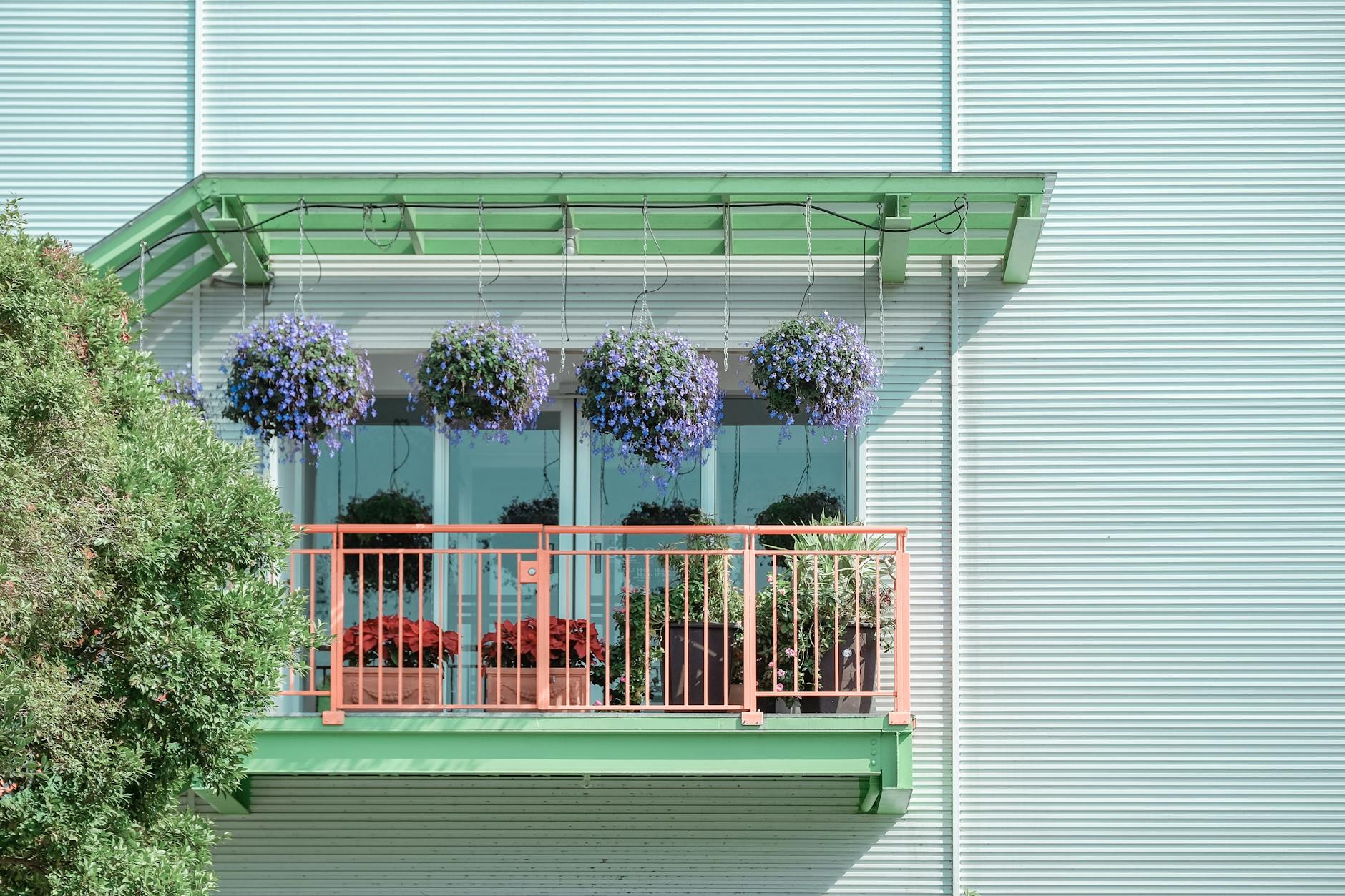
Balcony Bloom Secrets: Choosing Flowers for Your Urban Microclimate
Your balcony is more than just a concrete slab; it is a unique, highly specific ecosystem. The conditions you face—the intensity of the sun, the prevailing wind patterns, the amount of shade cast by neighboring buildings—these factors dictate which plants will thrive and which ones will simply languish. Mastering urban flower selection requires moving beyond simple aesthetics and engaging with the physics of your immediate environment. It is an exercise in observation, turning your balcony into a finely tuned microclimate where every plant has a precise set of demands.
Decoding Your Balcony’s Light Profile
Light is the fundamental energy source for any plant. In an urban setting, light quality changes dramatically depending on orientation and surrounding structures. You must stop looking at general sun exposure and start measuring how the light actually interacts with your space throughout the day.
Understanding Direct vs. Indirect Light Exposure
Direct sunlight, the intense, unfiltered rays hitting a surface for several hours daily, signals high-energy requirements. Think of south-facing balconies in many regions receiving this direct assault. These spots are ideal for sun-loving annuals and certain Mediterranean herbs. Conversely, areas shaded by neighboring skyscrapers or dense foliage experience dappled light or consistent indirect illumination. This softer light favors shade-tolerant varieties like certain ferns, hostas, and many shade-loving perennials.
The implication here is critical: placing a sun-demanding bloom in a perpetually shady spot guarantees failure. You need to map the light patterns across your space over a full 24-hour cycle. Observe the intensity shift between morning, midday, and late afternoon. A plant placed near a wall might receive brilliant morning light but be plunged into deep shade by noon—this dynamic shifting is as important as the total hours of sun.
The Role of Wind and Airflow Dynamics
Wind is not just a nuisance; it’s a massive driver of evapotranspiration and moisture loss in container gardening. High winds increase the rate at which water evaporates from the soil surface, stressing plants rapidly. Furthermore, strong airflow can strip moisture from delicate foliage, leading to dehydration even if the soil appears damp.
Consider balconies situated on exposed sides or those directly adjacent to high-traffic walkways. These areas experience significantly higher wind shear. Plants selected for these environments must possess stronger structural resilience and deeper, more robust root systems to anchor themselves against constant physical stress. This consideration informs your choice of sturdy, densely rooted flowering plants rather than delicate, sprawling vines that might be easily snapped or desiccated.
Adapting Plant Choices to Specific Microclimates
Once you have assessed the light and wind conditions, you can begin the process of urban flower selection by matching plant physiology to environmental reality. This is where theoretical knowledge meets practical gardening execution.
Selecting for Sun-Intensive Zones
For balconies receiving 6+ hours of intense, direct sun, focus on plants evolved to handle full exposure. Succulents, certain varieties of Geraniums, and many vibrant annual bedding plants perform exceptionally well here. The mechanism at play is efficient light harvesting; these plants have evolved mechanisms to maximize photosynthesis under high light intensity. When choosing these, ensure the container material is breathable, as excessive heat trapped by dark plastics can accelerate root rot.
Cultivating Shade-Prone Habitats
Balconies that receive filtered light or deep shade require different plant physiologies. This environment demands plants adapted to lower light saturation levels. Think about foliage plants that thrive in diffused light—such as Impatiens, Ferns, and Heuchera (Coral Bells). These species operate efficiently in lower photon density. When managing these selections, moisture retention becomes paramount. If you are using containers, setting up reliable moisture management systems is essential; exploring options like DIY Self-Watering Systems for Urban Containers can significantly reduce the labor involved in maintaining consistent hydration in these conditions.
Managing Transitional Zones and Wind Exposure
The areas where light and wind transition—the semi-shaded corners or the breezy edges—demand plants with flexible adaptations. These transitional zones require plants that can tolerate fluctuations in water availability and temperature. You might choose herbs, which are naturally adaptable, or flowering perennials that offer varied bloom times, providing continuous visual interest regardless of minor environmental shifts.
Container and System Integration: The Infrastructure Layer
Choosing the right flower is only half the battle. The physical container and how you manage resources within it determine success in an urban setting. The limitations of a balcony mean that water, nutrients, and physical space are finite resources that must be managed with precision.
Soil Composition and Drainage Imperatives
The medium you use directly impacts root health, especially when dealing with limited space and potential overwatering issues common on balconies. Standard garden soil compacts easily in containers, suffocating roots and impeding necessary gas exchange. A well-draining, light potting mix is non-negotiable. When selecting your substrate, prioritize aeration. Poor drainage leads to anaerobic conditions, which causes root rot; this cycle must be broken for any successful urban flower selection.
Implementing Efficient Watering Strategies
Inconsistent watering is a primary killer of balcony plants. Manual daily checks are often impractical for urban dwellers juggling busy schedules. Establishing an automated system shifts the burden from constant human intervention to reliable mechanical process. Investigating solutions like DIY Self-Watering Systems for Tiny Urban Containers addresses this by ensuring that water delivery is precisely regulated based on the plant’s actual needs, minimizing the risk of both underwatering and saturation.
Long-Term Vision: Selecting for Container Life
When you commit to a selection, think beyond the first bloom. You are selecting plants that can sustain themselves within the physical constraints of your balcony environment over an entire growing season. This means prioritizing plants with manageable growth habits and predictable seasonal cycles. Avoid overly aggressive growers unless you have substantial, deep containers capable of supporting their ambition.
The goal is symbiosis: a plant thriving because its needs align perfectly with the specific microclimate you have engineered on your small urban space. Observing the light, respecting the wind, and implementing smart watering techniques are the mechanisms that turn a collection of pots into a vibrant, sustainable balcony garden.
Tags: urban gardening, balcony gardening, flower selection, microclimate, container gardening, city gardening, plant care
Featured Image by Kai-Chieh Chan on Pexels.