
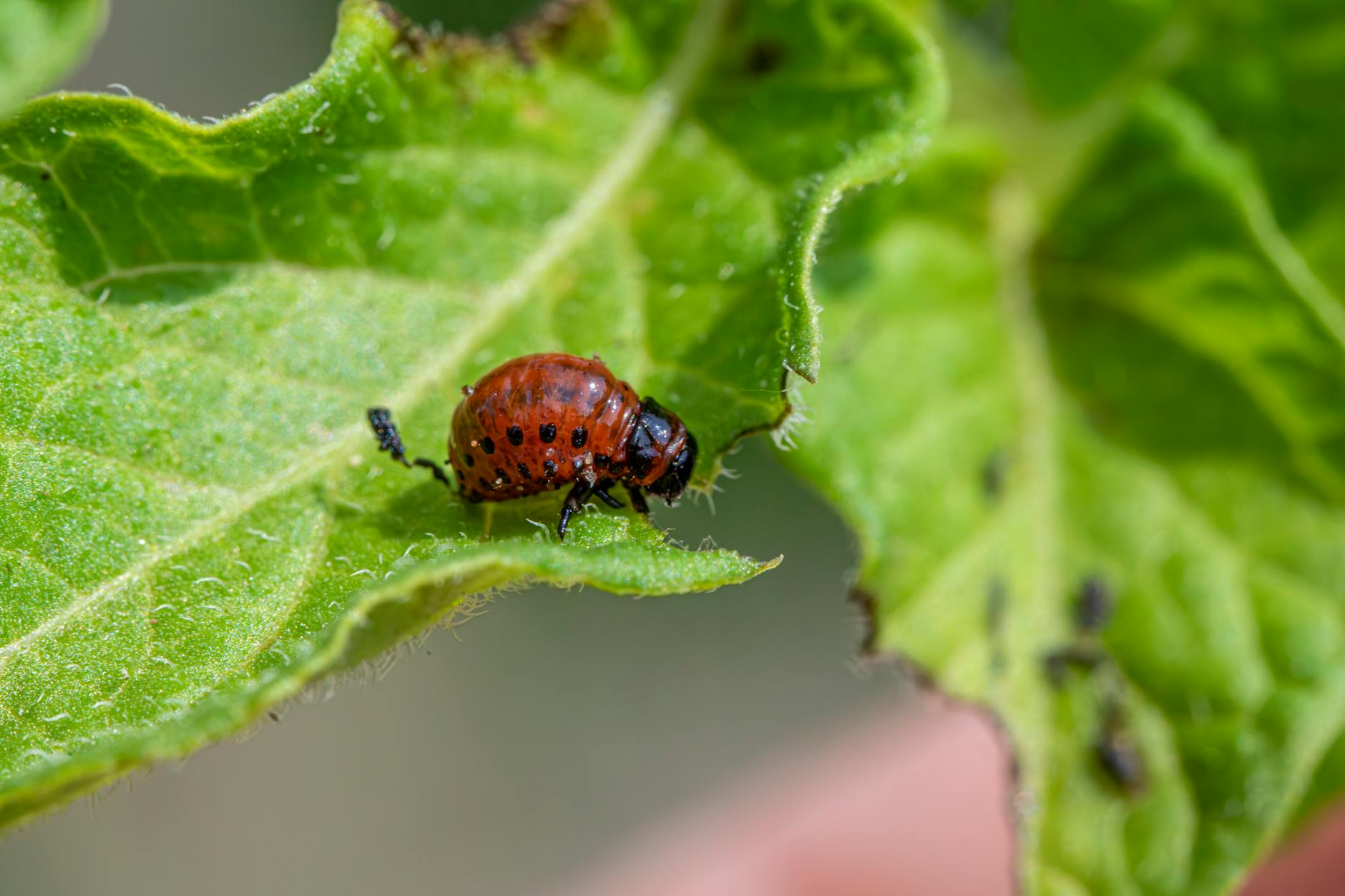
Decoding the Invaders: Visualizing Urban Garden Pest Identification
Starting a small urban garden is rewarding. You bring life into concrete spaces. But with that bounty comes an immediate challenge: managing the unwelcome visitors. Understanding what you are dealing with is the first, most critical step toward successful cultivation. Relying on guesswork or harsh chemicals rarely solves the problem long-term. True management begins with accurate urban garden pests identification.
Pests don’t just appear randomly. They respond to specific environmental cues—temperature, humidity, plant health, and proximity to other living things. Observing these interactions allows us to shift from reactive spraying to proactive intervention. We need to train our eyes to spot the subtle differences between a beneficial insect and a destructive one, or a harmless bloom and a damaging aphid colony.
The Spectrum of Urban Garden Threats
Urban environments present a unique pest profile compared to wild settings. Here, pests thrive in close proximity to human activity, often exploiting the abundant, easily accessible food sources provided by container gardening. We see a constant battle against common invaders. These are not monolithic threats; they exist on a spectrum, each requiring a distinct response strategy.
Aphids, for instance, are ubiquitous. They appear as tiny, pear-shaped insects clustered tightly on new growth or the undersides of leaves. Their presence signals stress to the plant system. Mites, often microscopic, cause stippling and discoloration when infestations become severe enough. Slugs and snails burrow into foliage, leaving behind telltale slime trails. Caterpillars consume leaves voraciously, altering the plant’s photosynthetic capacity. Each group employs different feeding habits, reproduction rates, and damage mechanisms. Recognizing these visual signatures is essential for targeted action.
Close-Up Analysis: Spotting Common Invaders
Successful management hinges on precise identification. A quick glance might suggest a general pest problem, but detailed observation reveals the specific culprit, which dictates the appropriate treatment protocol. We focus here on the most common issues faced by small-scale urban growers.
Aphids and Mealybugs: The Sticky Culprits
Aphids are perhaps the most notorious soft-bodied pests in container gardens. They feed by piercing plant tissues and sucking out the nutrient-rich sap, causing the leaves to curl, distort, and often produce a sticky, sugary residue called honeydew. When aphids multiply rapidly, they can overwhelm tender seedlings quickly. Mealybugs, while superficially similar, present a different texture. They are waxy, cottony, and often found tucked into leaf axils or along stems where the plant is trying to defend itself by secreting protective wax.
The visual distinction between these two groups—the general, mobile aphid versus the stationary, waxy mealybug—is key for initial identification. This fine-grained observation dictates whether a simple water spray will suffice, or if a more targeted intervention is necessary.
Spider Mites: The Invisible Scourge
Spider mites are often the silent assassins of indoor and container plants. They are tiny arachnids that feed by piercing the cell walls of the plant to extract fluids. While they don’t leave the obvious clusters of aphids, their presence is revealed through a distinct symptom: fine, dusty webbing between the leaves. When you inspect a leaf closely under good light, this delicate, almost invisible silk network signals an active infestation. Mites thrive in hot, dry conditions, which are unfortunately common in poorly ventilated urban containers.
Understanding Pest Behavior and Life Cycles
Identifying what is there is only half the battle. Understanding how they behave provides the roadmap for effective management. Every pest operates within a specific life cycle that dictates when and how intervention is most effective. This knowledge allows you to anticipate future outbreaks rather than simply reacting to current damage.
For example, knowing the life cycle of an aphid colony—from initial infestation to reproductive peak—helps determine the timing for applying preventative measures or introducing beneficial controls. Conversely, understanding mite reproduction rates helps set expectations regarding the duration of an infestation. We are looking not just at the present state, but the dynamic process unfolding within our small ecosystems.
Non-Chemical Pathways: Organic Management Strategies
For urban gardeners, chemical solutions often introduce secondary problems into a tightly managed space. The goal should be ecological balance. We favor methods that work with nature, leveraging physical barriers and biological controls. This approach requires diligent scouting and consistent monitoring.
Physical removal remains a powerful tool. A strong, direct stream of water can physically dislodge large masses of aphids or mites. This mechanical action is immediate and effective on a small scale. Handpicking larger pests, like tomato hornworms or slugs, provides immediate relief to the plant structure.
Biological controls introduce living solutions. Introducing beneficial insects, such as ladybugs, which are voracious predators of aphids, can establish a natural control mechanism within your garden space. This requires careful introduction, ensuring the introduced species are compatible with your existing flora. Furthermore, maintaining a healthy soil and providing appropriate feeding habits for plants creates an environment less hospitable to pest proliferation in the first place.
Consider how you structure your growing space. The choice of container material and substrate plays a role in overall plant health and pest resistance. When selecting your growing vessels, thinking about drainage and root health is paramount; this connects directly to considerations like Choosing Containers for Small Urban Gardening Spaces. Proper environment management sets the stage for pest resilience.
Creating Protective Barriers and Habitats
Prevention always outpaces cure. Building defenses into the garden structure makes future infestations less likely to establish themselves deeply within your plants. This involves managing the microclimate around your plants.
Air circulation is a critical factor. Stagnant, overly humid air creates an ideal breeding ground for many soft-bodied pests. Ensuring good airflow between plants prevents moisture from lingering on foliage, thereby inhibiting fungal diseases and reducing pest comfort levels. When setting up systems, perhaps exploring DIY Self-Watering Systems for Tiny Urban Containers can help maintain consistent, healthy soil moisture levels without creating overly wet conditions that attract certain pests.
Physical barriers also play a role. Using fine mesh netting over sensitive crops can provide an immediate physical exclusion zone against flying pests, though this must be managed carefully to ensure it doesn’t impede necessary airflow. The arrangement of plants themselves influences pest dynamics; companion planting can sometimes offer indirect protection by creating natural deterrents or confusing pest navigation patterns.
Long-Term Vigilance: Establishing a Monitoring Routine
The management cycle for urban garden pests is continuous, not episodic. An initial identification might be followed by treatment. True mastery comes from establishing a habit of routine observation. This vigilance allows you to catch nascent problems before they become full-blown crises.
Make it a practice to inspect the undersides of leaves weekly. Check stems and new growth daily. Look for subtle changes: a slight dullness in color, an unusual amount of webbing, or small clusters of insects congregating in one spot. These subtle signals are your early warning system. If you notice any deviation from the baseline health of your plants, pause. Investigate immediately. The slower, more deliberate approach yields exponentially better long-term results than panicked, broad-spectrum chemical applications. Your garden thrives when you treat it as an interconnected, living system deserving of expert attention.
Tags: urban gardening, pest control, aphids, spider mites, small space gardening, organic pest control, garden management
Featured Image by Erik Karits on Pexels.