
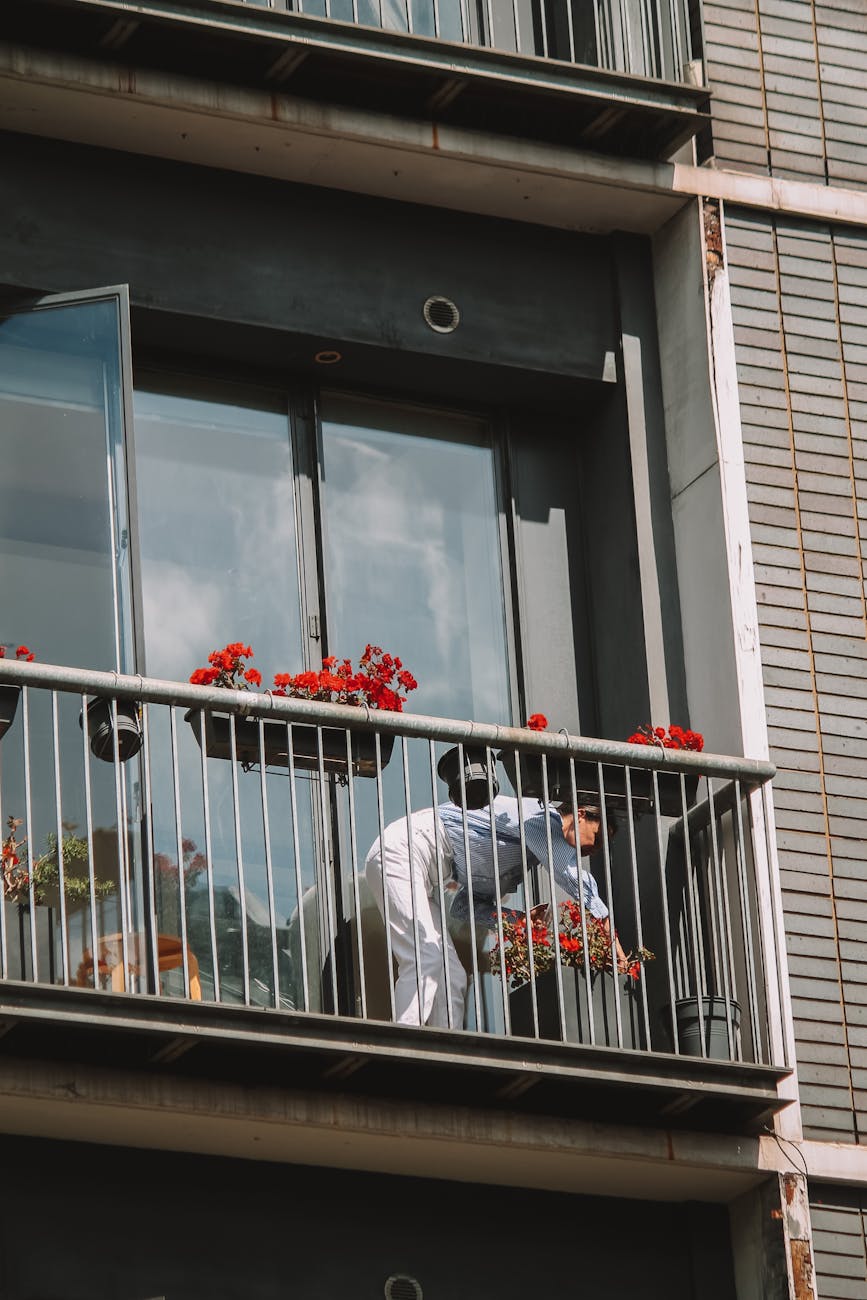
Mastering the Art of Intensive Growing in Micro-Spaces
The desire to cultivate food in an urban setting is powerful. It speaks to a need for connection, freshness, and control over our immediate environment. When space is severely limited—think narrow balconies or shallow windowsills—the standard gardening approaches simply fail. Success here demands a shift in methodology. We must stop thinking about sprawling beds and start thinking about stacking potential. This requires adopting specific high-yield urban gardening techniques. It is not about brute force; it is about maximizing the efficiency of every single square inch.
The Physics of Small-Space Cultivation
Understanding the constraints dictates the strategy. In a confined environment, resource management becomes paramount. Water retention, nutrient delivery, and light exposure are no longer secondary concerns; they become the primary variables determining success or failure. Sunlight intensity changes drastically based on the orientation of the window or balcony, and wind exposure can rapidly desiccate delicate seedlings. Therefore, placement is as important as what you plant.
Light penetration dictates plant physiology. A north-facing windowsill offers diffuse, gentle light, favoring shade-tolerant greens like spinach or mint. A south-facing balcony receives intense, direct sun, ideal for fruiting plants like cherry tomatoes or peppers. You must observe the microclimate you have created. Hot spots develop quickly on exposed surfaces in summer; this demands proactive shading solutions.
Vertical Strategies: Reclaiming the Third Dimension
When horizontal space evaporates, the solution is to grow upward. Vertical gardening is not just an aesthetic choice; it is a necessity for maximizing yield density. This strategy leverages walls and railings that are otherwise dead space.
Implementing Vertical Gardening Wonders
The principles of vertical growth allow you to stack layers of productivity. Think about systems that utilize vertical plane surfaces effectively. Installing tiered shelving or hanging systems transforms a flat surface into a multi-level growing ecosystem. These methods reduce the footprint significantly while increasing the total planting area exponentially. For those looking to integrate living greenery directly onto their structures, exploring Vertical Gardening Wonders: Flower Displays on Tiny Walls offers excellent structural inspiration for creating lush, cascading displays that utilize vertical real estate beautifully.
The mechanism here is simple: by utilizing the wall plane, you bypass the need for floor space entirely. Consider the use of pocket systems or trellis netting. These create a supportive matrix for vines and trailing edibles, allowing plants to grow toward the light with minimal root interference in the constrained area. Proper water management within these vertical setups is also critical; ensure that water drains effectively so that no single plant becomes waterlogged while others suffer dehydration.
Container Selection: The Foundation of Micro-Yields
The vessel itself plays a crucial role in achieving high yields. A poorly chosen container can introduce unnecessary limitations to root health and nutrient uptake. This leads us directly to the necessity of careful material selection when engaging in high-yield urban gardening techniques.
Choosing Containers for Small Urban Gardening Spaces
Material choice impacts thermal regulation profoundly. Terracotta, while aesthetically pleasing, dries out rapidly in intense summer heat, forcing more frequent watering—a logistical burden on a small balcony. Conversely, glazed ceramics or self-watering plastic containers offer superior moisture retention. For maximizing the viability of edibles in these confined settings, material science must inform your decision.
Furthermore, container depth matters significantly for root establishment. Shallow pots restrict deep root systems necessary for robust nutrient absorption and water storage. Deep, narrow containers allow roots to develop into a more extensive network within the limited volume available. Experimentation with different substrate types—using high-quality potting mix enriched with compost rather than dense garden soil—ensures that the limited medium provides optimal aeration and slow, steady nutrient release.
Intensifying Growth: Techniques for Maximum Output
Achieving “high yield” in small spaces is less about quantity of plants and more about intensity of growth per plant. This necessitates moving away from traditional, low-density planting methods toward intensive cultivation strategies.
Maximizing Yield Through Intensive Growing Methods
When space dictates density, you must employ techniques that encourage rapid, vigorous growth. Companion planting becomes essential in these small environments because it manipulates the micro-environment to maximize mutual benefit. Placing certain plants next to others influences light interception and pest deterrence simultaneously. For instance, positioning basil near tomatoes can improve flavor profiles while potentially deterring certain pests naturally.
Staking and trellising are non-negotiable tools when growing vertically or on railings. Allowing plants to sprawl horizontally consumes precious floor space needlessly. By providing rigid support, you force the plant’s energy into vertical biomass accumulation, directly increasing the harvestable yield from that small footprint. This mechanical intervention forces the plant structure to utilize its potential upward growth trajectory efficiently.
Nutrient Delivery and Soil Management
In small systems, the soil volume is finite, meaning nutrient depletion occurs faster than in a large garden bed. Therefore, the focus shifts to consistent, targeted feeding rather than passive replenishment.
Feeding the Urban Ecosystem Effectively
Since containers dry out quickly and nutrients leach rapidly from shallow media, a regular feeding schedule becomes mandatory for high yields. Liquid fertilizers provide immediate access to necessary elements. Monitoring soil moisture is another critical analytical step. Overwatering suffocates roots and encourages fungal issues; underwatering stunts growth immediately. Understanding the water potential of your specific growing medium allows you to modulate irrigation precisely.
The mechanism of nutrient cycling in these small systems must be managed actively. Incorporating slow-release organic matter directly into the potting mix ensures that nutrients are available over time, reducing the need for constant, heavy liquid applications. This approach respects the limited resources of the urban space while pushing the plants toward their maximum photosynthetic capacity. It is an exercise in careful observation and responsive adjustment.
Tags: urban gardening, small space gardening, balcony gardening, windowsill gardening, intensive gardening, container gardening, micro-gardening
Featured Image by Sofía Marquet on Pexels.