
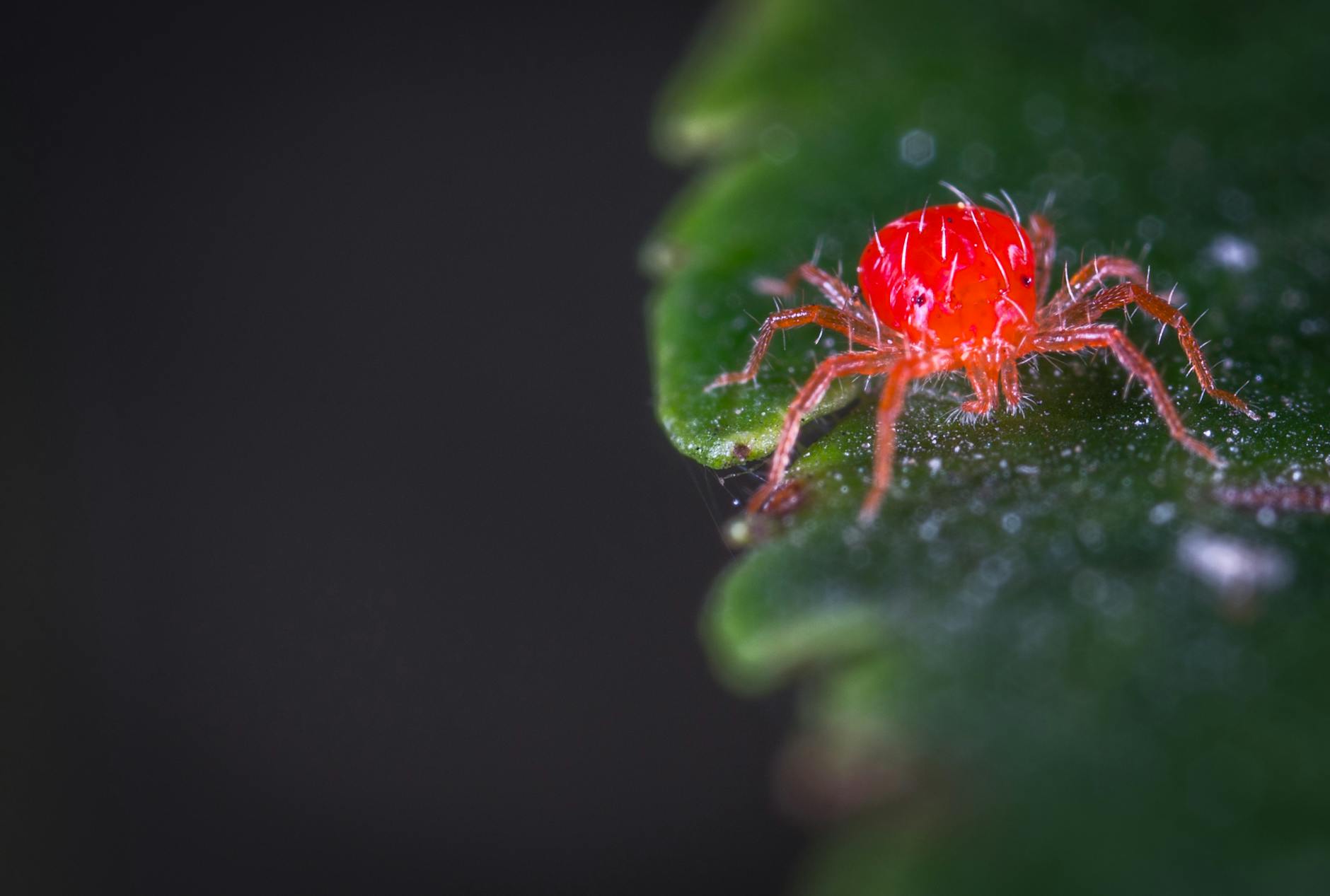
Deciphering the Infestation: A Deep Dive into Indoor Plant Pest Identification
Bringing greenery indoors offers immense satisfaction. Those vibrant leaves bring a sense of calm to our urban spaces. Yet, this sanctuary can quickly become a battleground if pests take hold. Knowing exactly what you are fighting is the first, and often most critical, step in saving your beloved houseplants. Not all tiny invaders look alike. Distinguishing between common indoor plant threats—specifically aphids and spider mites—is essential because their life cycles, damage patterns, and appropriate treatments diverge significantly. Misidentification leads to ineffective pest control, allowing the infestation to worsen silently beneath the surface of your thriving urban garden setup.
Understanding the Enemy: Aphids vs. Spider Mites
When you observe signs of distress on a leaf or stem, careful, close inspection is required. Aphids and spider mites are both notorious indoor plant pests, but they operate using fundamentally different biological strategies. Understanding these differences dictates how you manage the infestation effectively.
The Anatomy of an Aphid Infestation
Aphids are soft-bodied insects, typically small, pear-shaped creatures that cluster together on new growth or the undersides of leaves. They feed by piercing plant cells and sucking out the contents, which often results in the plant exhibiting classic symptoms: curled, stunted, or discolored new growth.
The mechanism of damage is direct nutrient depletion. As aphids feed, they excrete a sticky substance called honeydew on the plant surface. This honeydew attracts secondary pests, like sooty mold, which further compromises the plant’s aesthetic and health. If you see tiny, often green, or sometimes black, pinpricks clustered together, you are likely dealing with aphids. Their presence signals an active feeding frenzy demanding immediate attention.
The Subtle Threat of Spider Mites
Spider mites present a far more insidious threat. These are arachnids—eight-legged creatures—that are often microscopic under magnification. Unlike aphids, which feed by sucking sap, spider mites feed by piercing the plant’s cell walls, extracting moisture and cellular contents. This causes the plant tissues to become extremely dry, brittle, and speckled with fine, silvery or yellowish webbing, particularly visible between the leaf undersides or along stems.
The key differentiator lies in the physical evidence left behind. A heavy infestation of spider mites results in a characteristic, fine, silky web that spans the foliage. The damage is often less about direct sap consumption and more about causing dehydration stress across the plant structure. Recognizing this subtle webbing is crucial for accurate indoor plant pest identification.
Symptom Analysis: Spotting the Tell-Tale Signs
Accurate diagnosis hinges on observing the specific physical manifestations of the infestation. Experience teaches us that visual cues are paramount when managing these small invaders in a confined urban environment.
Visualizing Aphid Damage
Aphids leave behind visible evidence of their feeding habits. Look for clusters of insects, often accompanied by a sticky residue on the leaves. New growth will appear stunted or misshapen because the aphids siphon off the energy needed for proper development. If you notice a soft, sugary film coating the plant surfaces, that is honeydew—a clear indicator that aphid activity is ongoing and requires intervention before it escalates into a serious problem.
Detecting Spider Mite Webbing
Spider mite damage presents a different profile. While individual mites are nearly invisible to the naked eye, their collective presence creates a noticeable web. This webbing acts as a physical tether for the mites and also traps dust and debris. Inspect the underside of leaves with a magnifying glass if necessary. Fine, silvery or whitish webbing draped across the foliage is the signature sign that spider mites are active. The leaves themselves may appear speckled or bleached, a result of cellular damage from dehydration stress caused by the mites’ feeding.
Targeted Treatment Strategies for Urban Gardeners
Once you have accurately identified the pest, the treatment strategy must align with the pest’s biology. Applying broad-spectrum treatments indiscriminately can harm beneficial insects and your indoor plants just as much as the pests themselves. Focus on targeted, effective methods suited for small spaces like balconies and windowsills.
Managing Aphids Effectively
For aphid control, physical removal and targeted application of mild solutions work best in an urban setting. A strong, direct spray of water can physically dislodge large clusters of aphids. For persistent issues, insecticidal soap is highly effective. This soap works by disrupting the waxy outer layer of the aphid’s cuticle, causing them to dehydrate and die. Ensure you thoroughly coat all affected areas, especially the undersides of leaves where they often hide.
Eradicating Spider Mites
Spider mite control requires a slightly different approach because they thrive in dry conditions and their webbing makes direct contact sprays less effective for killing the mites themselves. High humidity levels can help mitigate their spread, though this must be balanced with avoiding fungal issues. Treatment should focus on suffocating the mites. A thorough, gentle spray of water can knock them off. For persistent infestations, horticultural oils or neem oil solutions are excellent choices. These smother the mites and disrupt their feeding cycles without causing severe long-term harm to the plant tissue, which is important when cultivating delicate plants in microspaces.
Creating a Pest-Resistant Indoor Ecosystem
Managing pests successfully involves establishing preventative habits that create an environment less hospitable to invaders. This proactive approach supports the health of your small urban garden setup.
Optimizing Airflow and Humidity
Stagnant, overly humid air is a breeding ground for many indoor pests. Ensuring good air circulation around your plants helps prevent fungal issues and discourages pest proliferation. When utilizing vertical gardening hacks for tiny urban walls or railings, maximizing airflow becomes even more important to keep the microclimate balanced. Monitor humidity levels; high humidity can encourage mold but moderate moisture stress often deters mite populations.
Monitoring and Early Intervention
The best defense is early detection. Make a routine of inspecting your plants daily, paying close attention to new growth and leaf undersides. Catching an aphid cluster or a few initial spider mite webs allows you to intervene before the problem becomes systemic. Remember that in small spaces, a few early actions prevent a major overhaul later.
Integrating Pests into Your Urban Gardening Philosophy
Viewing these interactions not as pure problems but as elements within your larger urban gardening philosophy shifts the perspective. Every garden ecosystem has dynamics, and pests are simply an indicator of where balance is currently shifting. This understanding informs how we cultivate our spaces.
When you manage aphids or spider mites successfully, you reinforce a healthy plant-pest relationship. You learn to observe the subtle language of your plants and respond with precision. This analytical approach applies equally to maximizing space on balconies and windowsills; success comes from understanding the micro-environment you create. By mastering indoor plant pest identification, you gain the authority to cultivate vibrant, healthy indoor gardens year after year.
Tags: plant pests, aphids, spider mites, indoor gardening, pest control, urban gardening, plant care
Featured Image by Egor Kamelev on Pexels.