Container Gardening for Apartments: Choosing Pots & Soil
Moving beyond the windowsill is where the real magic of container gardening apartment life begins. It’s not just about placing a few pots on a balcony; it’s about understanding the mechanics of root health, water retention, and nutrient delivery within a confined space. Success in urban container gardening hinges entirely on selecting the right vessels and the correct growing medium. Treat your pots and soil not as mere containers, but as dynamic systems you need to optimize for plant survival and vigorous growth.
Selecting the Right Vessel: Pot Materials Matter
The material you choose for your pots dictates how water is held, how nutrients are released, and crucially, how the roots breathe. This choice directly impacts the longevity of your plants in an apartment setting where environmental fluctuations can be significant.
Terracotta vs. Plastic vs. Ceramic
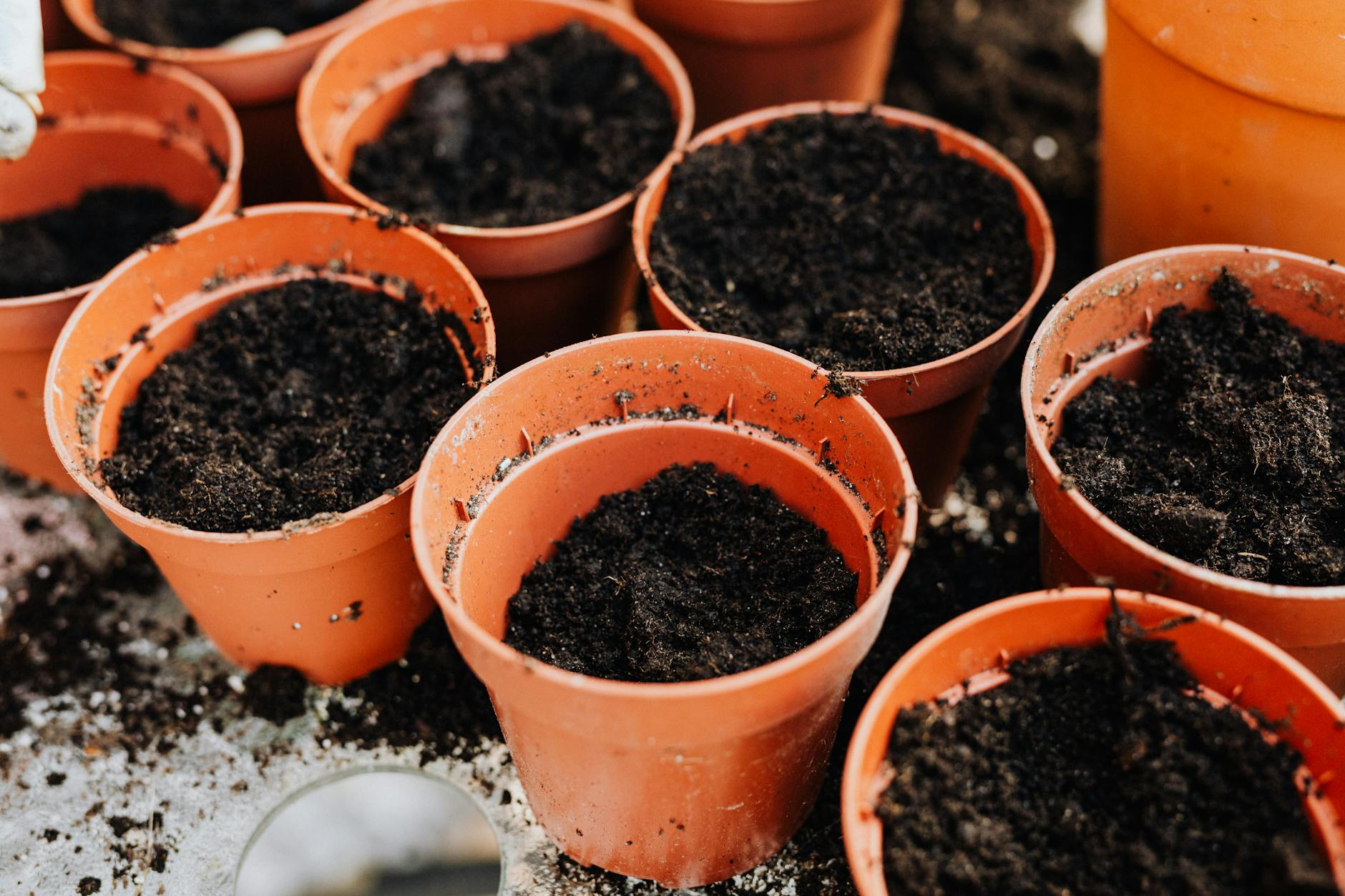
Terracotta is popular for its aesthetic appeal and porous nature. It allows the soil to wick excess moisture away through evaporation. This breathability can be a double-edged sword. While it prevents root rot better than impermeable plastics, in very hot, dry apartment environments, terracotta pots can dry out far too quickly, demanding more frequent watering from you.
Plastic, on the other hand, offers superior water retention. Water stays in the pot longer, which is beneficial during dry spells, but this increased moisture can also lead to stagnant conditions if drainage isn’t managed perfectly. Ceramic presents a middle ground; it balances aesthetic appeal with reasonable breathability. Look for glazed ceramics that offer good structural integrity while still allowing some air exchange at the base of the soil mass.
When evaluating materials, think about thermal properties. In apartments, direct sunlight through windows can rapidly heat up pots, stressing roots. Materials that manage temperature fluctuations effectively contribute to a more stable environment for sensitive indoor plants.
Drainage Systems: The Non-Negotiable Factor
No matter how beautiful your pot material is, the most critical functional aspect is drainage. If water cannot escape, you create an anaerobic environment where roots suffocate and decay. Always ensure every container possesses adequate drainage holes. If you are working with larger balcony setups, understanding proper containment becomes vital. For smaller balcony arrangements, considering options like Choosing the Best Window Box for Small Balconies can guide your overall planning before selecting specific pot sizes.
Understanding Soil Composition: The Foundation of Growth
The soil you use is not just dirt; it is the entire ecosystem that feeds your container plants. Garden potting mix is fundamentally different from traditional garden soil because it needs to prioritize aeration, water retention, and nutrient supply simultaneously. Mixing standard garden soil directly into containers creates compaction issues that severely restrict root expansion.
The Role of Aeration and Structure
The primary function of good potting soil is creating a structure that supports roots while allowing air pockets to circulate throughout the root zone. Dense, heavy soil suffocates roots, preventing them from absorbing necessary oxygen. A quality mix incorporates materials designed to create this airy matrix. Peat moss or coco coir serve as excellent base components because they hold moisture without becoming waterlogged, acting like a sponge for irrigation.
Balancing Organic Matter and Mineral Content
Organic matter, derived from decomposed plant material, provides the slow-release nutrients essential for sustained growth. When selecting your soil blend, look for compost or worm castings mixed in. These additions supply the microorganisms that cycle nutrients, feeding your plants steadily over time rather than relying solely on a single feeding. Minerals provide the necessary micronutrients for chlorophyll production and overall plant vitality. Avoid using heavy, dense topsoil; it compacts easily and impedes proper drainage, which is fatal to container life.
Customizing Your Mix Based on Plant Needs
Different plants have vastly different requirements regarding water retention and aeration. Succulents and cacti demand an extremely fast-draining, gritty mix—think high amounts of perlite or coarse sand mixed with potting material. Conversely, moisture-loving plants like ferns or tropical foliage thrive in a mix that retains more moisture, perhaps incorporating more coco coir or peat alternatives. Observing how quickly your specific plant type dries out will inform the adjustments you need to make to your soil recipe.
Optimizing Container Gardening Mechanics
Once you have the right pot and the right soil, the way you manage the container environment determines success. Apartment gardening requires close observation because the microclimate within a pot is often more extreme than the ambient room air.
Watering Techniques for Container Health
Overwatering remains the single greatest threat to indoor container plants. Because pots are smaller and soils can become waterlogged faster, consistent monitoring is essential. Stick your finger two inches deep into the soil regularly. If it feels damp, wait. Allow the top layer of soil to dry down before initiating another watering cycle. Water deeply when you do water, ensuring moisture penetrates the entire root ball, rather than just saturating the surface.
Managing Light Exposure and Temperature Gradients
Apartment light can be intense near a window or dim in a corner. Understanding where your containers sit relative to the light source is crucial for planning. East-facing windows offer gentle morning light; south-facing windows provide strong midday sun. If you notice leaves looking bleached or stretched toward a single light source, repositioning the pots seasonally might be necessary. Furthermore, proximity to heat sources like radiators or drafty windows can cause rapid temperature swings that stress plants already struggling with limited space.
Feeding Your Urban Garden
Since you are providing all the nutrients for your container plants, feeding becomes a matter of replenishment. Because watering naturally leaches some soluble minerals out over time, regular feeding is necessary. Use a balanced, water-soluble fertilizer formulated for houseplants or edibles. Apply fertilizer according to package directions, typically diluting it slightly when starting out with new potting mixes. The key here is consistency; providing these nutrients regularly helps the plant sustain its energy reserves needed to manage the stress of confined living.
Container gardening in an apartment setting demands this level of analytical attention. By treating the pot material and the soil mix as integral components—rather than just passive holding vessels—you establish a robust system. This focused approach transforms a simple hobby into a predictable, thriving urban ecosystem right inside your home.
Tags: container gardening, apartment gardening, potting mix, indoor gardening, balcony gardening, container pots, urban gardening
Featured Image by www.kaboompics.com on Pexels.