
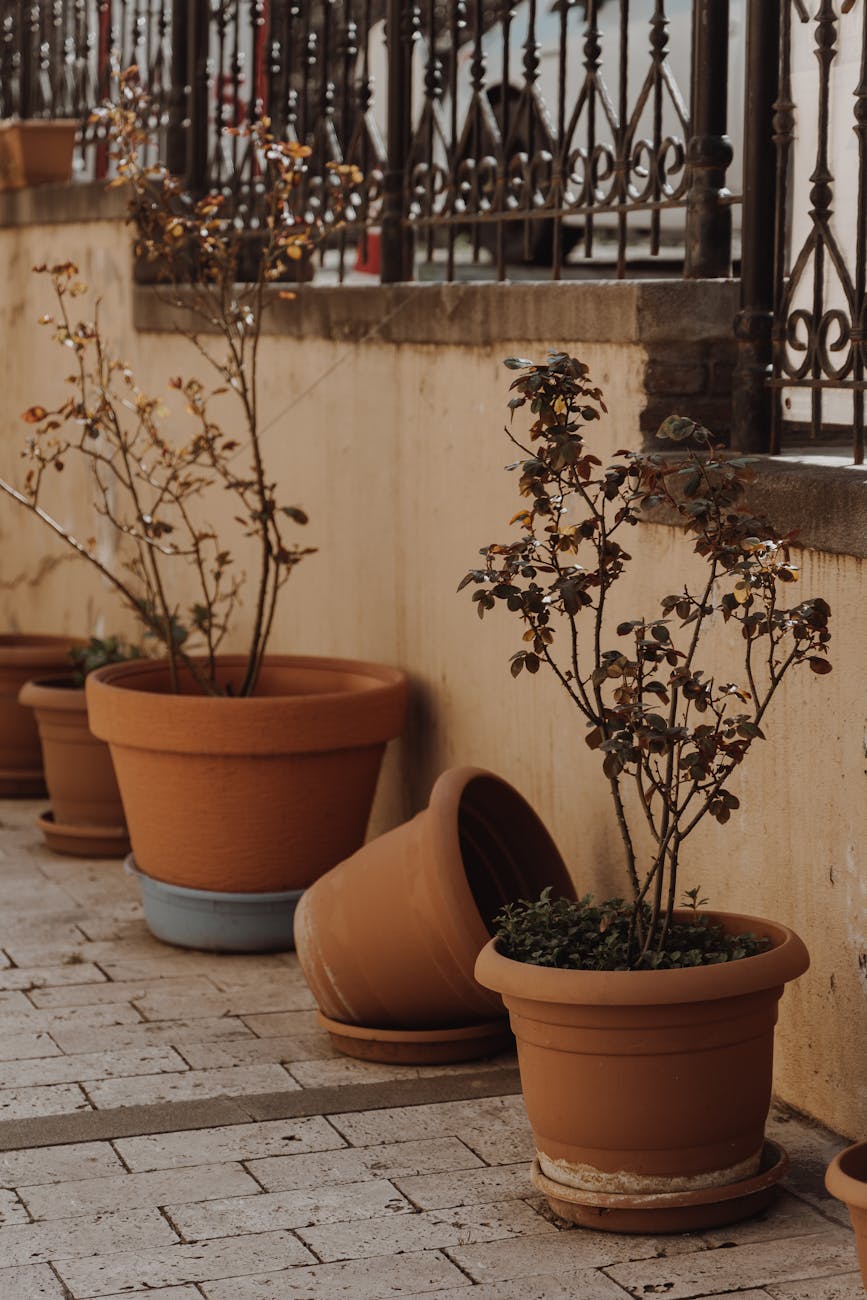
Understanding the Impact of Container Pot Materials on Root Health
When starting any urban garden, the container you choose is far more than just a vessel for soil. It becomes an active component in the plant’s entire life cycle. The choice of container gardening pots materials dictates how water moves through the system, how air reaches the roots, and ultimately, how resilient your plants will be in the often-stressful urban environment. We are not just digging holes; we are engineering a micro-ecosystem for our plants.
The material itself dictates several critical physical properties: porosity, thermal mass, and moisture regulation. These differences have profound implications for root respiration and nutrient uptake. A poorly chosen pot can create a bottleneck where water pools unnecessarily or roots suffocate due to overly dense substrate. Observing these material dynamics is the first step toward truly successful container gardening.
Terracotta: The Breathable Choice with Caveats
Terracotta, fired clay, is perhaps the most traditional choice for many gardeners. Its beauty lies in its porous nature. This porosity allows water to evaporate through the walls of the pot, facilitating moisture exchange between the soil and the atmosphere. This process, while seemingly simple, is crucial for preventing waterlogging.
However, this breathability comes with a trade-off. Terracotta pots wick moisture away from the soil relatively quickly. In hot, dry urban settings, this rapid drainage can necessitate more frequent watering. Furthermore, if the potting mix dries out too quickly, the roots experience repeated cycles of wetting and drying. This fluctuation stresses the root hairs, making them less efficient at absorbing water and nutrients consistently. For optimal results with terracotta, gardeners must compensate by ensuring the soil mix is exceptionally rich in organic matter to act as a moisture buffer.
Plastic: Durability Meets Water Retention
Plastic containers offer unparalleled durability and are often favored for their lightweight nature. The primary advantage here is superior water retention compared to porous materials like terracotta. This means that the potting medium stays consistently moist for longer periods. For plants that demand consistent hydration, this characteristic can be beneficial in fluctuating urban conditions.
The mechanism at play is surface tension and material density. Plastic resists the rapid evaporative loss seen with porous ceramics. Yet, it introduces a different problem: reduced aeration. If the potting mix used inside plastic containers is too dense or poorly structured, the lack of air pockets can lead to anaerobic conditions right around the root zone. Roots require oxygen for respiration; suffocated roots cannot process energy effectively, leading to stunted growth regardless of how much water is present. Therefore, pairing plastic pots with highly aerated, chunky potting mixes is non-negotiable.
Ceramic: The Balance of Aesthetics and Function
Ceramic pots occupy a middle ground between the two extremes. They offer a pleasing aesthetic while retaining some degree of breathability due to their ceramic composition. Their thermal mass is also significant; they absorb and release heat slowly. In areas with intense midday sun, this slower thermal exchange can create a more stable microclimate around the roots compared to materials that rapidly oscillate in temperature.
The critical factor with ceramics lies in the glaze and the thickness of the material. Thicker walls offer better insulation against extreme temperatures, which benefits root stability during heatwaves. Thin-walled, highly glazed ceramics, while attractive, can sometimes trap excess moisture near the pot base if drainage is inadequate. Always ensure that any ceramic container has adequate drainage holes to prevent stagnant water accumulation, which is a fast track to root rot.
Wood and Composite Materials: The Organic Approach
Using natural materials like untreated wood or composite materials introduces an entirely different dynamic. These materials allow the soil to “breathe” in a very organic sense. Wood provides a natural interface for microbial activity within the potting medium, fostering beneficial soil biology. However, these materials introduce vulnerability. Untreated wood can degrade over time if exposed constantly to moisture fluctuations or harsh UV light.
Composite materials are engineered solutions, often offering excellent structural integrity while maintaining good drainage properties. They bridge the gap between the natural feel of wood and the functional needs of modern gardening. The texture of these materials also influences root interaction; rougher surfaces might encourage a different type of root development than smooth ceramic.
Optimizing Root Environment: Beyond the Pot Material
Selecting the right pot material is only half the battle. The true secret to thriving container plants lies in managing the environment within that container, focusing intensely on soil structure and substrate selection. The physical properties of the pot interact directly with the substrate composition.
Substrate Structure: Airflow and Water Management
Regardless of whether you select terracotta or plastic, the potting medium must prioritize aeration. Roots need access to oxygen as much as they need water. Dense, heavy mixes restrict this vital gaseous exchange. Think of the soil not just as a medium for holding water, but as a sponge that must also allow air to move freely through it.
Achieving this balance requires incorporating amendments that create essential air pockets. Incorporating materials like perlite or coarse sand into your potting mix increases porosity significantly. This structural change allows water to infiltrate the entire volume of the soil, rather than sitting only on the surface, and ensures that oxygen diffuses deep into the root mass. When dealing with tight spaces, such as in narrow window boxes, this focus on substrate architecture becomes even more pronounced. Understanding how soil interacts with the container walls is key to preventing root asphyxiation.
Water Retention vs. Drainage Dynamics
The tension between retaining water and ensuring proper drainage is the core challenge in container gardening. A pot made of a material that retains moisture easily—like thick plastic—requires an equally effective substrate to manage excess water. If you use a heavy, clay-like mix in such a container, you invite stagnation.
Conversely, a highly porous pot like terracotta requires a substrate designed to wick moisture effectively yet still hold enough reserves for the plant’s needs. This necessitates using organic matter heavily—compost, aged bark, and peat alternatives—to create a sponge-like structure that balances these opposing forces. The goal is not just to keep the soil wet or dry, but to maintain an optimal matric potential around the roots.
Nutrient Availability and Material Interaction
The way water moves through the pot material directly influences nutrient delivery. In systems where drainage is sluggish (perhaps due to a less permeable material), nutrients can become unevenly distributed. Roots that are constantly battling water saturation cannot efficiently absorb dissolved mineral salts because the necessary exchange mechanisms are disrupted.
When you select your container gardening pots materials, you are selecting the physical constraints of the system. This choice impacts how effectively you can implement soil amendments. For instance, if you plan to use natural amendments, like those designed for balancing urban soil pH, ensuring that the substrate itself is well-draining and aerated allows those amendments to penetrate and work effectively throughout the entire root zone. A compacted, waterlogged medium will resist nutrient uptake, regardless of how perfectly balanced your fertilizer is.
Practical Application: Choosing for Specific Urban Spaces
The optimal choice among these materials depends entirely on the specific urban space you are working with—be it a large patio planter or a narrow balcony window box. Context dictates material selection.
Narrow Spaces and Window Boxes
When dealing with limited horizontal space, such as in a narrow window box setup, vertical constraints become amplified. Here, minimizing the overall volume occupied by the growing medium is essential. While a small plastic pot offers simplicity, the risk of root restriction increases if the substrate is poorly managed. In these constrained environments, lightweight yet highly porous materials are often superior because they allow for maximum root freedom within minimal spatial allowance. Focusing on maximizing yields in narrow window boxes requires prioritizing aeration above all else.
Balconies and Patio Planters
For larger balcony or patio settings, the considerations shift toward long-term material durability and aesthetic integration. Ceramic and durable composite materials become more appealing here, offering a sense of permanence. In these scenarios, the focus remains on ensuring excellent drainage infrastructure—meaning impeccable drainage holes and a substrate blend that can handle seasonal water variations without becoming saturated or desiccated. The slower thermal properties of ceramic are also an asset when plants are exposed to intense summer sun.
Long-Term Sustainability
Ultimately, the most successful urban gardeners look beyond the immediate aesthetic appeal of the pot material toward long-term sustainability. A pot that breaks down, degrades, or requires constant replacement introduces unnecessary waste into the urban cycle. Evaluating materials based on their longevity and their compatibility with sustainable soil practices ensures that your gardening efforts create a healthy, self-sustaining system for years to come. Choosing wisely about your container gardening pots materials is choosing a partnership with your plants.
Tags: container gardening, pot materials, urban gardening, plant health, terracotta pots, plastic pots, ceramic pots
Featured Image by ROMAN ODINTSOV on Pexels.