
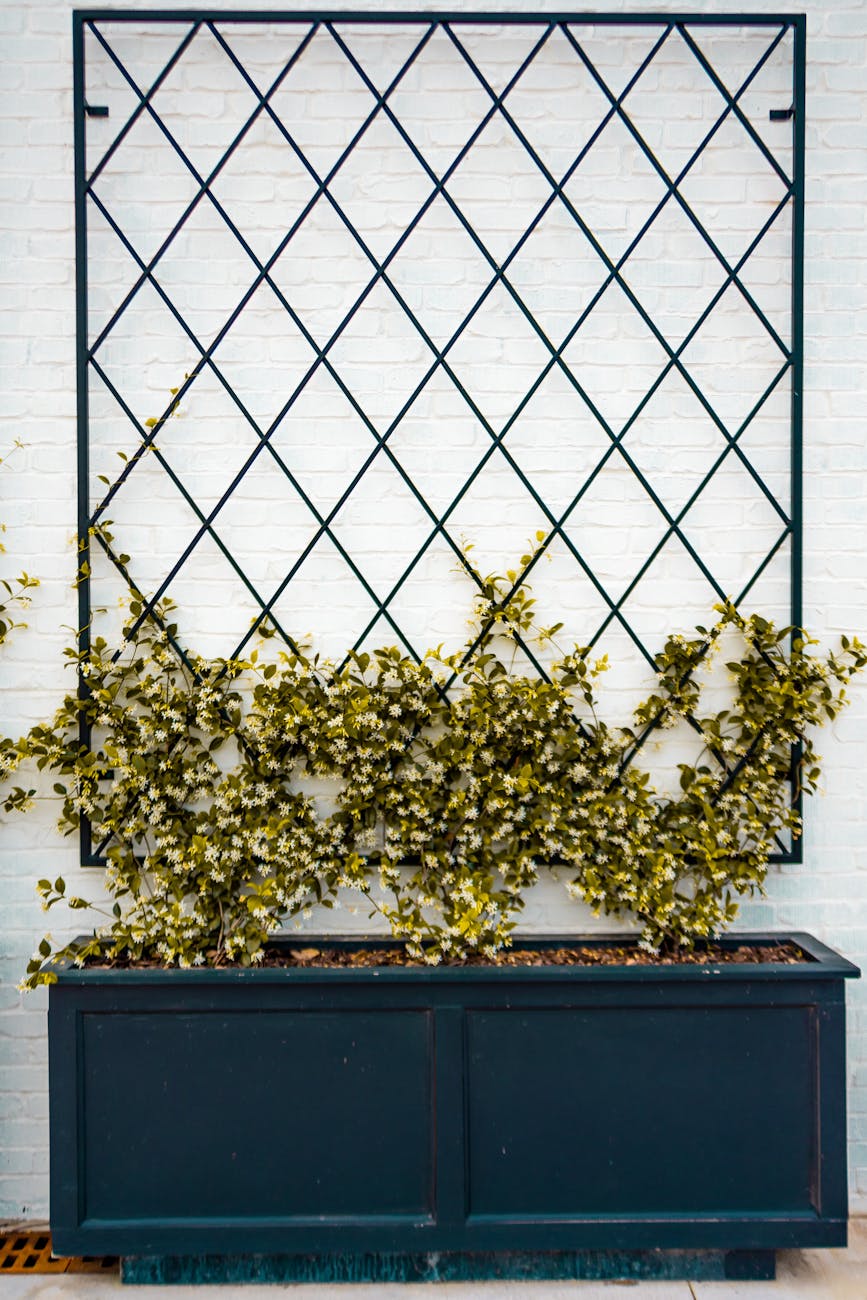
Engineering Vertical Growth: Maximizing Yield in Constrained Urban Footprints
The reality of small urban living demands a fundamental shift in how we perceive available real estate for cultivation. When ground space is severely limited, the strategy pivots to vertical expansion. We observe that traditional horizontal gardening methods become inefficient when dealing with balcony constraints or narrow city yards; thus, implementing vertical gardening urban systems becomes a necessary engineering solution rather than merely a horticultural preference. This approach fundamentally alters the geometry of plant growth, redirecting biomass upward to utilize airspace efficiently.
We are not simply stacking pots; we are designing load-bearing, self-supporting structures capable of sustaining the weight of saturated growing media and mature plant systems. This requires an understanding of material science applied to horticulture. The structural integrity of a living wall or trellis depends entirely on selecting materials that manage moisture retention while providing sufficient tensile strength against gravitational forces.
Structural Mechanics of Living Walls
A successful vertical system operates by managing water flow, root aeration, and substrate retention across multiple planes simultaneously. Consider the mechanics of a simple vertical planter system. The primary challenge is ensuring that the medium remains evenly hydrated across all tiers, preventing saturation in the lower layers while ensuring adequate oxygen exchange for roots positioned higher up. Our analysis suggests that systems employing modular, interlocking designs offer superior control over these parameters compared to monolithic, single-plane structures.
Trellises, which often serve as the skeletal framework for climbing plants, introduce a different set of mechanical considerations. The material must resist creep under sustained load; if the support structure flexes excessively, the entire growing matrix suffers compromised root stability and potential physical damage to the plants themselves. We look at materials like treated lumber, recycled metal mesh, or even specialized polymer composites to assess their long-term performance in fluctuating urban microclimates.
Implementing DIY Living Walls Effectively
The accessibility of DIY solutions means we must translate theoretical structural knowledge into practical, scalable building techniques suitable for small spaces. A living wall is more than just a decorative facade; it functions as an integrated ecological system. We need to account for the weight of the substrate, the weight of the plant biomass, and the hydrostatic pressure exerted by water retention within the growing medium.
When designing these systems, the choice of mounting method dictates longevity. Anchor points must penetrate structural elements capable of bearing the anticipated load without compromising the building envelope. For balconies, this often means utilizing specialized, high-tensile hanging systems or custom-fabricated shelving units that distribute stress evenly across the balcony floor structure. We find that simple hanging planters are often insufficient for dense foliage and require a more robust anchoring strategy to prevent catastrophic failure during periods of heavy rain or wind.
Trellising Systems: Guiding Climbers for Optimal Exposure
Trellises offer a different mechanism for vertical growth, focusing on directional guidance rather than sheer wall coverage. They exploit the inherent climbing nature of many desirable edibles and ornamentals, channeling energy into vertical stems. The geometry of the trellis dictates the plant’s architecture. A simple grid provides adequate support for vining plants like peas or beans. However, denser, more complex patterns allow for greater root penetration depth and overall canopy volume.
We observe that the spacing between supports directly influences the light interception profile. Plants growing too closely together experience intense competition for photons and often develop leggy stems as they reach aggressively toward the light source. Conversely, providing adequate lateral space allows stems to develop stronger structural support and distribute their photosynthetic demands more evenly across the available surface area. When planning a trellis, we must calculate the required spacing based on the mature width of the desired plant variety; ignoring this calculation leads to suboptimal yield outcomes.
Substrate Management and Yield Maximization
The growing medium itself is a critical component in any vertical system because it controls nutrient delivery, moisture regulation, and root health. In confined spaces, water drainage becomes an immediate concern; stagnant water promotes fungal growth and suffocates roots rapidly. Therefore, the substrate must possess high porosity while retaining sufficient moisture to sustain transpiration rates throughout the day.
We see a clear correlation between substrate quality and overall plant vigor. Using standard, dense potting soil often results in poor aeration when layered vertically. We advocate for mixtures incorporating materials like perlite, expanded clay, or coarse sand to increase the interstitial air volume necessary for healthy root respiration. This process directly impacts how efficiently plants can assimilate nutrients; maximizing yield relies on optimizing the rhizosphere environment. For those focusing on container density, understanding Advanced Container Gardening Yield Maximization Techniques reveals that substrate aeration is a non-negotiable variable.
Selecting Appropriate Plant Material for Vertical Environments
Not all plants thrive equally well under the stresses inherent in vertical cultivation. Exposure to intense direct midday sun necessitates selecting species tolerant of higher light intensity and drier surface conditions than those growing in shaded, humid environments. We must align plant selection with environmental constraints. For instance, if a system receives strong afternoon sun, choosing shade-tolerant varieties might result in etiolation—stretching toward the light in an attempt to find optimal exposure—rather than robust, compact growth.
When planning vertical arrangements on balconies or in urban pockets, assessing solar path is paramount. We look at how the orientation of the structure interacts with the sun angle throughout the day. This informs decisions about plant selection; for areas receiving less intense light, selecting shade-tolerant species allows us to successfully integrate more diverse foliage, perhaps incorporating plants suited for Balcony Bloom Secrets: Flowers for Shady Exposed Urban Spaces.
Integrating Systems for Comprehensive Urban Ecology
The most successful urban gardening strategies involve integrating structural support with optimized growing techniques. A living wall provides the backdrop and the continuous surface area; the trellis defines the growth trajectory for climbing elements; and the substrate management ensures physiological success. These components must function as a unified, interdependent system rather than separate, isolated projects.
We analyze the process of resource allocation across these interconnected layers. Water delivered to the top layer must be managed so it does not excessively saturate the lower layers, which requires careful consideration of drip or irrigation placement within the vertical structure itself. This level of systemic thinking moves the endeavor from simple planting to applied ecological design. The resulting environment supports greater biomass production per square foot than traditional methods allow. Vertical gardening urban is thus an exercise in applied physics and biological response working in tandem.
Tags: vertical gardening, urban gardening, living walls, trellis systems, small space gardening, DIY gardening, city gardening
Featured Image by Caleb Oquendo on Pexels.