
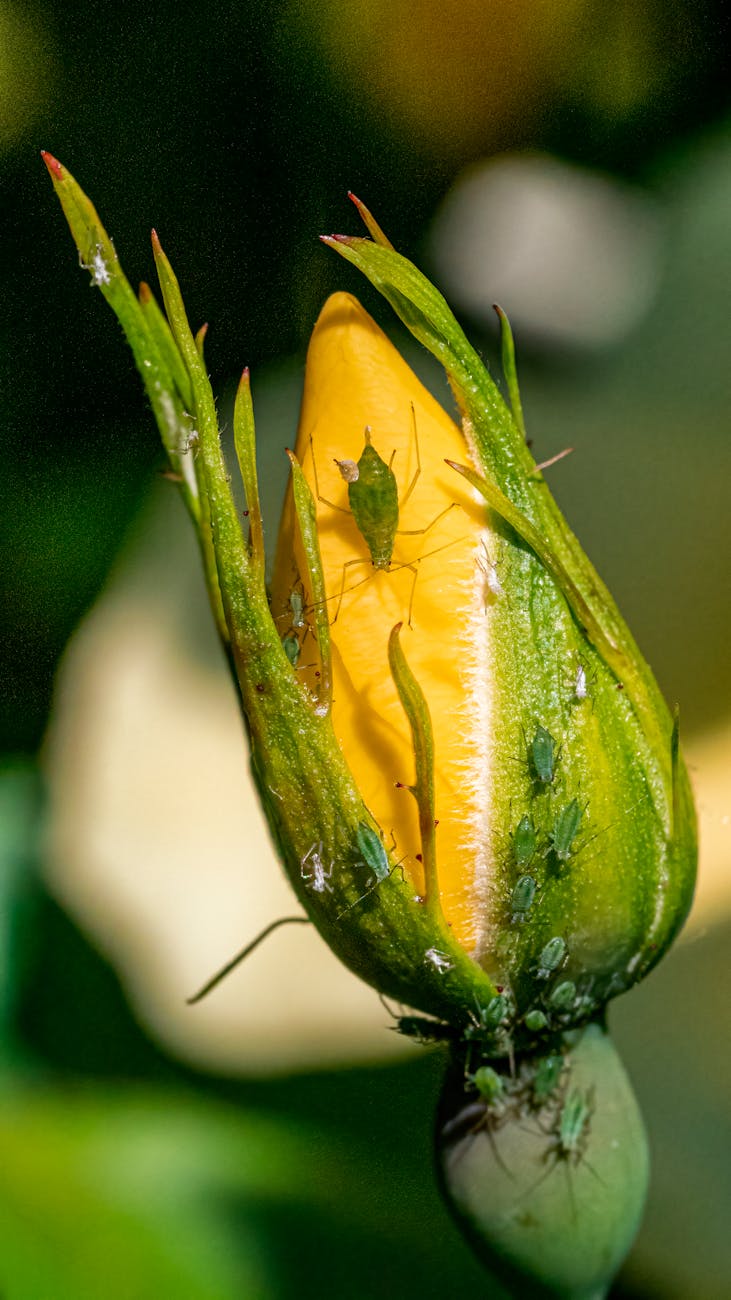
Understanding Aphid Infestation Dynamics in Small Urban Settings
When cultivating vegetables in confined spaces like balconies, the interaction between plant health and pest presence becomes immediate and critical. Aphids, those tiny, soft-bodied insects, represent a significant biological stressor in these small urban gardens. We observe that their proliferation is not merely an aesthetic nuisance; it directly impacts the photosynthetic efficiency of the host plants by feeding on sap, which depletes the plant’s stored energy reserves necessary for robust growth and flowering. Understanding the lifecycle and dispersal patterns of these pests forms the initial step toward effective intervention.
The infestation severity correlates strongly with environmental variables present in the urban environment. High humidity levels, often found on balconies, create an optimal microclimate for aphid reproduction. Furthermore, dense foliage traps moisture, further accelerating pest colonization rates. This synergy between high moisture and plant density means that a small initial presence can rapidly escalate into a systemic infestation if management strategies are delayed. We must analyze the system dynamics: how environmental factors influence pest population growth, which in turn dictates the necessary level of intervention.
Identification and Early Detection Protocols
Accurate diagnosis is paramount before initiating any treatment protocol for aphid control small urban garden. Misidentifying pests can lead to ineffective applications or unnecessary chemical use, impacting the delicate balance we aim to maintain in organic settings. We need a systematic approach to monitoring plant health daily.
We look for specific visual indicators on the foliage. Aphids often congregate in clusters, particularly on the undersides of leaves and along new growth tips. Observe the symptoms: stunted growth, curled or distorted leaves, and an overall dulling of the plant’s vibrant color are direct physiological responses to sap-feeding damage. Some aphids excrete sticky, sugary waste called honeydew; this byproduct is a key indicator of heavy feeding activity. If you see a film of sticky residue coating the leaves, it signals an active infestation demanding attention.
Our analysis suggests that early detection maximizes the efficacy of simple treatments. Waiting until populations reach critical densities often necessitates stronger interventions later on. Regular, close inspection allows us to catch the infestation when control measures are least disruptive to the overall ecosystem.
Non-Chemical Strategies for Aphid Management
For small urban gardens, reliance on synthetic pesticides introduces risks to beneficial insects and soil microbiology. Therefore, we prioritize biological and physical methods for effective aphid control small urban garden. These strategies work by disrupting the aphid life cycle or physically removing the pests without broad-spectrum toxicity.
The first line of defense involves physical removal. A strong, focused stream of water can dislodge stationary or slowly moving aphids from the plant surfaces. This mechanical action is immediately effective for light infestations. We observe that this method requires consistency; repeated applications may be necessary if the population remains high. For larger accumulations, gentle manual removal using a cotton swab dipped in alcohol can provide targeted control on localized spots.
Introducing natural predators forms another powerful management strategy. Beneficial insects, such as ladybugs and lacewings, naturally prey upon soft-bodied pests like aphids. Cultivating habitats that support these beneficial organisms is essential for long-term ecological stability. This links directly to understanding the wider ecosystem of your balcony space. We see a correlation between biodiversity and pest suppression rates in controlled environments.
Implementing Organic Treatments Effectively
When physical removal alone proves insufficient, we move to targeted organic treatments. The selection of treatment agents must consider their specificity and safety for the surrounding environment. Neem oil stands out as a widely utilized, effective option because it acts as a repellent and disrupts the feeding and reproductive cycles of many insect pests. When applying neem oil solutions, researchers emphasize the importance of following dilution ratios precisely; over-concentration can cause phytotoxicity to the plant tissues themselves.
Insecticidal soaps offer another mechanism of action, working by dissolving the waxy coating on the aphid’s exoskeleton, causing desiccation. This physical disruption leads to the death of the pest without long-term systemic toxicity concerns for the plant tissue itself. Applying these solutions should be done during cooler parts of the day, minimizing direct solar exposure and maximizing the efficacy of the treatment before pests resume feeding patterns.
We must consider how these treatments integrate with other gardening practices. For instance, maintaining soil health directly influences a plant’s ability to resist stress, which indirectly supports its defense mechanisms against pests. Thinking about the entire system means considering inputs like nutrient availability alongside pest management. Examining techniques for maximizing yield in container settings provides context for how much stress the plants can absorb while still producing desirable results.
Integrating Pest Control with Container Gardening Goals
Managing aphids within a small urban garden requires integrating pest control into the broader strategy of container gardening. Plants grown in containers experience different environmental stresses than those in the ground, which means their susceptibility to pests can shift based on container size and substrate composition. We observe that plants in containers often have more exposed surface area relative to their root mass, potentially making them more vulnerable if infestation occurs.
When planning for yield maximization, understanding pest pressure is crucial input data. High aphid levels translate directly into reduced biomass accumulation because the plant allocates energy toward defense rather than fruit or leaf development. We see that proactive management prevents this energy diversion. Furthermore, selecting appropriate growing media supports a resilient plant structure capable of withstanding minor pest pressures without catastrophic failure.
Consider how your chosen cultivation method interacts with other systems you employ. For example, if you are utilizing a closed-loop system like an Urban Worm Farm for Vermicomposting for Balconies, the health and vitality of the compost can indirectly support plant resistance to pests. A healthy soil environment supports robust plant defenses against external threats. This holistic view demonstrates that pest control is not an isolated event but part of maintaining a thriving micro-ecosystem.
Long-Term Prevention Strategies
Sustaining aphid control small urban garden success relies heavily on preventative measures built into the gardening routine rather than reactive crisis management. Establishing a healthy, balanced environment naturally discourages severe infestations from taking hold in the first place.
Ensuring proper plant spacing allows for adequate air circulation around the foliage, which mitigates humidity buildup and reduces the conditions favorable for aphid breeding. Monitoring the overall health of the container plants provides an early warning system for potential stress, whether pest-related or nutrient-related. When plants are vigorously growing and well-nourished, their internal defenses are optimized, making them inherently more resistant to moderate pest pressures.
We find that consistent, mindful attention yields the best results over time. By continuously assessing environmental conditions—light, water, humidity—and applying targeted, organic interventions when necessary, we manage the pest dynamics effectively. This approach transforms pest management from a reactive battle into a proactive aspect of sustainable small-space cultivation.
Tags: aphid control, urban gardening, balcony plants, pest management, organic pest control, small space gardening, vegetable care
Featured Image by Marian Florinel Condruz on Pexels.