
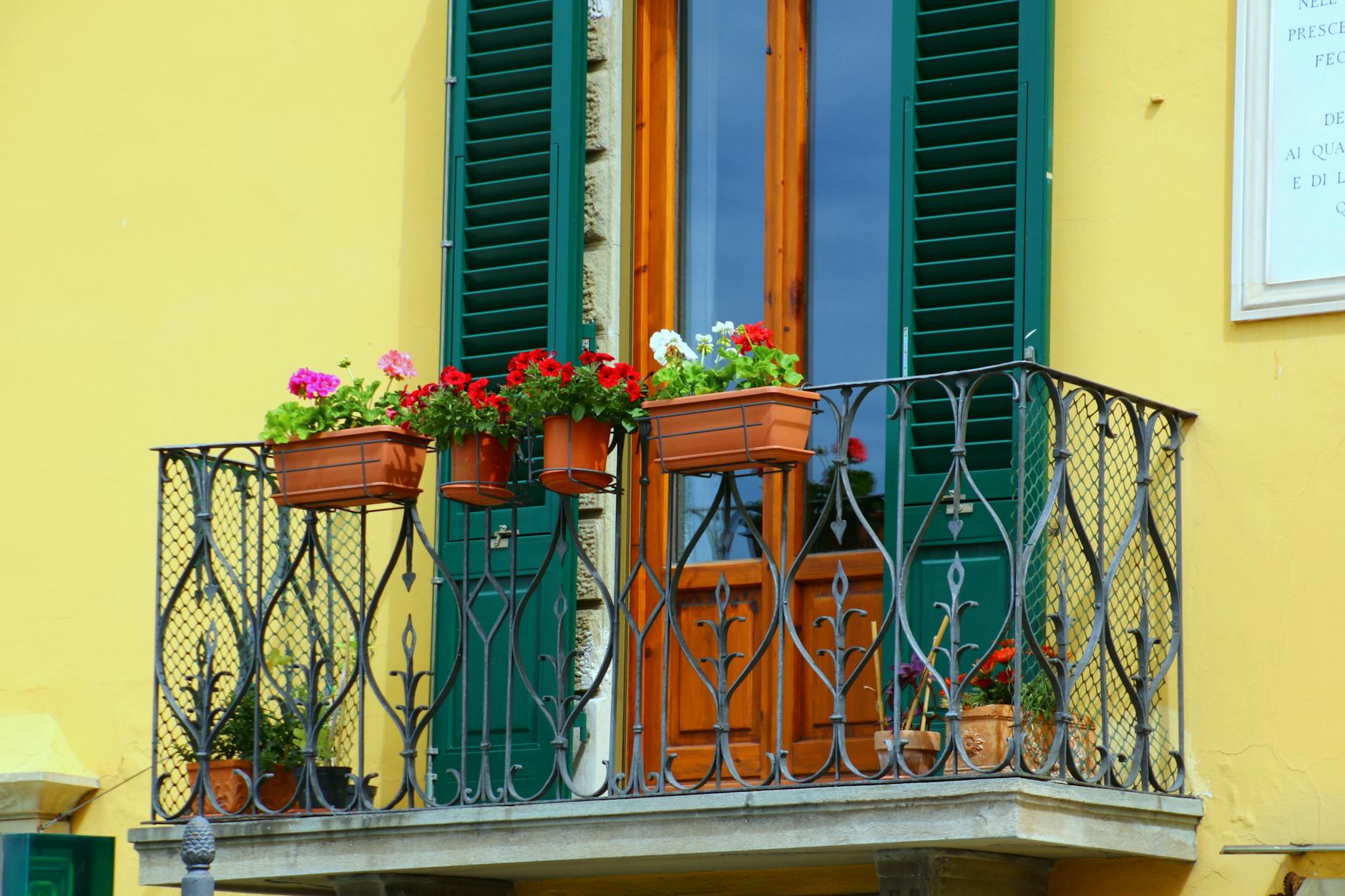
Mastering Light Conditions for Container Gardening Flowers
Selecting the right flora for your balcony requires a deep understanding of microclimates. The success of any plant, particularly those in confined containers, is fundamentally dictated by the light exposure it receives daily. We observe that sunlight intensity and duration are not merely desirable conditions; they are the primary drivers of photosynthetic efficiency and bloom quality.
Plants employ photoreceptors to gauge light levels, initiating complex biochemical pathways that determine stem elongation and flowering initiation. If a plant receives insufficient photons, it enters a state of etiolation—stretching desperately toward the light source in an attempt to maximize energy capture. This results in weak stems and sparse foliage, negating the aesthetic potential of your chosen container gardening flowers.
Understanding sun exposure is the first critical step in this selection process. Areas receiving intense, direct midday sun (six or more hours) necessitate plants with high light tolerance, such as succulents, certain varieties of geraniums, or sun-loving annuals. Conversely, areas shaded by neighboring buildings, dense foliage, or perpetual shade require plants adapted to lower light intensities. Think about shade-tolerant options like impatiens or ferns if your balcony receives dappled light only.
We must analyze the directionality of light as well. East-facing balconies receive gentle morning light, which is excellent for many blooming varieties that prefer bright but indirect illumination. West-facing spots experience intense, long-duration afternoon sun, demanding plants that can handle heat stress without scorching their leaves. This differential exposure dictates which specific flower cultivars will thrive or merely survive in your setup.
Analyzing Environmental Stressors: Wind and Temperature Fluctuations
Beyond the spectrum of light, environmental physics plays a substantial role in container gardening success. Balconies are inherently exposed environments, meaning wind shear and rapid temperature shifts are common stressors that must be factored into plant placement decisions.
Wind exposure increases the rate of transpiration significantly. When wind blows across a container, it accelerates water loss from the leaves, demanding greater moisture reserves from the potting medium. Plants positioned in high-wind corridors will require deeper, moisture-retentive soil mixes and potentially more frequent watering cycles to maintain turgidity and prevent dehydration stress. We see that plants with fine, delicate foliage suffer disproportionately when exposed to persistent wind abrasion combined with drought conditions.
Temperature moderation also impacts the entire growing cycle. Containers heat up and cool down much faster than the surrounding air mass. During summer heatwaves, exposed containers can experience thermal stress, leading to rapid wilting if the soil dries out quickly. This necessitates using heavier-duty potting mixes that retain moisture better than standard garden soil.
When selecting your container gardening flowers, consider the specific microclimate of your balcony. A spot shielded by a railing might experience cooler nighttime temperatures but potentially stronger, more persistent breezes. This balancing act between maximizing exposure and mitigating environmental extremes is what separates a successful setup from one plagued by plant failure.
Selecting Varieties Based on Specific Light Profiles
The choice of flower directly correlates with its ability to adapt to the specific light conditions you have established. We move past general categories and look at specific plant behaviors concerning photons.
For plants needing high light exposure, varieties like petunias, calibrachoa, and zinnias perform exceptionally well when placed where they can receive direct, sustained sun. These species thrive when their photosynthetic machinery is maximally engaged by intense light energy. However, even these demanding growers require consistent hydration because the high rate of photosynthesis translates directly into a high rate of water consumption.
Conversely, plants that tolerate partial shade will exhibit slower growth rates but often produce more continuous blooms with less stress. For instance, begonias and impatiens adjust their leaf structure to maximize the capture of lower-intensity light energy efficiently. This adaptation means they are less susceptible to the rapid photoinhibition seen in high-light environments.
We must always assess the plant’s stated light requirements against your physical reality. A plant labeled “full sun” will perform poorly if it is perpetually shaded by an overhang, regardless of how much water you provide. Matching the species’ intrinsic needs with the actual received irradiance level dictates long-term viability and aesthetic outcome.
Optimizing Container Setup for Maximum Growth Potential
Selecting the right flower is only half the equation; the physical setup within the container determines how effectively that plant utilizes the available resources. Poor drainage or inadequate root space will inevitably cause suboptimal growth, regardless of ideal sunlight exposure.
The substrate used inside the pot must facilitate rapid water drainage while maintaining adequate moisture retention for the roots. Using a lightweight, porous mix ensures oxygen reaches the root zone, preventing root rot, which is a common failure point in container gardening. We observe that dense, poorly aerated soil suffocates roots quickly when exposed to high watering demands.
Root development dictates overall plant health; plants need sufficient volume for their roots to expand laterally and anchor themselves securely within the medium. Resist the temptation to overcrowd your pots. When planting container gardening flowers, give them the space necessary for their specific root architecture to develop properly before they begin heavy flowering.
For maximizing vertical space on a balcony, integrating vertical elements proves highly advantageous. Techniques focused on utilizing wall space effectively allow you to cultivate more plants without occupying excessive horizontal floor space. Exploring Vertical Gardening: Maximize Yields in Small Urban Spaces can transform an otherwise limited area into a lush, productive environment. This strategy allows for denser planting while still ensuring each plant receives its necessary light and air circulation.
Integrating Companion Strategies for Enhanced Health
The health of individual plants is intrinsically linked to the ecosystem you create within the container grouping. Introducing companion planting strategies helps mitigate localized stress and enhances overall resource utilization among your container gardening flowers. This involves understanding how different species interact chemically and physically in proximity.
For instance, certain herbs or vegetables can act as natural regulators for pests or improve soil health when paired with flowering annuals. Research into Balcony Bounty: Companion Planting for Urban Vegetable Success suggests that strategic placement can reduce the need for chemical intervention by establishing a balanced micro-environment naturally. When you group plants thoughtfully, they begin to support each other’s growth dynamics through shared resource management.
Observing this interplay reveals that dense planting of sun-loving flowers might benefit from having nearby shade-tolerant ground covers to manage soil temperature fluctuations and moisture evaporation near the base of the container. This symbiotic relationship means that optimizing the placement moves beyond simple light measurement into holistic ecological design for your balcony space. The overall effect is a more resilient, visually rich collection of blooms sustained by intelligent environmental management.
Tags: container gardening flowers, urban gardening, balcony gardening, container plants, flower selection, small space gardening, container gardening
Featured Image by Gene Samit on Pexels.