
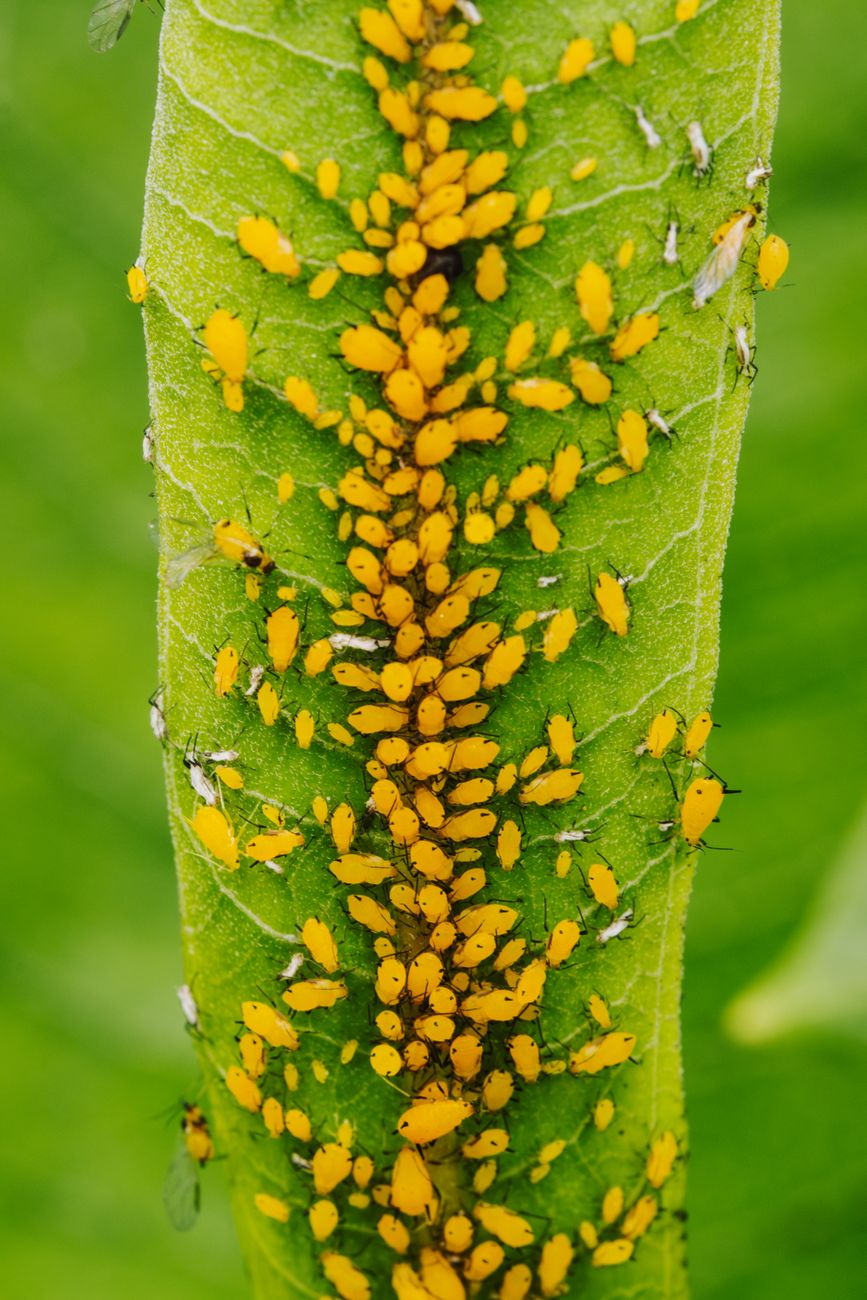
Decoding Pest Pressures in Your Urban Plot
When cultivating edibles in confined urban spaces, managing pest populations becomes a critical component of horticultural success. We observe that the visual identification and subsequent intervention strategy depend entirely on accurately diagnosing the specific infestation present. Misidentifying a pest can lead to inappropriate treatments, which often results in unnecessary chemical use or, conversely, ineffective control measures against the actual threat. Understanding the subtle morphological differences between common garden nuisances like aphids and whiteflies is the necessary first step before initiating any management protocol.
The Differential Diagnosis: Aphids Versus Whiteflies
Aphids and whiteflies are both sap-sucking insects that cause significant damage to plant tissues, yet their life cycles, feeding habits, and physical characteristics diverge noticeably. We examine these differences through a lens of ecological interaction.
Aphids typically congregate in dense clusters, often on tender new growth or the undersides of leaves where they can efficiently access phloem sap. Their bodies are generally soft-bodied, pear-shaped, and exhibit a distinct, often bright green, black, or pink coloration depending on the species present. When you observe an aphid colony, you notice that the insects remain stationary for extended periods, feeding systematically by piercing the plant tissue with specialized mouthparts to extract nutrient-rich fluids. This sustained, localized feeding results in the characteristic sticky honeydew excretion, a sugary waste product that attracts secondary microbial growth on the foliage.
Whiteflies present a different infestation signature. These insects are typically much smaller and more elusive. They tend to cluster in areas where they can remain hidden from direct observation, such as leaf axils or along stems, often appearing as fine, shimmering specks when disturbed. The whitefly’s feeding mechanism is similar—piercing plant cells to ingest sap—but their overall physical presentation differs significantly. Whiteflies are generally more delicate and move more erratically across the surface of the leaf than their aphid counterparts. Our analysis suggests that this difference in mobility directly impacts how visual scouting needs to be conducted during an urban gardening assessment.
Manifestations on Urban Flora
The visible damage inflicted by these pests is a key indicator for timely action. Both groups reduce photosynthetic efficiency, slowing overall plant growth and development in your garden space. Aphids inflict damage through sustained sap draining, leading to stunted growth if infestations are left unchecked. The sheer density of an aphid colony can cause leaves to curl or exhibit chlorosis—yellowing—as the plant attempts to cope with the nutrient depletion.
Whiteflies, while perhaps less immediately visible in large numbers, contribute equally to stress. Their feeding activity creates microscopic wounds across the leaf surface, which allows opportunistic fungi and bacteria to proliferate, exacerbating the overall stress response of the plant system. We see that an infestation of either group alters the plant’s ability to process light and water effectively. Recognizing this systemic impact guides our intervention strategy away from purely cosmetic fixes toward true ecological balance restoration.
Early Detection Protocols for Urban Gardeners
Effective pest management hinges on recognizing the initial signs before widespread damage occurs. Training your eye to detect these specific symptoms saves time and resources in a high-density urban setting. We must move beyond simply noting “pests are present” to precisely quantifying the type of threat we are facing.
For aphids, look for the aforementioned honeydew accumulation. This sugary residue is the first tangible indicator that sap-sucking activity is underway. If you see a sticky film coating the newest growth, immediate assessment is warranted. Conversely, for whiteflies, focus on the fine, powdery residue or the general dullness of the foliage where they aggregate. Understanding these specific physical markers allows you to adjust your response immediately upon discovery.
When starting any intervention, consider the context of your gardening setup. If you are managing plants in containers or vertical structures, the movement patterns and concentration of these pests can be amplified by restricted airflow or increased proximity to other living materials. This raises the question of how habitat density influences pest dynamics within constrained environments. For instance, monitoring conditions around systems like Vertical Gardening Wonders for Tiny Urban Balconies might reveal higher susceptibility rates if water runoff is poor or air circulation is stagnant.
Implementing Targeted Control Strategies
Once the identification is confirmed, the control method must be tailored to the specific pest mechanism. Blanket treatments often prove inefficient because they target beneficial arthropods along with the pests themselves. We favor targeted applications that disrupt the pest’s feeding or life cycle directly.
For managing aphid populations, mechanical removal remains a highly effective initial tactic in small-scale urban settings. A strong, focused spray of water can physically dislodge dense colonies, immediately reducing sap flow and alleviating visible stress on the plant tissue. This physical action works by disrupting the adhesive bond holding the insects to the plant surface.
Whitefly control requires a slightly different approach because they often hide effectively within leaf structures. Direct application of insecticidal soap or targeted horticultural oils can penetrate these hidden locations where feeding is occurring, effectively smothering the pest population. We observe that oil-based treatments work by creating a physical barrier on the leaf surface, suffocating the soft-bodied insects and disrupting their ability to feed efficiently.
We must always evaluate the long-term sustainability of the chosen method. Repeated applications necessitate understanding the life cycle dynamics. For instance, if you notice aphid numbers rebounding quickly after treatment, it suggests that the source of infestation—perhaps an overlooked seed or a nearby plant—remains unmanaged. This reinforces the necessity of maintaining overall garden hygiene.
Integrating Pest Management with Urban Cultivation Practices
Successfully managing pests in urban gardens involves integrating biological principles with physical management techniques. The goal is to establish an environment where beneficial organisms thrive alongside the desired plants, minimizing reliance on synthetic inputs over time.
We see that incorporating companion planting can offer a passive level of defense against general pest pressure. Certain strong-smelling herbs or repellent plants can create an unfavorable microclimate for pests, acting as a broad, non-chemical deterrent. This ecological layering reduces the overall infestation load before direct intervention is necessary.
Remember that starting your gardening journey requires foundational knowledge. Before focusing solely on pest eradication, establishing a robust system for propagation is essential. For instance, understanding how to properly germinate seeds is fundamental; this knowledge extends into managing the entire plant lifecycle, from germination through maturity. Resources available for Indoor Seed Starting for Urban Gardeners: A Beginner’s Guide (https://twigharbor.com/indoor-seed-starting-beginners-guide-3/) provide the necessary framework for success in these confined spaces.
The relationship between plant health and pest presence is symbiotic; stressed plants are inherently more vulnerable to infestation. By maintaining optimal soil health, ensuring adequate water and light exposure, and vigilantly monitoring for specific signs like those distinguishing aphids vs whiteflies, urban gardeners establish a proactive defense mechanism. This analytical approach shifts the focus from reactive spraying to proactive ecosystem management. We manage the environment so that pests exist at manageable levels, rather than fighting an overwhelming biological imbalance.
Tags: urban gardening pests, aphids identification, whitefly control, garden pest management, small garden care, pest identification, organic pest control
Featured Image by K on Pexels.