
The Mechanics of Vertical Cultivation in Dense Urban Environments
When assessing small urban spaces, the constraint is rarely just about physical square footage; it is about optimizing three-dimensional real estate. We observe that traditional horizontal gardening methods fail to maximize yield potential when vertical growth is the chosen strategy. This shift requires a fundamental re-evaluation of how light exposure, root access, and water distribution interact within confined architectural boundaries. The goal becomes maximizing photosynthetic surface area while minimizing substrate volume.
Vertical gardening flowers leverage this spatial advantage by stacking growth vertically rather than spreading horizontally across a limited footprint. This manipulation directly addresses the scarcity of ground space. For instance, installing trellises against a wall transforms an otherwise unused vertical plane into an active growing medium. The mechanism at play here is maximizing exposure to diffuse and direct sunlight throughout the day, which accelerates flowering and fruiting cycles. We are essentially engineering light capture within tight confines.
Selecting the Right Structural Support Systems
The choice of support system dictates the entire efficacy of any vertical setup. A poorly designed structure will lead to stress fractures in the plant stems or inadequate root development. We must analyze load-bearing capacity relative to the plant’s mature biomass before committing materials. Metal shelving units, for example, offer high strength but demand careful assessment regarding moisture retention and potential heat reflection against foliage. Wooden lattices provide a warmer aesthetic and a more organic feel, though they require treatment to prevent rot in perpetually damp urban settings.
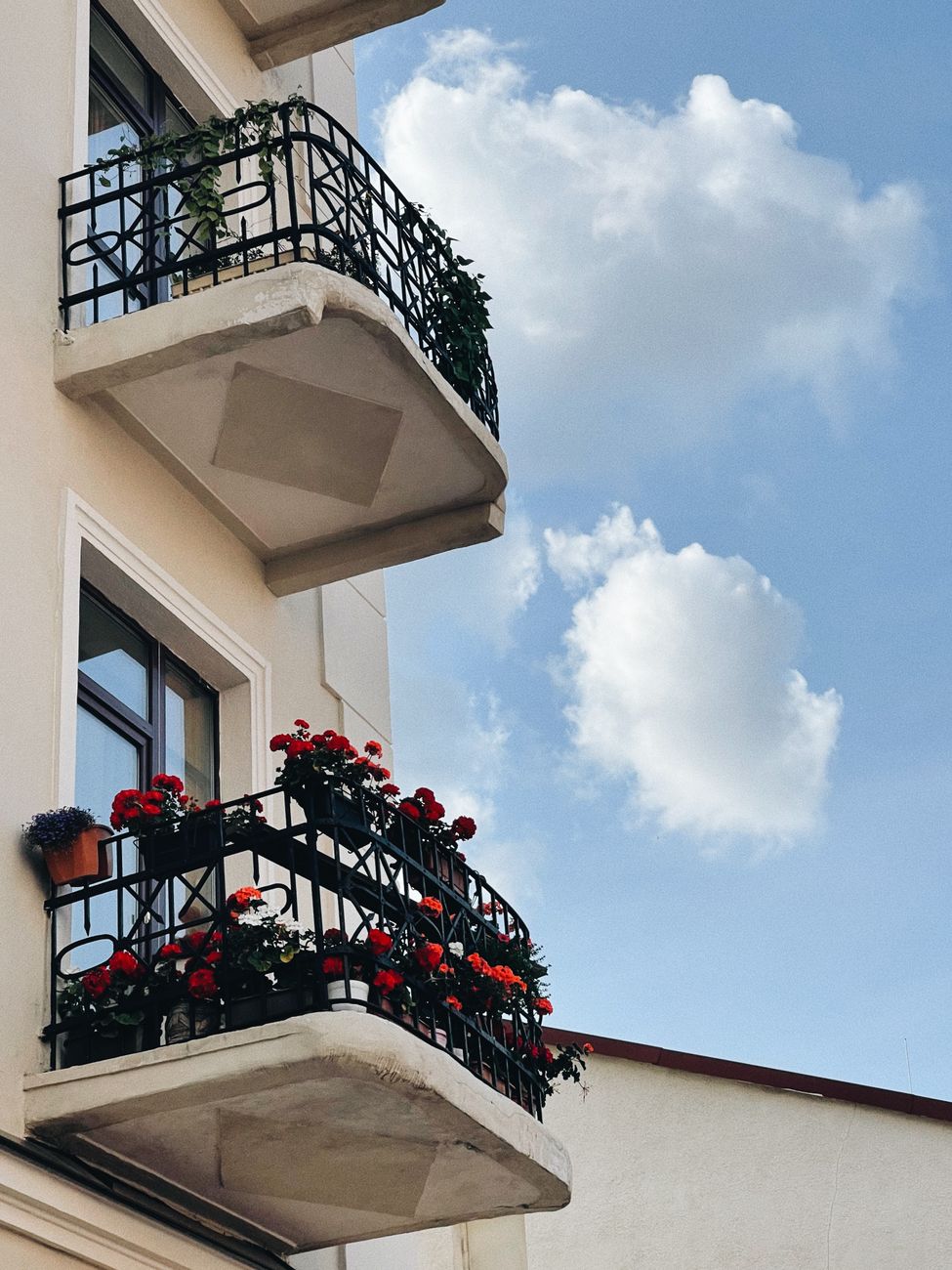
Hanging baskets and pocket systems address the need for localized cultivation where space is exceptionally limited, such as balconies or narrow railings. These systems prioritize accessibility for maintenance tasks. The depth of the container must be calculated precisely; insufficient depth restricts root mass development, which limits nutrient uptake and overall plant vigor. We find that systems allowing for deep, well-draining soil profiles are superior for robust flowering plants.
Optimizing Root and Water Management
A common failure point in urban vertical setups involves the management of water resources across multiple tiers. Gravity dictates drainage, but ensuring consistent moisture distribution requires intentional design. If one tier becomes saturated while another remains dry, differential growth rates occur, leading to uneven blooming. We must engineer a system where water flows efficiently down the structure, or where each container manages its own hydrology effectively.
For setups involving stacked planters or hanging systems, integrating self-watering mechanisms proves highly beneficial. Building your own self-watering wicking beds offers a superior mechanism for managing substrate moisture because it establishes a consistent capillary action between the water reservoir and the root zone. This bypasses the risk of overwatering or underwatering that plagues manual watering routines in high-density setups. Analyzing this process shows that a properly saturated, yet not waterlogged, root environment is the prerequisite for intense flowering.
Cultivating Optimal Conditions for Flowering Success
Achieving abundant blooms on vertical structures depends heavily on mimicking ideal growing conditions despite the urban setting. Urban environments present unique challenges: unpredictable microclimates, increased wind exposure, and potential pollutant runoff affecting soil chemistry. Addressing these external variables is crucial for success when cultivating vertical gardening flowers.
Light intensity remains a primary driver of flowering response. Plants require substantial photons to initiate the metabolic processes that result in flower production. In areas shaded by surrounding buildings or dense foliage, supplemental light strategies become non-negotiable. We observe that plants positioned on west-facing walls receive intense afternoon sun, which can induce legginess if not managed correctly through strategic placement of taller varieties. Understanding the photoperiod—the duration of light exposure—is as important as the intensity itself for flowering induction.
Managing Nutrient Delivery and Soil Composition
The soil medium in vertical containers must provide both physical support and chemical sustenance. Standard potting mixes often compact too easily, restricting aeration necessary for healthy root respiration. We recommend incorporating materials like perlite or coarse sand into the substrate mix to enhance porosity. This improved aeration ensures that oxygen reaches the roots effectively, preventing anaerobic conditions where detrimental fungal diseases thrive.
Nutrient delivery must be tailored to the growth phase of the plant. Flowering demands a specific ratio of phosphorus and potassium relative to nitrogen. Over-fertilization with high-nitrogen formulations results in lush foliage but poor floral output, as the plant redirects energy away from reproductive structures. Analyzing soil pH is another critical step; most flowering plants thrive in a slightly acidic range, and adjusting this balance allows the roots to efficiently absorb necessary micronutrients.
Pest Management in Confined Spaces
The close proximity of plants on vertical surfaces creates unique ecological pressures regarding pest management. Pests multiply rapidly in these dense environments, and their control must be precise because broad-spectrum treatments often harm beneficial insects crucial for ecosystem balance. We see frequent issues with small, irritating pests such as aphids and whiteflies colonizing these confined spaces quickly.
When managing infestations, targeted intervention is necessary. Understanding the lifecycle and specific feeding habits of the pest informs the most effective treatment protocol. For instance, recognizing the presence of aphids versus whiteflies allows for appropriate action. Applying targeted, low-impact treatments directly to the affected surfaces minimizes collateral damage. Research into urban pest identification provides the framework for this localized control strategy, allowing gardeners to intervene before a minor infestation escalates into a systemic problem affecting the entire vertical arrangement.
Advanced Techniques for Maximizing Vertical Yields
Moving beyond simple container gardening requires employing techniques that exploit the architecture of the space itself. We move from merely placing plants to designing symbiotic growth systems where each element supports the others structurally and ecologically. This level of integration separates hobbyist attempts from expert-level urban cultivation.
Trellising methods offer substantial yield potential because they provide the necessary physical scaffolding for vining or climbing species to achieve maximum canopy spread. The way a vine interacts with the trellis dictates its overall growth habit; it forces the plant into an upward trajectory, maximizing exposure to light and ensuring that energy is channeled into producing flowers rather than excessive stem elongation in a single direction.
Integrating Plant Health with Structural Design
The relationship between plant health and structural integrity is symbiotic. Weakened plants exert less physical stress on supports, whereas robust plants demand stronger materials. We must constantly monitor the interaction between living tissue and inert material. If we observe wilting or drooping on a particular tier, it suggests a problem with root saturation or light deprivation in that specific zone, prompting an immediate structural or hydrological adjustment rather than simply applying more water.
This analytical approach means treating the vertical garden not as a collection of separate pots but as an interconnected ecosystem where physical structure dictates biological outcome. Observing this dynamic reveals that successful vertical gardening flowers cultivation is fundamentally an exercise in applied systems design. By understanding the physics of light, the chemistry of the soil, and the biology of pest interaction, we unlock the potential for spectacular growth even in the most constrained urban settings.
Tags: vertical gardening, urban gardening, small space gardening, flower display, wall planters, vertical gardens, container gardening
Featured Image by Лиза Спасибова on Pexels.