
Engineering Yields: Mastering Container Crop Combinations for Urban Growers
Growing food in limited urban spaces requires a shift from traditional row cultivation to intensive spatial management. When utilizing containers, the interaction between adjacent plants becomes a critical factor dictating overall productivity. We observe that simply placing different vegetables side-by-side does not automatically result in higher yields; rather, successful container gardening hinges on understanding the symbiotic and competitive relationships between species. Mastering container crop combinations means optimizing light exposure, nutrient partitioning, and pest deterrence simultaneously within a confined volume.
The core mechanism we exploit here is maximizing the utilization of the available substrate and ambient resources. A poorly planned combination results in resource competition where plants actively suppress one another’s growth, leading to stunted harvests. Conversely, intentional pairing allows for synergistic effects where one plant’s presence modifies the microenvironment beneficially for its neighbor. Understanding these interactions moves gardening from simple planting to applied ecological design.
Establishing Optimal Spatial Relationships
The physical arrangement of your containers directly influences plant performance through light interception and root competition. Plants require specific light intensities; tomatoes, for example, are high-light feeders that demand significant energy input to produce fruit. Placing shade-tolerant greens next to these heavy feeders creates an imbalance in photosynthetic potential across the board.
We see a strong correlation between vertical arrangement and resource allocation when space is severely restricted. Techniques like utilizing vertical gardening secrets allow growers to stack layers efficiently, increasing the effective surface area for light capture per square foot of floor space. When planning container arrangements, consider how light will shift throughout the day; southern-facing containers receive intense midday radiation, while northern placements benefit from consistent, lower light exposure. This spatial awareness dictates which companion plants thrive next to others.
The Mechanics of Companion Planting
Companion planting is more than just aesthetic grouping; it is applied agroecology. We are manipulating plant physiology to achieve mutualistic outcomes. Certain combinations leverage chemical signals and physical barriers to manage pests naturally. For instance, placing pungent herbs near susceptible vegetables functions as a repellent mechanism against common garden pests. This is not guesswork; it relies on established phytochemical interactions observed in ecological systems.
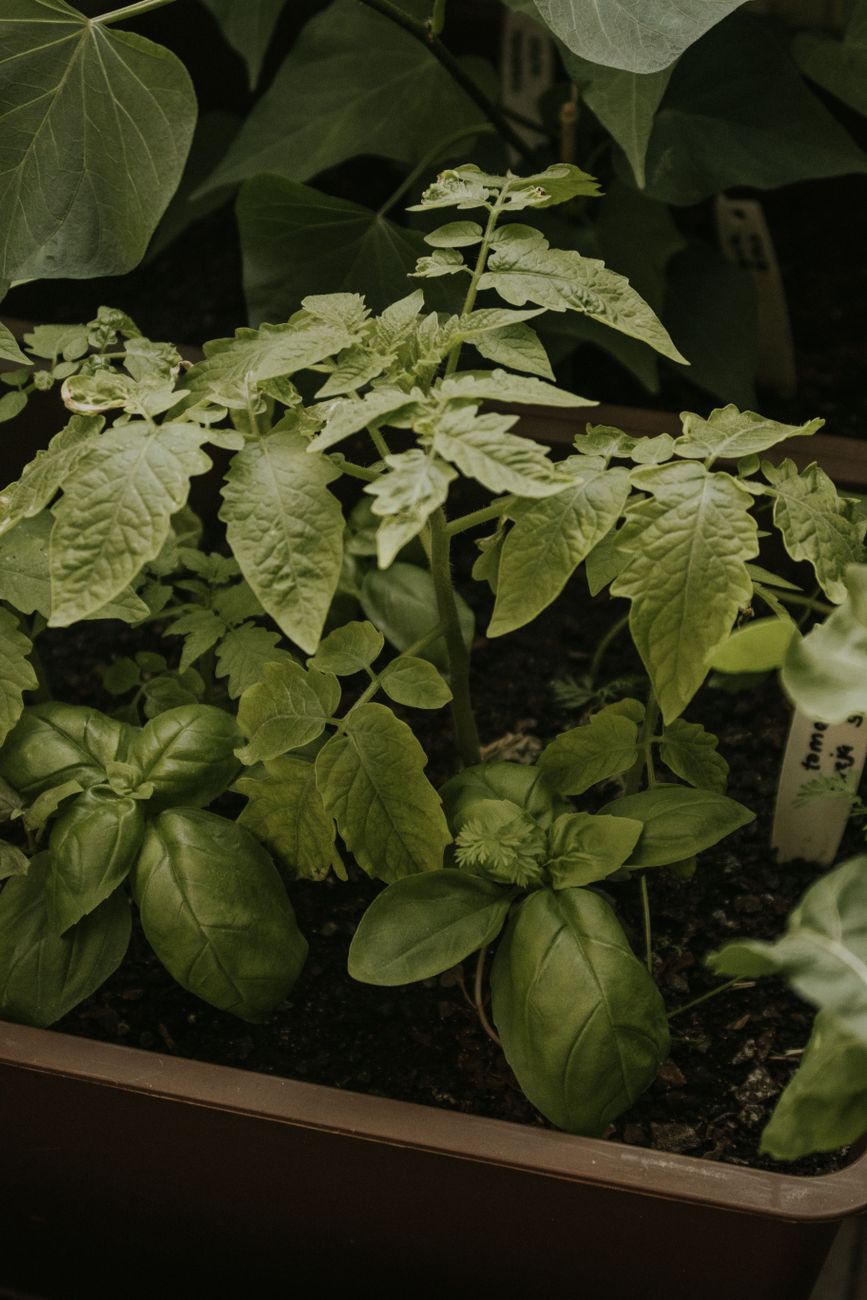
Consider the classic pairing of basil with tomatoes. The aromatic compounds emitted by the basil interfere with the attraction signals for certain insect pests that target Solanaceae family members. This chemical signaling acts as an external defense layer, reducing the necessity for direct pesticide application. We are effectively engineering a pest-resistant environment through plant chemistry.
Maximizing Container Crop Combinations Through Symbiosis
The selection of which crops to combine depends entirely on their physiological needs—specifically soil depth, water requirements, and nutrient demands. Container gardening forces us to manage these variables with precision. Effective container crop combinations focus on creating layered systems where each plant fulfills a specific niche within the pot.
For example, pairing root vegetables with climbing legumes creates a highly efficient vertical structure. The climbing plants use the support structure provided by the roots for anchorage while simultaneously fixing atmospheric nitrogen into the soil. This process reduces the need for external nitrogen supplementation, lowering input costs and environmental impact. Observing this mechanism reveals how we can achieve higher yields with fewer external inputs.
We must also account for water dynamics. Plants with differing transpiration rates require differential watering schedules within the same container. Placing drought-tolerant species alongside thirsty ones necessitates a nuanced approach to substrate moisture management; one plant will dictate the overall water retention capacity of that specific pot.
Managing Growth in Confined Systems
When space is limited, managing the vertical dimension becomes equally important as managing the horizontal plane. Growers frequently utilize vertical gardening secrets to stack different growth habits within a small footprint. This strategy effectively increases the total biomass produced per linear foot of wall space. Observing successful vertical systems suggests that maximizing vertical density allows for greater overall harvest volume in urban settings.
The interplay between root systems and canopy architecture must be managed carefully inside containers. Roots compete fiercely for limited substrate, demanding specific drainage profiles. If you are growing deep-rooted items like carrots alongside shallow-rooted greens, the water reservoir dynamics change drastically, necessitating specialized potting mixes tailored to the specific combination of crops present.
Addressing Pathogens in Dense Plantings
Denser plantings inherently increase the risk profile for fungal and bacterial infections because air circulation becomes restricted. When plants are closely packed, moisture retention increases, creating ideal conditions for pathogens like Phytophthora or various mildew strains to proliferate rapidly within the container environment. This raises immediate concerns regarding plant health inside small pots.
Understanding these risks necessitates proactive management strategies tailored to the combination of crops chosen. Selecting specific combinations that naturally repel certain fungi is a form of preventative action. For instance, incorporating strong aromatic companions can help disrupt the colonization process on nearby leaves. Growers must remain vigilant about moisture levels; consistently soggy substrates are the primary catalyst for disease outbreaks in confined spaces. Knowledge regarding fungal diseases in urban gardens provides the necessary framework for intervention when issues arise.
Nutrient Cycling and Substrate Optimization
The substrate within a container is not merely a passive medium; it is an active participant in the growth cycle, influencing nutrient availability and microbial activity. When combining different plant types—say, heavy feeders like peppers with slower-growing herbs—the nutrient demands diverge significantly. Peppers require high levels of mobile nutrients, while herbs favor slow, steady release.
This divergence impacts how fertilizer must be applied across the container. Applying a single, generalized feed will result in imbalances; we must adjust nutrient delivery based on the specific combination occupying that space. Analyzing the nutrient uptake rates observed in your specific crop arrangement allows you to fine-tune feeding regimes. The goal is to ensure that resources flow efficiently to maximize yield rather than simply filling the pot with biomass.
Container crop combinations, when approached analytically, transform gardening from an art into a form of applied system design. We move beyond simple juxtaposition toward intentional ecological engineering where every plant serves a purpose within the limited space. By understanding light physics, chemical signaling, and root competition, urban growers can reliably maximize their harvest potential in small pots.
Tags: container gardening, companion planting, small space gardening, container vegetables, urban gardening, maximizing yield
Featured Image by Letícia Alvares on Pexels.