
Selecting the Right Vessels for Urban Cultivation
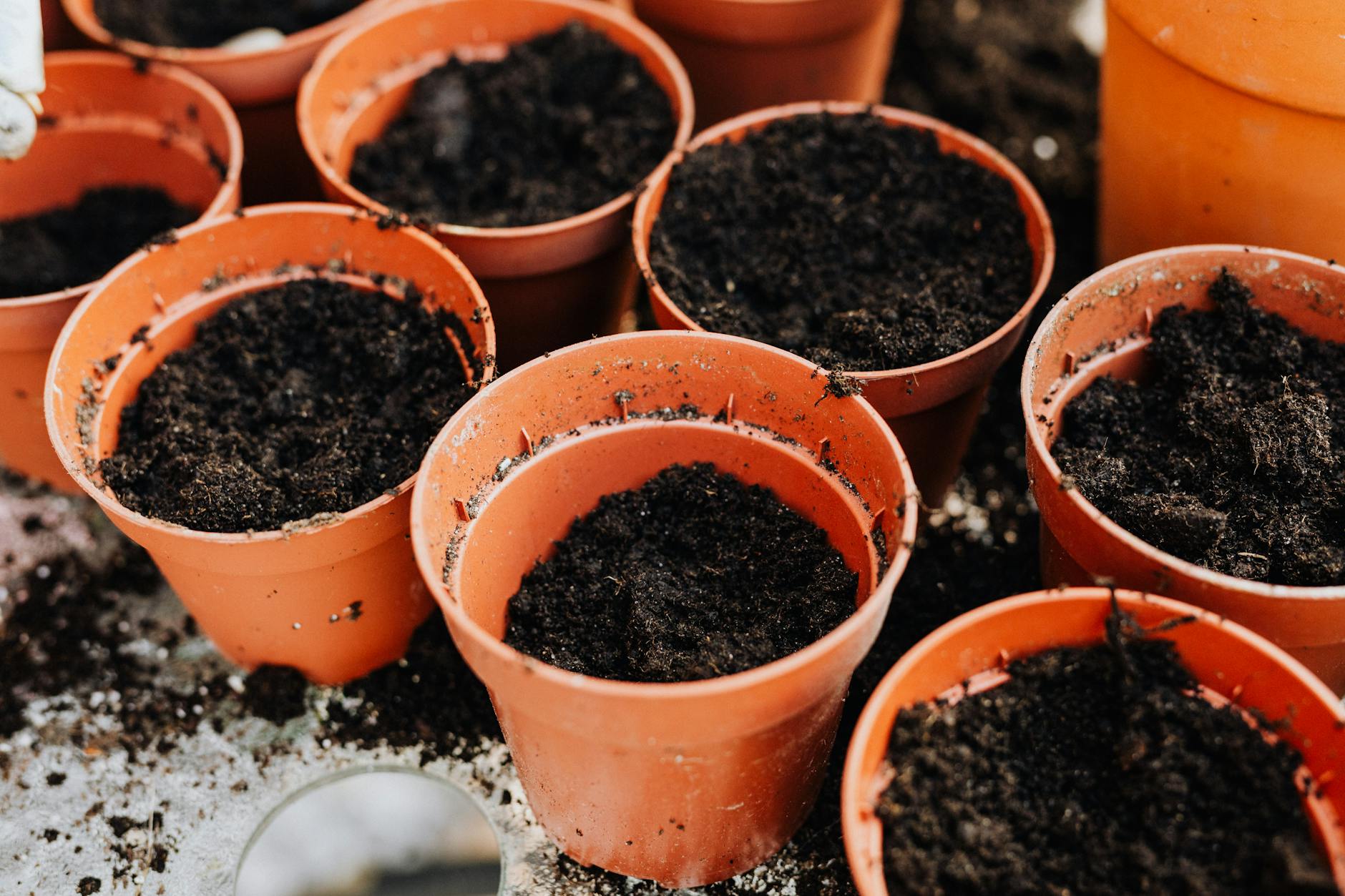
When initiating container gardening urban projects, the vessel itself moves beyond mere decoration; it becomes a critical engineering component influencing root health and water management. We observe that material science dictates performance here more than aesthetics alone. Terracotta pots, for instance, offer porosity, allowing evaporative cooling and aeration of the root zone, which is beneficial in hot city environments. Conversely, plastic containers possess superior water retention capabilities, reducing the frequency of irrigation cycles for the gardener. Understanding this trade-off requires assessing the intended plant’s specific water needs and the ambient temperature fluctuations experienced by the container.
The diameter and depth of the pot directly constrain root development patterns. Shallow containers restrict the ability of deep-rooted plants to establish themselves, leading to stunted growth and increased susceptibility to drought stress. We find that for most common edibles, a depth of at least eight inches provides adequate medium for fibrous root systems to penetrate effectively. When planning vertical arrangements, as discussed in our guide on Vertical Gardening: Maximize Yields in Tiny Urban Spaces, the load-bearing capacity of the chosen container material becomes a paramount consideration for structural integrity.
Drainage mechanics are arguably more important than the pot material itself. Poor drainage creates anaerobic conditions, inhibiting the necessary respiration of the roots and promoting fungal pathogen proliferation within the potting medium. Therefore, every container must feature unobstructed exit points for excess water. If a container lacks adequate perforations, installing an external reservoir or ensuring a highly permeable soil mix becomes a mandatory compensatory measure to prevent root rot.
The Mechanism of Effective Drainage Systems
We analyze drainage not as an afterthought but as an integral system component. Standard terracotta is often insufficient on its own if the potting medium compacts excessively upon saturation. Therefore, successful implementation demands layering techniques or the use of specialized drainage material at the base. A common practice involves creating a gravel layer beneath the root zone to facilitate rapid water evacuation away from the root ball. This physical barrier ensures that soil particles are not held in stagnant pockets.
The relationship between the potting mix and the container walls is another area where careful calibration is necessary. Dense, heavy soil mixtures combined with narrow-walled containers create high hydrostatic pressure against the sides, which can physically impede root expansion over time. We must engineer the medium to be light enough to allow roots to expand freely without encountering restrictive physical barriers.
Formulating Substrates for Optimal Nutrient Uptake
The substrate is the reservoir from which all biological processes originate in a container garden urban setting. Using dense, commercially bagged potting soil, while convenient, often introduces excessive density and poor aeration when confined to a pot. Our analysis suggests that successful cultivation relies on creating a custom-engineered medium tailored to the specific demands of the chosen plants and the limitations of the container size.
We examine the composition of the ideal growing mix. A good urban substrate must balance water retention capacity with gas exchange capability. This is achieved by incorporating amendments that increase porosity significantly. For instance, mixing standard potting soil with materials like perlite or coarse sand increases the overall void space within the matrix. This increased air space allows for gaseous exchange—specifically oxygen diffusion to the roots—which directly correlates with faster nutrient uptake and healthier plant metabolism.
When cultivating sensitive systems, such as those integrated into larger urban food systems, understanding the microbial environment becomes crucial. Introducing organic matter slowly and deliberately supports beneficial microbial activity that breaks down nutrients and makes them bioavailable to the plants. For example, incorporating compost or worm castings into the initial mix establishes a living substrate rather than just an inert medium. This approach moves the system toward a self-regulating biological cycle.
Soil Amendments: Balancing Retention and Aeration
The choice of amendments directly manipulates the physical properties of the growing medium. Fine organic matter, like composted materials, acts as a long-term slow-release nutrient source. As this matter decomposes, it releases essential minerals incrementally, feeding the plants over extended growth periods. However, too much organic material, especially when combined with heavy clay components, increases the risk of waterlogging if drainage is compromised.
Conversely, inorganic materials provide the necessary structural modification. Materials like vermiculite or expanded shale increase the overall volume and porosity of the substrate, mitigating compaction issues often observed in dense urban soil scenarios. We see that substituting a portion of the base material with these lightweight aggregates allows the root system more physical space to expand radially without encountering excessive resistance from the potting medium itself.
We also consider supplementary systems for nutrient cycling. For instance, integrating living compost systems into the larger gardening endeavor provides a mechanism for creating highly enriched, balanced soil amendments directly on-site. This connection between cultivation and soil biology demonstrates how external systems can enhance the inherent capacity of the container environment.
Mastering Water Management in Container Systems
Water delivery is the most frequent point of failure in small-scale container gardening urban environments because inconsistent watering leads directly to physiological stress for the plants. The mechanism governing successful hydration involves balancing the rate of water application against the substrate’s capacity to absorb and retain that moisture without becoming saturated. We must move beyond simple scheduling toward substrate-aware irrigation practices.
The concept of soil moisture tension dictates when water needs to be applied. When the soil dries out, the tension between the water molecules and the soil particles increases, signaling the plant that water uptake is necessary. If we rely solely on visual cues, we risk overwatering or underwatering depending on external variables like shade or wind exposure.
Techniques for Efficient Water Delivery
Implementing efficient watering protocols requires observing the physical state of the substrate rather than adhering strictly to a calendar schedule. Before irrigating, one must assess the soil moisture depth. Gently probing the medium allows an assessment of how deeply the water has penetrated and how saturated the upper layer is.
For most container systems, the goal is to achieve consistent, deep moisture penetration rather than superficial surface wetting. This encourages the development of deeper, more resilient root structures capable of accessing deeper water reserves. Slow, deep watering events promote this necessary depth. Avoid frequent, light sprinkles which encourage shallow, weak root growth that is highly vulnerable to rapid desiccation during dry spells.
When using automated systems, sensor technology provides the most direct feedback on substrate conditions. These sensors measure volumetric water content, allowing the irrigation system to initiate flow only when a predefined threshold of moisture deficit is reached within the specific soil matrix. This closed-loop control minimizes waste and maximizes plant health by ensuring inputs match actual physiological demand. Observing this data confirms that precise measurement overrides generalized assumptions about watering frequency.
Tags: container gardening, urban gardening, city gardening, potting mix, drainage, balcony gardening, small space gardening
Featured Image by www.kaboompics.com on Pexels.