
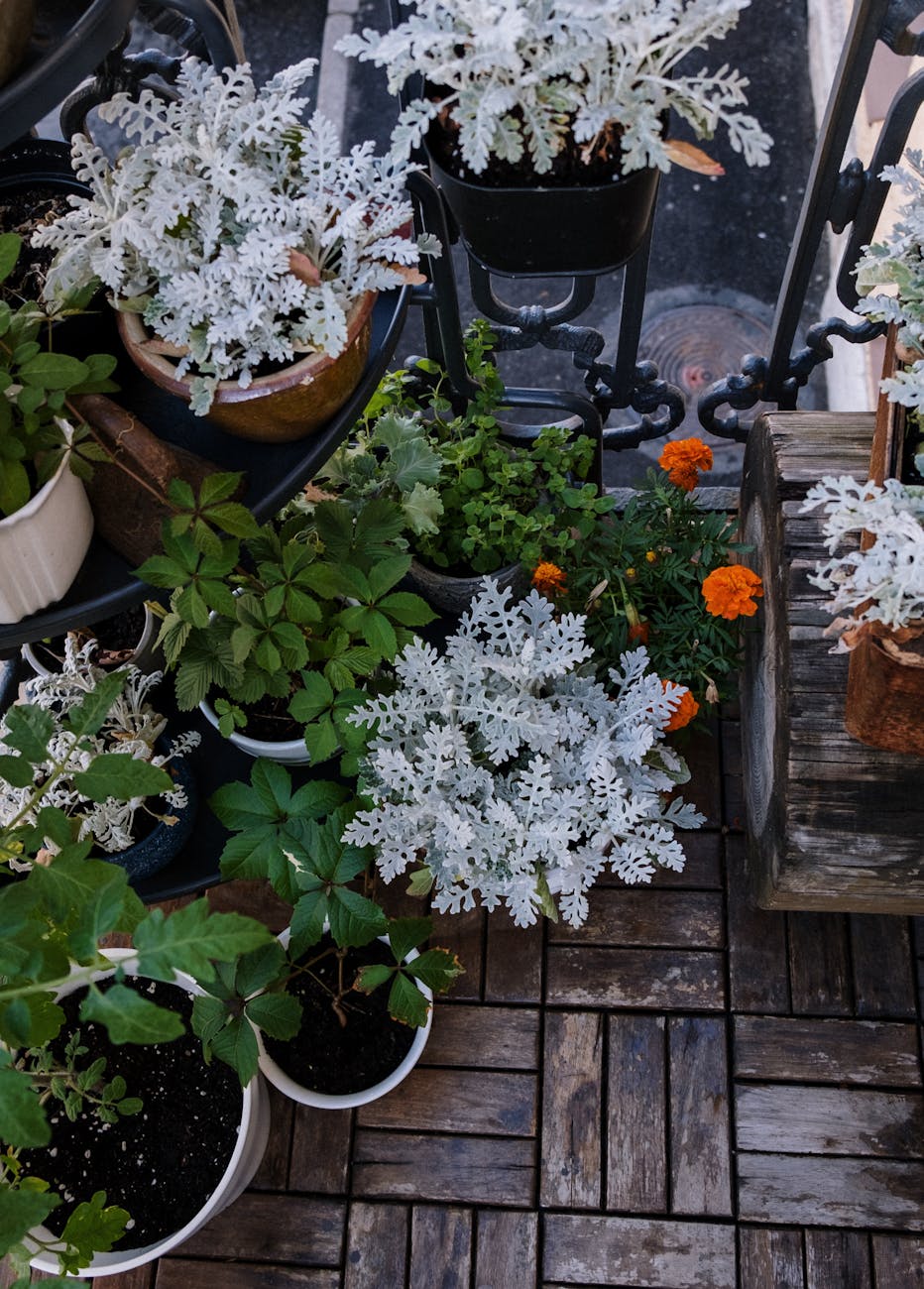
Mastering the Microclimate: Optimizing Container Gardening Success
Balconies present a unique, often overlooked microclimate for food production. The success of container gardening urban balcony systems hinges not just on what seeds you choose, but on how you manipulate the environment within those finite boundaries. We observe that the transition from in-ground cultivation to container settings introduces specific constraints—water retention rates, root space limitations, and exposure intensity—that demand a precise understanding of horticultural mechanics. Understanding these physical realities allows us to engineer environments where plant physiology thrives, rather than merely survives.
Selecting the Right Vessel for Root Health
The choice of container material directly dictates water dynamics and thermal regulation, which are primary determinants of plant health in urban settings. Terracotta, while aesthetically pleasing, exhibits high porosity; this means water evaporates rapidly, necessitating more frequent irrigation cycles. Conversely, plastic or glazed ceramic offer superior moisture retention, buffering the soil against rapid desiccation, a critical factor when tending plants during hot summer afternoons. We must assess the material’s interaction with the root zone.
The internal drainage system is perhaps the single most important mechanical consideration for any container. If water cannot escape efficiently through the base, root suffocation occurs quickly, regardless of how much water is supplied externally. Therefore, every successful setup requires adequate weep holes or intentionally created drainage channels to facilitate proper aeration and prevent anaerobic conditions in the soil substrate. When designing your balcony garden, think about the total volume versus the depth; deeper containers allow for more complex root systems development, while shallower pots suit shallow-rooted herbs or greens.
Substrate Science: Building the Perfect Growing Medium
The potting mix you use is not merely dirt mixed with compost; it is an engineered medium designed to balance aeration, water holding capacity, and nutrient delivery for container life. Native garden soil compacts unpredictably when confined, which suffocates roots and restricts essential gas exchange necessary for root respiration. Therefore, we construct our own specialized substrate. A successful mix balances inorganic materials—like perlite or pumice—with organic matter to achieve optimal porosity.
We observe that using standard garden soil directly in pots leads to severe compaction and poor drainage; the particle size distribution is too coarse for effective container management. Optimal potting mixes incorporate materials like coarse sand, aged compost, and aeration agents. For instance, incorporating a high volume of coarse grit increases macropores, allowing water and air to penetrate the entire root mass efficiently. This mechanism ensures that roots receive necessary oxygen, preventing the fungal diseases often associated with overly saturated, stagnant soil conditions found in dense urban plantings. When formulating your mix, focus on achieving a structure that mimics the ideal environment for plant roots, not just holding water passively.
Nutrient Delivery: Feeding the Container Ecosystem
Container plants have finite nutrient reservoirs compared to established ground-level perennials; this means they rely entirely on consistent, targeted feeding schedules. Without external supplementation, the slow depletion of nutrients in small volumes results in stunted growth and chlorosis—a visible symptom of mineral deficiency. We must establish a steady flow of essential macronutrients and micronutrients directly into the root zone.
The mechanism for nutrient replenishment involves understanding the difference between slow-release amendments and water-soluble fertilizers. Slow-release options release nutrients gradually, which can be beneficial for long-term stability, but they require careful calculation based on container size and plant uptake rate. Water-soluble fertilizers, conversely, allow for precise dosing directly into the irrigation water, ensuring that the nutrient solution is immediately available for root absorption. Experimentation shows that monitoring soil pH regularly is crucial because the availability of many essential micronutrients is entirely dependent on this chemical balance within the substrate. For an advanced approach to building a nutrient-rich environment from recycled materials, consider exploring methods like Urban Worm Composting: Fire Escape Vermicompost Bin Guide, which provides a closed-loop system for generating high-quality organic matter right where you live.
Strategic Plant Selection Based on Environmental Constraints
Not all plants are equally suited for the constraints of balcony living; selecting appropriate species based on light exposure and water availability is an exercise in environmental matching. Plants demanding high, intense light—such as tomatoes or peppers—require deep containers and maximum exposure to mitigate the physical limitations imposed by the structure. Conversely, shade-tolerant herbs like mint or lettuce thrive in slightly less intense light conditions and can tolerate more variable moisture levels.
We analyze how plant architecture interacts with container constraints. Bushy plants will require wider pots to manage lateral growth without root binding, whereas vining species need support structures integrated into the balcony design. This necessitates planning beyond just the pot itself; we must account for wind exposure, sun angles throughout the day, and the weight capacity of the balcony structure when determining plant placement. Observing how light intensity shifts from morning to afternoon dictates where specific plants can be placed effectively.
Water Management: The Art of Efficient Hydration
Watering containers frequently presents a challenge because evaporation rates are significantly higher in exposed settings than in sheltered ground environments. Overwatering is arguably the most common failure point for novice balcony gardeners, leading directly to root rot and systemic failure. The goal is to move beyond simple scheduling and adopt moisture-sensing practices.
The mechanism here involves assessing soil moisture tension rather than relying on a fixed calendar schedule. Before adding water, one should physically probe the substrate several inches deep to ascertain actual moisture content. If the top layer feels dry but the deeper soil remains damp, it signals that the root zone has sufficient reserves and further watering is unnecessary until the surface soil has fully reabsorbed the previous input. This empirical assessment prevents the wasteful application of water and mitigates the risk of oversaturation. When you are looking to enhance your nutrient delivery system naturally within this framework, creating your own liquid feed from organic waste becomes an efficient process; for example, DIY Vermicompost Tea: Liquid Fertilizer for Container Gardens can supply a potent, balanced infusion directly to your roots using materials you generate at home.
Final Considerations on Urban Gardening Density
Maximizing yield in a small space requires high-density planting combined with careful vertical planning. Intercropping techniques allow multiple plant types to share the same limited volume of substrate, increasing the overall productive surface area. Stacking containers vertically, utilizing railing planters or tiered shelving, leverages the three-dimensional space that is otherwise inaccessible. This strategy manipulates light interception across a greater surface area, optimizing photosynthetic potential for every plant present. We see that density increases the collective yield per square foot, provided the individual plant needs are respected concerning their access to light and water. Embracing these physical principles transforms a simple balcony into a highly efficient, productive extension of the kitchen space.
Tags: container gardening, urban gardening, balcony gardening, small space gardening, container gardening tips, balcony vegetables, container plants
Featured Image by cottonbro studio on Pexels.