
Understanding the Pathogens Threatening Urban Cultivators
When establishing a garden in a confined urban setting, cultivators encounter unique environmental pressures that facilitate the proliferation of specific biological agents. The density of plants, limited air circulation between containers, and often higher ambient humidity create an ideal microclimate for fungal pathogens to establish and execute their lifecycle. We observe from the data that managing these invisible threats requires moving beyond simple symptom recognition toward a deep understanding of the underlying biological mechanisms at play within the soil and plant tissue.
Fungal diseases urban gardening presents a complex challenge because the severity and manifestation depend not just on the pathogen itself, but on the host plant’s physiological state interacting with the immediate environmental parameters. A healthy, well-watered plant may suddenly succumb when humidity levels exceed a critical threshold, allowing spores to germinate rapidly across susceptible tissues. This interaction demands an approach rooted in preventative environmental control as much as direct treatment.
The Mechanisms of Fungal Infection
Fungi thrive by secreting enzymes that break down plant cell walls, allowing them to penetrate the host tissue and initiate colonization. This invasion disrupts the plant’s normal metabolic processes, leading to impaired nutrient uptake and photosynthetic efficiency. We see this process accelerate when conditions favor mycelial growth; high moisture content provides the necessary substrate for hyphal extension across stems, leaves, and fruit surfaces.
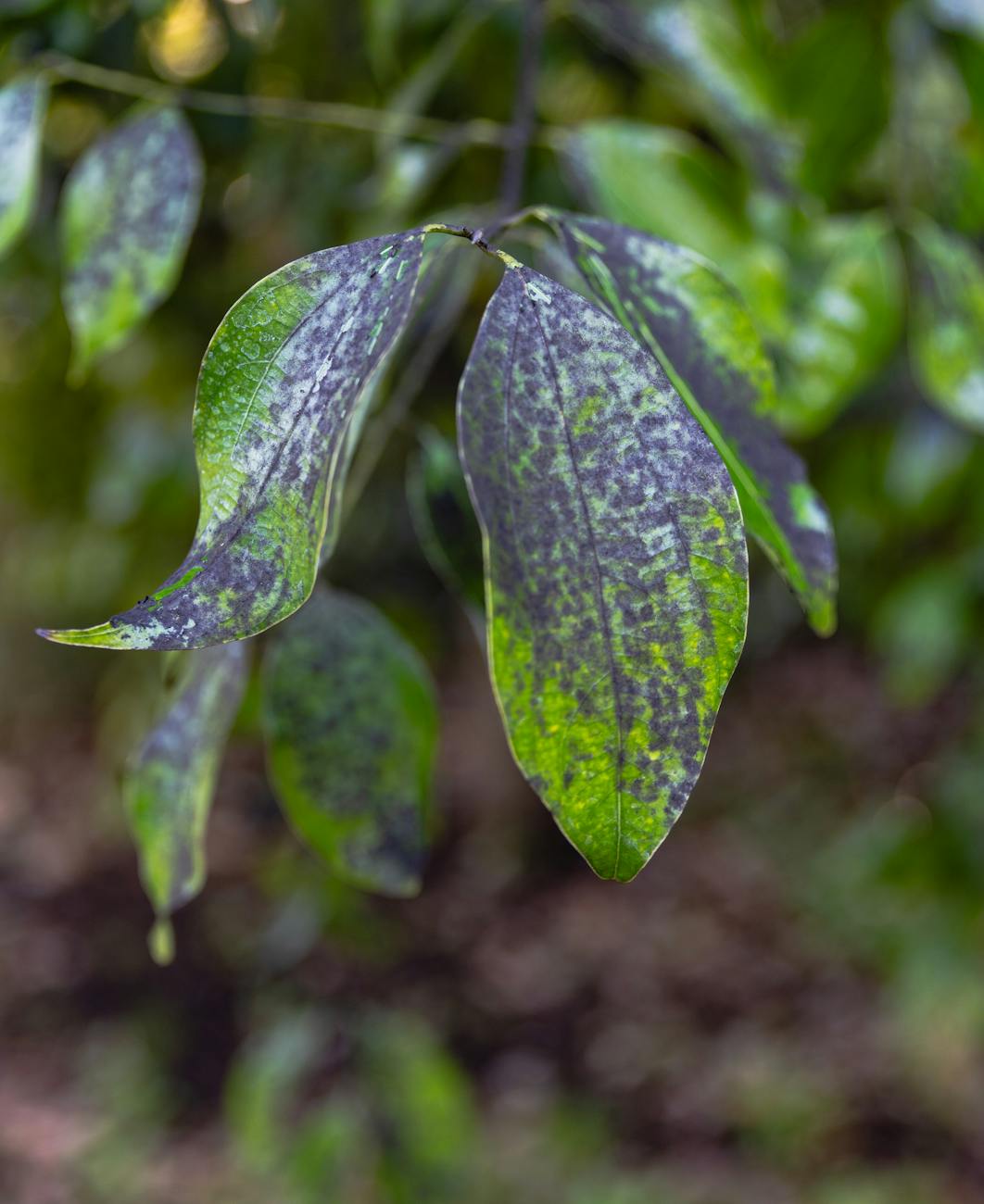
Powdery mildew, for instance, involves an external manifestation where the fungus forms a white, powdery growth on the leaf surface. This is typically caused by species like Erysiphe or Podosphaera, and its development is strongly correlated with insufficient air movement, which prevents the evaporative cooling necessary to suppress fungal growth rates. Conversely, blight diseases, often caused by Phytophthora or various Botrytis species, involve more systemic infections where the pathogen attacks vascular systems or fruit structures directly. These internal assaults cause wilting and eventual tissue necrosis, fundamentally compromising the plant’s ability to sustain itself.
Identifying Common Fungal Threats in City Gardens
Accurate identification is the critical first step before applying any intervention. Misdiagnosing a fungal issue can result in applying ineffective treatments that waste resources and allow the infection to spread further unchecked. We must analyze the visual evidence alongside the physical context of the garden setup.
Powdery mildew presents as a dusty, chalky appearance on foliage. The infection typically appears first on the youngest leaves or areas shielded from direct sun, where moisture retention is highest. Blight symptoms often manifest as dark, water-soaked spots that eventually turn brown and necrotic, frequently appearing on stems or developing fruit. Observing the pattern of spread helps us map the pathogen’s progression across the garden space.
Understanding these visual cues allows for targeted intervention strategies. For example, if you notice widespread white dust covering the undersides of leaves, the immediate focus shifts to improving air circulation around those specific plants. If you see dark lesions on developing tomatoes or peppers, the focus must pivot toward managing soil moisture and ensuring proper drainage. This analytical approach prevents generalized, indiscriminate treatment protocols.
Environmental Controls: Engineering a Fungal-Resistant Space
Since fungal proliferation is inherently linked to environmental conditions, manipulating the microclimate of an urban garden offers powerful preventative measures. We are not just treating symptoms; we are engineering a hostile environment for the pathogen to survive and propagate. This involves managing moisture, light exposure, and air movement with precision.
Managing Humidity and Airflow Dynamics
High relative humidity levels are the primary drivers enabling fungal spore germination across plant surfaces. In dense urban settings, trapped, stagnant air becomes an incubator, especially in container gardening where the root zone remains perpetually damp. We must actively introduce airflow. Placing plants closer together exacerbates this problem; therefore, spacing is paramount. Analyzing the relationship between plant density and disease incidence reveals a direct correlation: tighter packing increases the risk of fungal spread by impeding evaporative cooling from the leaves.
Introducing strategic vertical structures directly addresses space constraints while simultaneously improving air circulation paths. Vertical gardening, for example, utilizes stacked containers to allow plants to grow upward and create gaps between layers, facilitating airflow across the entire canopy. This physical separation interrupts the continuous layer of humid air that fosters infection. We observe that maximizing the exposure of foliage to ambient air accelerates drying rates, which naturally inhibits fungal growth cycles.
Optimizing Light Exposure for Healthier Growth
Light intensity plays a crucial role in plant physiology, and this directly impacts their systemic resistance to disease. Plants grown under optimal light conditions often develop stronger cell walls and more robust photosynthetic machinery capable of mounting effective defense responses against opportunistic pathogens. Insufficient light can cause plants to become etiolated or stressed, making them physiologically weaker targets for fungal colonization.
When selecting placement for your containers, consider the specific light demands of your chosen species. Plants requiring intense, direct sunlight will benefit from unobstructed exposure, promoting high rates of transpiration and better internal regulation. Conversely, plants grown in shadier spots might require supplemental care to maintain the necessary metabolic energy to resist infection. We see that a plant operating at peak photosynthetic efficiency has superior resources to allocate toward defense mechanisms against fungal invaders.
Soil Health and Water Management Protocols
The substrate environment dictates much of the water dynamics within the root zone, which is where most initial fungal colonization begins. Poorly draining, compacted soil retains excess moisture for extended periods, creating a perpetually wet environment that favors pathogenic activity. We analyze soil composition to determine its capacity to manage water flow effectively.
Incorporating organic matter, such as compost, into urban garden soil significantly alters the substrate’s physical properties. Organic material acts like a sponge, absorbing and slowly releasing water, thereby reducing the risk of saturated conditions around the roots while still maintaining adequate hydration for plant uptake. This process manages the moisture gradient effectively, keeping the root environment less conducive to fungal mycelial growth. Furthermore, implementing drip irrigation or self-watering systems provides precise control over where moisture is delivered, minimizing unnecessary surface saturation that invites disease development.
Implementing Organic Treatment Strategies Effectively
When preventative environmental controls are established, direct intervention against established infections requires selecting treatments that work harmoniously with the garden’s overall biological balance. Organic solutions focus on disrupting fungal metabolism without broadly harming beneficial microbial populations essential for soil health.
Targeted Fungicide Selection and Application
Treatments must be applied judiciously, targeting the fungal biomass directly while minimizing impact on the host plant tissues or surrounding beneficial microorganisms. For mild infections like powdery mildew, treatments based on horticultural oils or baking soda solutions can effectively disrupt spore germination when applied proactively. These methods work by physically interfering with the surface environment where spores land and germinate.
For more established or severe blight, systemic organic fungicides must be selected based on their mechanism of action. Understanding the specific fungal species present in your area informs the selection process. Applying broad-spectrum agents indiscriminately is counterproductive; instead, we focus on compounds that exhibit high efficacy against the target pathogen while demonstrating low toxicity to beneficial arthropods and soil biota. The application method itself matters immensely; proper coverage ensures the active agent reaches the point of infection.
Cultivating a Resilient Garden Ecosystem
A truly resilient urban garden functions as an interconnected ecosystem where diverse life forms compete and cooperate. This ecological perspective shifts the focus from eradicating a single pest to strengthening the entire biological community. Healthier soil, robust plant health, and balanced microbial activity create a natural barrier against opportunistic fungal outbreaks.
Promoting biodiversity supports this resilience. Intercropping different plant types creates varied root systems and canopy structures that influence local humidity levels in complex ways. When plants are diverse, they offer a more stable resource base for the entire microbial community to thrive. This synergistic approach means that rather than relying solely on chemical intervention, we encourage the garden itself to maintain a state of dynamic equilibrium where fungal pressures are naturally mitigated by robust plant health and balanced environmental management.
Tags: fungal diseases, urban gardening, powdery mildew, garden treatment, small space gardening, organic gardening, plant disease
Featured Image by Robert So on Pexels.