
Optimizing Space: The Mechanics of Vertical Vegetable Gardening
The constraint of limited horizontal space on urban balconies and patios necessitates a fundamental shift in horticultural strategy. We move away from traditional row planting toward vertical cultivation systems, specifically vertical vegetable gardening, to exploit three-dimensional real estate. This approach is not merely aesthetic; it is an exercise in maximizing photosynthetic surface area within a constrained footprint. Our analysis shows that by stacking plants, we increase the density of edible biomass per square meter of floor space, directly addressing the scarcity inherent in dense urban environments.
This methodology transforms vertical surfaces—walls, railings, or freestanding structures—into productive growing planes. The mechanism at play is the efficient utilization of light exposure and root substrate volume. When plants are stacked vertically, they minimize ground-level competition for resources while maximizing exposure to ambient light throughout the day. We observe that this configuration mitigates shading effects that often plague densely planted horizontal beds.
Structural Considerations for Vertical Systems
Designing a successful tower system requires understanding load-bearing capacity and water management from the outset. The structural integrity of the tower dictates its longevity and the health of the plants it supports. We must assess the material—be it reclaimed wood, sturdy metal shelving, or custom-built composite structures—against the weight of saturated soil and moisture. Poor structural choices lead to inevitable failure, regardless of how well the plants are cared for.
We project that materials with high tensile strength and appropriate drainage channels perform best. Consider the water dynamics; excess water pooling at the base can cause root rot, a common pitfall in container gardening. Therefore, every vertical system must incorporate an integrated, multi-tiered drainage strategy. This means designing channels or integrated reservoirs within the structure itself to capture runoff rather than allowing it to accumulate at the base level where roots reside.
Selecting Appropriate Growing Media
The substrate is the medium through which nutrient exchange occurs. In a vertical setup, the soil volume per plant pot is significantly reduced compared to in-ground gardening; consequently, the quality and composition of the growing medium become paramount determinants of yield. Standard garden soil, when used directly in shallow containers, often compacts excessively, restricting aeration and root penetration.
We see substantial benefit when amending standard potting mixes with organic matter rich in microbial life. Introducing materials like worm castings or leaf mold fundamentally alters the substrate’s physical structure. These amendments provide a slow-release mechanism for essential micronutrients while simultaneously improving water retention capacity without sacrificing necessary porosity. For instance, incorporating well-decomposed organic matter ensures that the limited volume of soil maintains an optimal balance between water holding capacity and gaseous exchange, which is critical for root respiration in confined spaces. Referencing guides on amending poor city soils, such as those utilizing worm castings or leaf mold, demonstrates how this process optimizes nutrient availability when space is at a premium.
Maximizing Light Penetration and Exposure
Light is the primary energy source driving photosynthesis, and in vertical systems, managing light distribution across multiple tiers becomes a critical engineering task. Plants positioned higher up receive intense direct light, while those lower down experience shading. This differential exposure means that plant selection and positioning must be deliberate calculations based on light intensity profiles.
We observe that taller, more demanding crops should occupy the uppermost levels where light intensity is highest and most consistent throughout the peak daylight hours. Shorter-statured herbs or leafy greens can tolerate slightly less direct intensity near the base. Proper container rotation also plays a role; ensuring that plants are periodically moved within the structure prevents self-shading, allowing for even distribution of photons across the entire growing surface area. Analyzing sun path data allows us to map these zones precisely before planting commences.
System Design: From Concept to Cultivation
The transition from an abstract idea of vertical gardening to a functioning system involves concrete engineering and cultivation planning. Successful implementation hinges on selecting the right structure, determining plant placement based on light requirements, and establishing an efficient water delivery mechanism. We move beyond simple stacking; we are designing an integrated micro-ecosystem.
Choosing the Right Tower Architecture
The architectural choice dictates the operational parameters of the entire system. A freestanding tower offers flexibility but demands robust anchoring against wind shear, a significant factor in exposed urban settings. Conversely, wall-mounted systems offer excellent space-saving potential but demand meticulous assessment of the mounting surface’s load capacity. We must calculate the total anticipated weight—including saturated soil, water reservoirs, and plant biomass—before selecting fasteners or supports.
A key design consideration involves creating an efficient internal plumbing system. Gravity must be leveraged effectively to manage water flow from the top tier down to the base tiers without creating stagnant pockets or relying on external pumps. Designing channels that facilitate slow, controlled seepage rather than rapid overflow is essential for maintaining consistent moisture levels across all strata. This level of planning separates a hobby experiment from a sustainable growing operation.
Cultivating Specific Plant Profiles
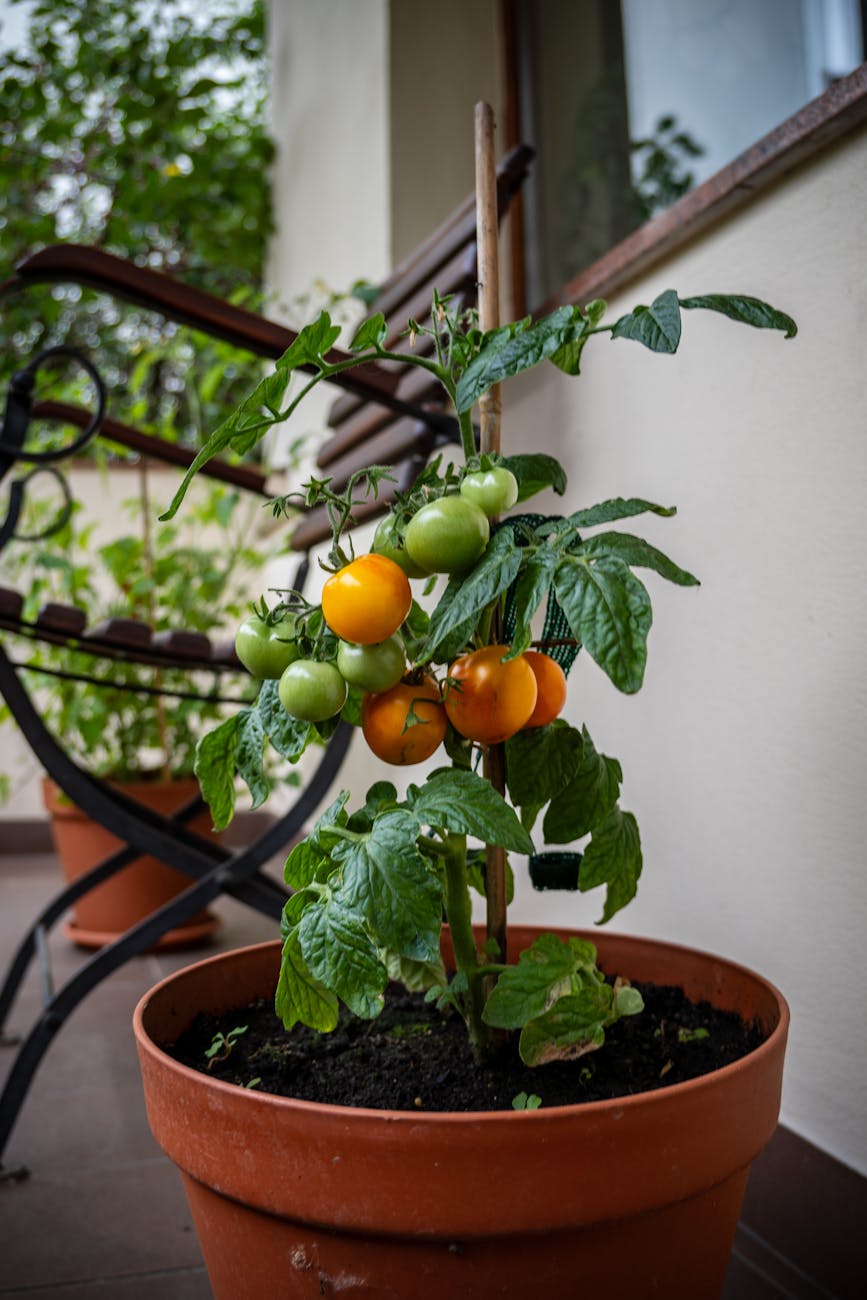
Not all vegetables thrive equally in vertically constrained environments; plant physiology dictates successful placement. Certain crops demand significantly more light energy and root volume than others. Tomatoes, for example, require substantial support and deep root systems to develop fruit effectively, making them potentially better suited for larger, more robust tower structures that can accommodate deeper substrate layers.
In contrast, lettuce, spinach, and certain herbs perform well in shallower, less resource-intensive setups. Understanding the growth habit is crucial. We must align plant profiles with physical constraints. Observing how plants respond to light exposure—their phototropism—helps us place them optimally. When planning for maximum yield from a vertical system, we intentionally prioritize species that thrive under the specific light gradients created by the tower structure.
Nutrient Cycling and Maintenance Protocols
Once the physical structure is established, the focus shifts to maintaining the biological health of the plants through precise nutrient management. Because the substrate volume is limited in vertical systems, nutrient depletion occurs faster than in larger beds; therefore, feeding protocols must be more frequent and targeted. We observe that the concentrated root mass requires consistent replenishment of soluble minerals.
Implementing a regular feeding schedule ensures that nutrients are available when plant uptake rates peak. Monitoring the runoff water provides an immediate feedback mechanism on drainage efficiency and potential nutrient leaching. This iterative process—observing moisture levels, assessing plant vigor, and adjusting feeding frequency—is the core of managing high-density urban cultivation successfully. When we manage the input and output cycles with this level of technical precision, the system functions as a self-regulating entity.
Tags: urban gardening, balcony gardening, small space gardening, vertical gardening, container gardening, apartment gardening, vegetable towers
Featured Image by Michał Robak on Pexels.