
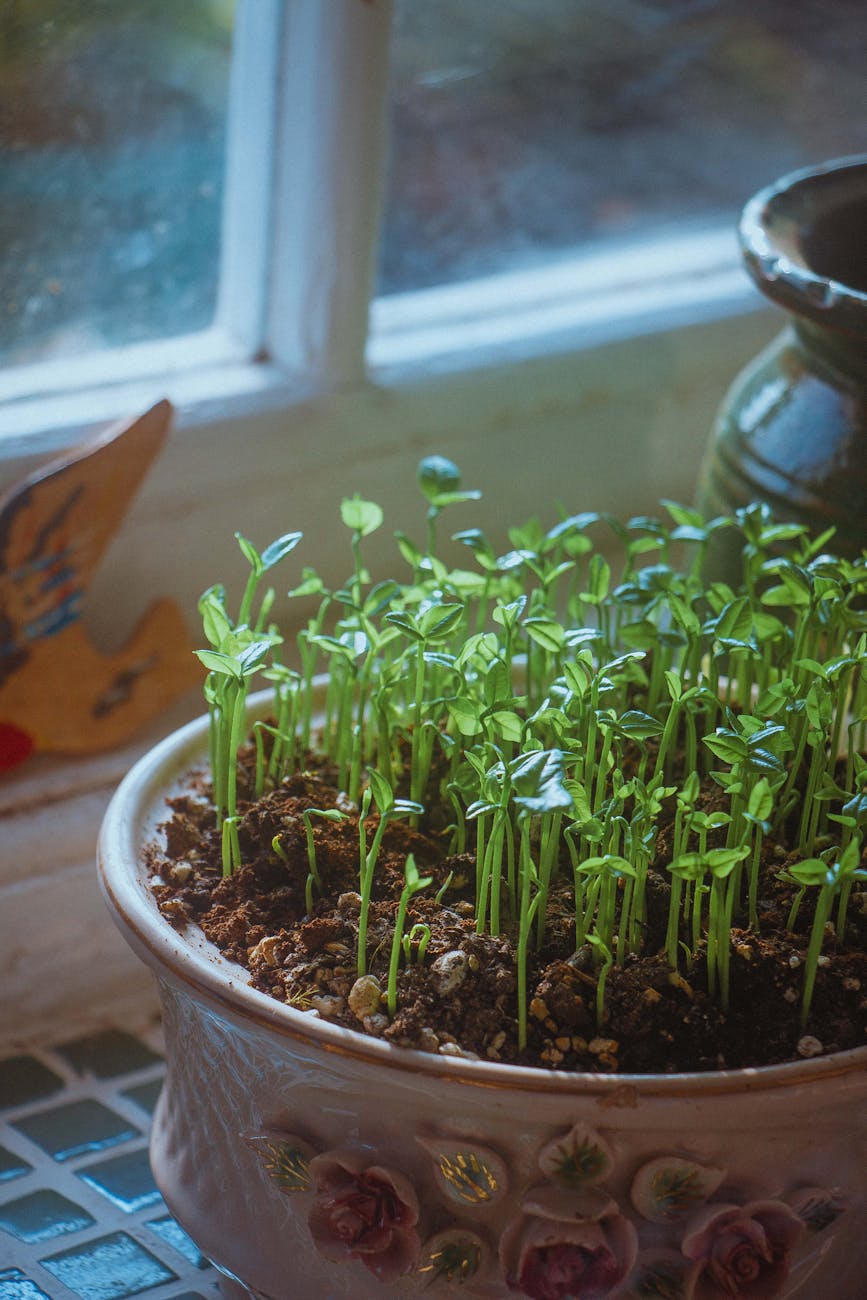
Mastering the Germination Phase for Successful Indoor Seed Starting
Starting seeds indoors is the foundational step for anyone engaging in small urban gardening, a process where we control environmental variables to force dormant seeds into active growth. This phase demands precision because the conditions inside a home or small space are inherently less stable than an outdoor environment. We are essentially creating a microclimate, and understanding the mechanics of seed viability and germination response is paramount before any physical planting occurs.
We observe from the data that successful indoor seed starting relies entirely on establishing consistent parameters: temperature, moisture, and light intensity. These variables dictate the rate at which the seed coat ruptures and the embryonic root emerges. Mismanagement in any one area can stall the entire process, leading to prolonged delays or outright failure.
Establishing Optimal Environmental Parameters
The primary challenge in indoor starting is replicating the conditions required for seed dormancy release. Seeds require specific cues—primarily warmth and consistent moisture—to initiate metabolic activity. We must move beyond simple guesswork and establish measurable thresholds for our chosen seeds.
Temperature control is arguably the most critical factor. Most common vegetables germinate best when the soil temperature hovers between 70°F and 85°F, depending on the specific species. For lettuce or spinach, keeping the ambient air temperature stable in this range prevents chilling injury to the developing embryo. If temperatures drop too low, metabolic processes slow drastically, effectively freezing the germination clock. We manage this by utilizing heat mats or carefully positioned grow lights, which function as thermal regulators for the immediate soil environment.
Moisture management requires a different approach. The substrate must remain consistently moist but never waterlogged. Overwatering introduces anaerobic conditions, creating an environment ripe for fungal pathogens to colonize the developing roots. Our analysis shows that the optimal moisture content is about 60% saturation; allowing the top layer of substrate to feel damp, rather than saturated, signals the right hydration level for seed absorption without suffocating the roots.
Light Spectrum and Intensity Mechanics
Light provides the necessary energy for photosynthesis, driving the growth mechanism from simple dormancy to active sprout development. Indoor environments present unique challenges regarding light quality. Standard household lighting often lacks the specific spectral output required for vigorous seedling growth.
We need full-spectrum lighting. This means ensuring the light source delivers the correct balance of blue and red wavelengths. Blue light stimulates stem elongation and chlorophyll production, while red light influences flowering and overall biomass accumulation. The intensity must also be calibrated precisely to the distance from the light source; too little light results in weak, spindly seedlings that are easily damaged later, whereas excessive intensity can scorch delicate new leaves if not properly diffused. Setting up a controlled grow tent or using specialized LED grow lights allows us to dictate these spectral ratios exactly.
Substrate Selection and Potting Protocols
The medium surrounding the seed is not merely a passive container; it is an active participant in nutrient and moisture delivery. Using standard garden soil indoors often introduces compaction issues, hindering root respiration and water penetration. Therefore, we select specialized potting mixes for indoor seed starting.
These mixtures must possess excellent aeration characteristics. A good indoor mix incorporates materials like perlite or coarse vermiculite to create air pockets, which prevents the substrate from becoming a dense, water-retentive mass. This porosity allows oxygen exchange to reach the developing roots effectively. We observe that poor drainage leads directly to root rot, which is a common pitfall for beginners.
Pot size also matters significantly in this phase. Starting seeds too tightly constricts the initial root development, creating stress on the emerging plant. Providing sufficient volume allows the roots room to explore and establish their initial anchoring system before transplanting into larger containers later. We aim for pots that are just large enough to comfortably accommodate the seed without excessive wasted substrate space.
The Process of Sowing and Initial Care
The actual sowing technique determines the success rate. Seeds must be placed at the correct depth, usually just beneath the surface of the moistened medium. Depth variation can affect the initial emergence angle and the subsequent root structure.
Once sown, the environment requires meticulous monitoring over several weeks. Changes in light intensity or temperature fluctuations necessitate immediate adjustment of the heating system or light positioning. We track germination rates daily by observing the first signs of emergence. A consistent rate of germination confirms that the environmental setup is stable and conducive to growth. If germination stalls after a week, we analyze the previous cycle; often this points toward insufficient warmth or poor moisture retention rather than seed failure itself.
Managing Early Development Stressors
As seedlings emerge, they transition from relying on seed reserves to actively photosynthesizing. This phase introduces new potential stressors that must be managed proactively. One significant threat is environmental imbalance causing root stress, which makes the plant vulnerable to secondary infections.
We must monitor the substrate for signs of microbial distress. If the potting mix remains persistently damp despite careful attention to watering schedules, we need to investigate fungal risks. Understanding how microbes interact with moist environments is key; recognizing symptoms of over-saturation allows intervention before widespread damage occurs. For instance, if you notice signs of root rot or discoloration, research on managing fungal infections in urban gardens can offer diagnostic insight into the environmental stressors at play.
Preparing for Transition to Growth
The goal of indoor seed starting is not just germination; it is producing robust, healthy seedlings ready for the next stage. This transition requires a gradual increase in resources as the plants develop foliage. The substrate must be rich enough to support this increased demand without introducing excessive mineral salts that could burn the tender new roots.
When transitioning, we move from high-moisture starting media to slightly more structured potting mixes as the seedlings begin to unfurl their true leaves. This slow escalation ensures that the plants develop resilience before exposure to potentially harsher conditions. Think about what will surround these young plants. If you plan on using companion planting techniques later, choosing a substrate that supports healthy microbial life is beneficial for long-term health.
Connecting Indoor Start to Outdoor Success
The experience gained during indoor seed starting directly influences success when moving to an outdoor urban garden setting. The seedlings emerging from controlled indoor conditions are acclimated to consistent water and light cycles, making the transition smoother. We have successfully manipulated the initial growth triggers indoors, establishing a baseline of health for these plants before they face the unpredictability of outdoor variables like sudden temperature shifts or variable sunlight exposure throughout the day.
When planning larger plantings, considering symbiotic relationships between plants becomes an added layer of strategy. Understanding how different species interact can optimize space and yield within a small urban footprint. Exploring companion planting techniques for bigger yields in small urban gardens allows us to leverage the established health of our indoor starts into a more productive outdoor ecosystem. This holistic approach connects the controlled environment of starting seeds to the productive reality of the garden itself.
Tags: indoor gardening, seed starting, urban gardening, beginner gardening, indoor seeds, small space gardening, seedlings
Featured Image by TIVASEE . on Pexels.