
Maximizing Yields in Constrained Urban Spaces
The decision to engage in small-scale urban gardening is fundamentally a negotiation between spatial limitation and desired caloric output. When focusing on easy vegetables for small balconies, we are not simply planting seeds; we are engineering a micro-ecosystem where resource efficiency dictates success. Observing the constraints of balcony environments, we see that maximizing yield per square foot requires selecting cultivars and growing methods that minimize water demand while maximizing light interception. This process demands an understanding of plant physiology applied directly to container horticulture.
Selecting High-Efficiency Cultivars for Limited Footprints
We must select plants whose growth patterns are compact and whose root systems do not aggressively compete with the limited substrate depth provided by standard balcony containers. For instance, leafy greens offer superior biomass production relative to their spatial footprint compared to fruiting vegetables that demand deep soil and substantial support structures. We observe that certain varieties exhibit faster maturation cycles, allowing for multiple harvests within a single growing season, which is critical when managing the variable light exposure common on balconies.
Spinach, kale, and Swiss chard emerge as prime examples in this context. These plants thrive in moderate container sizes and tolerate slightly less intensive soil management than root vegetables. Their shallow root systems adapt well to the constraints of potting mix, allowing nutrient uptake to be optimized efficiently within the limited volume. Consider the mechanism of light utilization; these greens effectively utilize diffuse light patterns that often characterize balcony settings, whereas tomatoes or peppers require intense, direct solar exposure to achieve optimal photosynthetic rates.
The Mechanics of Growing Root-to-Stem Vegetables
When selecting easy vegetables for small balconies, we focus on systems that minimize complex structural support requirements. Root vegetables like radishes and small carrots present an initial challenge regarding soil depth, yet their rapid growth cycle offsets this limitation. We must manage the substrate carefully to prevent root circling, which constricts future growth potential. This is where the quality of the growing medium becomes a critical variable in our analysis. Using a well-draining, peat-based mix, potentially amended with organic matter derived from composting efforts, ensures that water penetration remains optimal while providing necessary anchorage for development.
The process of feeding these systems requires precision. Since space is limited, nutrient depletion occurs rapidly if the system is not managed proactively. We see that supplementing with slow-release organic amendments helps maintain the necessary mineral balance without requiring constant, intensive intervention. For container gardens specifically, understanding how nutrients cycle within the pot is essential for sustained productivity. Exploring methods like DIY Vermicompost Tea: Liquid Fertilizer for Container Gardens can provide a readily available, balanced nutrient solution directly to the roots, bypassing the need for complex soil testing in a small-scale setup.
Optimizing Container Selection and Substrate Interaction
The physical vessel itself plays a significant role in the success of these small-space gardens. The material chosen dictates water retention rates and thermal conductivity, which directly influences root health. We analyze the trade-offs between various container materials when designing systems for balconies. Terracotta allows for excellent breathability, permitting evaporative cooling, yet it dries out faster, demanding more frequent irrigation cycles. Plastic offers superior water retention but can lead to substrate overheating in direct sun exposure. Fabric grow bags present a compromise, offering flexibility and good aeration, although their long-term structural stability requires careful material selection to prevent degradation from UV exposure.
The choice of container dictates the relationship between the plant’s water needs and the gardener’s management routine. A heavier, more porous container necessitates a stricter understanding of substrate moisture levels. We must account for how these materials interact with the chosen growing medium. For instance, if using heavy plastic, ensuring the substrate has excellent drainage becomes an absolute prerequisite to prevent root rot, a common failure point in small-scale horticulture. Understanding this physical interaction moves gardening from mere planting to applied material science.
Managing Water and Nutrient Flow
Water management on a balcony demands an attentive approach because containers experience significantly higher evaporative loss than in-ground gardens. The rate at which water transpires from the soil surface directly correlates with the frequency required for irrigation. We observe that consistent, gentle watering is more beneficial than infrequent, heavy soaking. This promotes deeper root penetration and encourages the development of stronger vascular systems capable of handling minor environmental stresses.
When plants are thriving in small spaces, they often demonstrate a higher sensitivity to nutrient imbalances. Since we cannot rely on large soil volumes to buffer deficiencies, the nutrient solution delivered must be precise. Over-fertilization, especially with high-nitrogen feeds, can lead to lush foliage growth but ultimately result in stunted fruiting or compromised plant defenses. The analytical approach suggests that focusing on building robust microbial life within the container—perhaps through feeding organic matter—supports a more resilient system overall.
Practical Implementation: Five Go-To Choices for Balcony Growers
The selection of easy vegetables for small balconies is ultimately about matching crop requirements with spatial realities. We focus here on those plants that exhibit high yield density and manageable growth profiles suitable for container life.
1. Leafy Greens (Spinach, Kale)
These crops demonstrate exceptional efficiency because they prioritize above-ground biomass rather than deep root development. Their rapid turnover means the gardener can continuously harvest new material, maximizing the utilization of limited vertical space throughout the season. They tolerate moderate container sizes and adapt well to slightly fluctuating water conditions, making them ideal for novice balcony gardeners.
2. Radishes
Radishes offer an unparalleled speed-to-harvest ratio. Their short growth cycle means that the time between planting and first harvest is drastically reduced, providing immediate feedback on the growing process. This rapid maturation compensates effectively for the constraints of small containers. We see this as a highly rewarding entry point into container vegetable cultivation.
3. Bush Beans
Bush varieties are superior to pole varieties for balcony settings because they do not require extensive vertical trellising support, simplifying the structural requirements significantly. They establish a robust root system that can effectively manage water and nutrients within standard container depths, providing substantial yield from a relatively compact area.
4. Cherry Tomatoes (Dwarf Varieties)
While tomatoes demand more attention than greens, dwarf or patio varieties are manageable. The key here is selecting determinate varieties known for predictable growth patterns. We must allocate adequate light exposure, as this remains the most significant limiting factor for fruiting success in a balcony environment. Careful positioning ensures that the plant receives sufficient photons to initiate the necessary flowering and ripening mechanisms effectively.
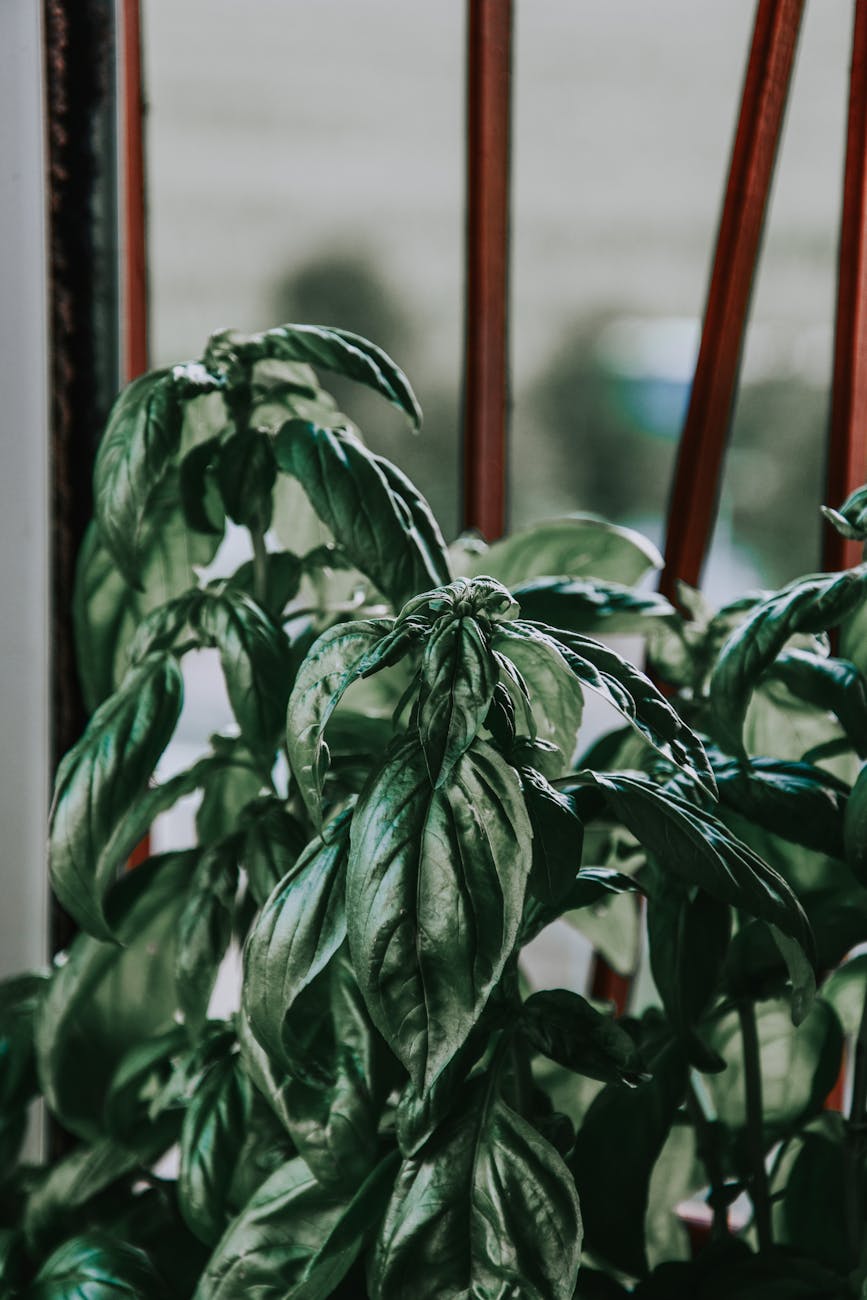
5. Herbs (Basil, Mint)
Herbs function excellently in small spaces because their root systems are shallow and they thrive with less intense soil depth than many vegetables. Basil and mint require consistent moisture but tolerate slightly higher water levels, provided drainage is never compromised. They provide immediate sensory reward and contribute to the overall aesthetic and functional yield of the urban garden.
The successful execution of this gardening strategy relies on treating the balcony not as a mere extension of the ground, but as a unique micro-environment demanding specific material and process considerations. By applying analytical rigor to container choice, substrate management, and cultivar selection, we transition from hopeful planting to predictable, high-yield food production.
Tags: urban gardening, balcony gardening, small space gardening, beginner gardening, container gardening, vegetable gardening, balcony plants
Featured Image by Diana ✨ on Pexels.