
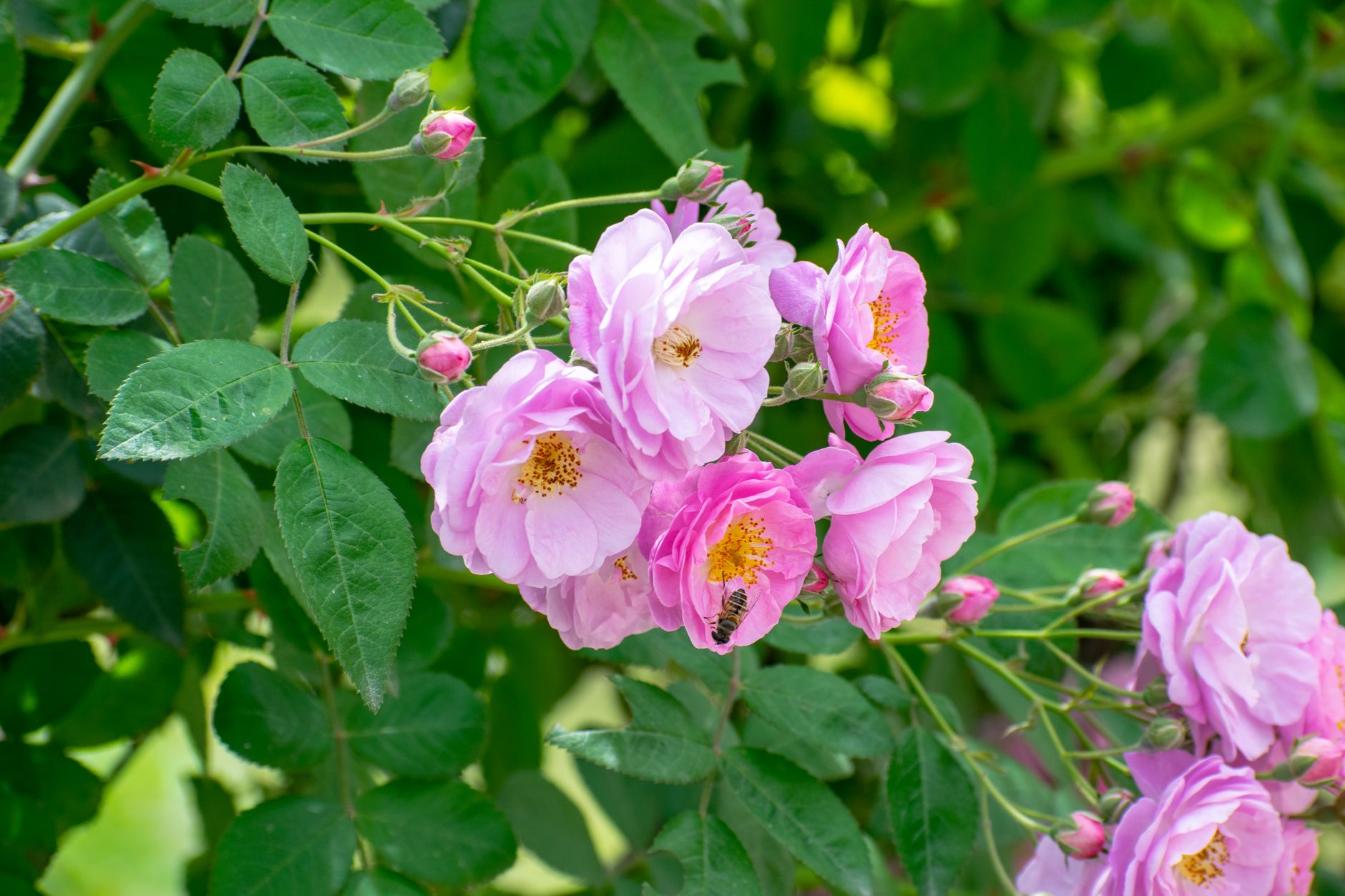
The Mechanism of Scent: Engineering Pollinator Attraction on Your Balcony
The goal when cultivating a small urban space is not just aesthetics; it is establishing an ecological interaction. We are attempting to engineer a micro-ecosystem where plant selection directly influences insect behavior, and the resulting sensory output—the fragrance—acts as a critical signaling mechanism for beneficial pollinators. Understanding this process shifts gardening from simple placement into applied ethobotany.
We observe that specific volatile organic compounds (VOCs) emitted by certain flowering species act as chemical lures. Bees, butterflies, and other insects rely heavily on olfaction to locate nectar sources and mates. When selecting plants for your balcony, we must prioritize those whose bloom structure maximizes exposure and scent dispersal in the ambient air currents of your specific microclimate. This requires moving beyond simple plant preference and engaging with the chemistry of flowering plants themselves.
Decoding Floral Volatiles for Pollinator Engagement
The fragrance we perceive is a complex blend of terpenes, aldehydes, and esters. These chemical signatures are the communication system between the flower and the pollinator. Some flowers emit strong, sweet scents that signal high-energy nectar rewards, while others produce subtle, more complex aromas that attract specialized insect guilds. Our analysis suggests that maximizing the density and duration of these scent plumes is paramount for successful pollination events.
For instance, plants rich in specific aromatic compounds provide a higher signaling intensity over a longer period. This sustained signal keeps pollinators engaged in the immediate vicinity, increasing the probability of successful pollen transfer. We examine species known for high concentrations of linalool or benzyl acetate, which are frequently noted attractants across various insect orders. Ignoring this chemical reality means accepting a lower success rate for your pollination efforts.
Selecting Species with Targeted Fragrance Profiles
When assembling a collection of fragrant balcony flowers, we must assess the specific olfactory profile each plant offers against the local pollinator population density. A general rule exists: plants that offer a continuous bloom cycle maximize resource availability for insects throughout the season, rather than providing a single, intense burst.
Consider lavender or certain varieties of rose. These species deploy strong, easily detectable scents that cut through ambient noise. This acts as an effective long-distance beacon, drawing in pollinators from a greater radius. Conversely, some highly scented plants may attract generalist pollinators but fail to signal the specific nutritional quality required by specialized native bee populations. We need to move toward intentional biodiversity, selecting plants based on their proven capacity to support local insect guilds.
Optimizing Plant Placement for Scent Diffusion
The physical arrangement of your balcony profoundly modifies the scent experience. Airflow is a critical variable in this equation. Stagnant air traps VOCs near the source, creating an intense but localized scent bubble that may not effectively communicate across the entire space. We need to engineer airflow dynamics.
Positioning flowering plants so they are exposed to prevailing breezes allows their volatile emissions to diffuse more broadly. This mechanism ensures that potential pollinators encounter the scent signal regardless of their exact location on the balcony. Furthermore, proximity matters; placing strong scent emitters near potential landing or foraging spots increases the probability of interaction. We must use the physical architecture of the balcony—railings, walls, and open spaces—to facilitate this scent dispersal process.
Container Selection and Root Health Synergy
The physical medium in which a plant grows directly impacts its ability to produce necessary chemical signals. Poor drainage or nutrient deficiency leads to stressed plants that produce weak, infrequent scents. We must link container choice with plant performance.
Choosing the right substrate is not merely about drainage; it is about root health, which dictates nutrient uptake and subsequent flowering vigor. When selecting containers for small urban gardens, we observe that using appropriate, well-draining potting mixes prevents root rot, allowing the plant to allocate energy toward producing high-quality floral volatiles instead of fighting osmotic stress. This synergy between the growing medium and the plant physiology is essential groundwork before scent attraction can take effect effectively.
We see a strong correlation between robust root systems and sustained fragrance output. If the roots are compromised, the plant cannot sustain the metabolic demands required to synthesize the complex aromatic molecules that attract pollinators.
Cultivating Resilience: From Seed to Scent
The initial phase of gardening requires managing the stress associated with transition. Starting seeds indoors successfully is a prerequisite for maximizing outdoor success. When we manage the early developmental stages meticulously, we ensure the plant has sufficient energy reserves before facing the environmental pressures of outdoor growth and pollinator interaction.
When starting seeds indoors, the goal shifts to providing optimal conditions for initial cellular expansion. Proper light intensity and consistent moisture levels allow the plant’s internal biochemical pathways to initiate the production of essential proteins and secondary metabolites, including those that form the basis of floral fragrance. Neglecting this early phase introduces systemic fragility into the eventual outdoor display.
Beyond Attraction: Creating a Pollinator Corridor
The ultimate objective extends beyond simply attracting individual insects; it involves creating an interconnected habitat. A cluster of diverse, fragrant plants creates a richer resource matrix than a single monoculture bloom. This diversity ensures that various pollinator species find appropriate nutritional and reproductive opportunities throughout the growing season.
We analyze how layering different plant textures and scent intensities builds a functional corridor. Imagine placing tall, scented herbs near lower-growing, nectar-rich annuals. This creates vertical strata of resource availability, guiding pollinators through the space rather than simply attracting them to a single point. This layered approach maximizes the spatial utility of the limited balcony footprint while enhancing ecological function.
We are not just planting pretty things; we are designing an invitation system. By focusing on the chemical signaling inherent in fragrant balcony flowers, and by engineering the physical environment for optimal scent diffusion, we move from passive decoration to active ecological contribution within the urban setting. The resulting garden becomes a functioning node in the local pollinator network.
Tags: balcony gardening, pollinator garden, fragrant plants, urban gardening, scent garden, balcony flowers, pollinator attraction
Featured Image by Rajesh S Balouria on Pexels.