
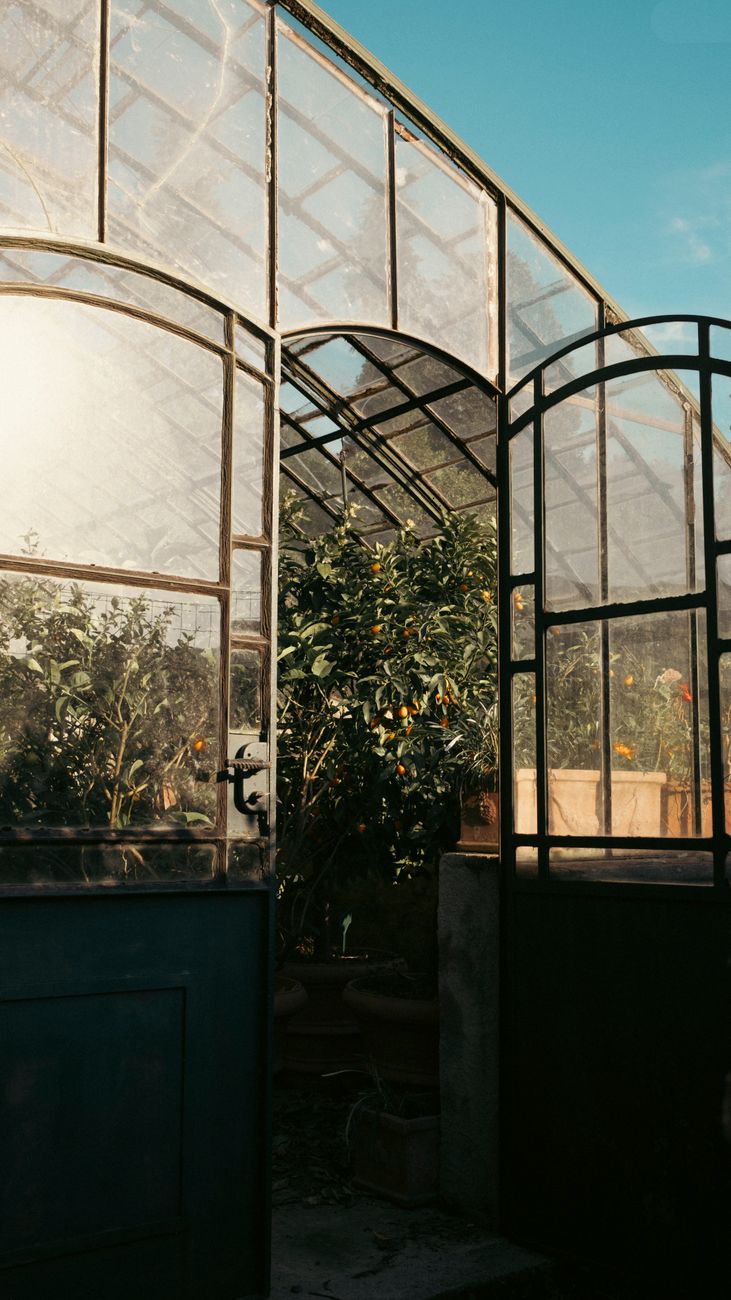
Decoding Your City Plot: Understanding Urban Gardening Microclimates
When we move gardening from rural fields to concrete environments, the variables shift entirely. The conditions that dictate plant health are no longer governed by broad regional weather patterns alone; they become intensely localized. We are observing a distinct phenomenon where the immediate surroundings of an urban garden create a unique set of environmental pressures, which we term the urban gardening microclimate. Understanding this specific environment is the foundational step for any successful cultivation effort in a city setting.
The thermal dynamics within a dense cityscape are profoundly different from open spaces. Buildings absorb and radiate heat in ways that significantly alter ground temperatures and air circulation patterns directly above and around garden plots. This differential heating creates pockets of intense warmth or prolonged cool, which directly impacts root respiration and water uptake rates. We must account for this localized energy transfer before selecting any plant species.
The Mechanism of Solar Exposure and Thermal Gradients
Sunlight is the primary energy source driving photosynthesis, yet its intensity varies dramatically across a small balcony or a narrow alleyway. We analyze how structures influence solar exposure. A south-facing wall in a city setting might receive intense, direct solar radiation throughout the midday hours, leading to rapid surface temperature increases. Conversely, an area shaded by an adjacent skyscraper experiences significantly diffused light and lower ambient temperatures.
This variation dictates where specific plants can thrive. Tomatoes, for instance, require substantial cumulative daily sunlight—often six to eight hours of direct exposure—to initiate robust fruiting cycles. If your space is consistently shadowed by neighboring structures, you are operating under suboptimal conditions. This raises the question of light compensation points; plants attempt to maximize photosynthesis using lower light levels, which often results in leggier growth and reduced yield potential. We observe that plant physiology responds directly to these energy inputs.
Analyzing Shade: The Role of Canopy and Reflection
Shade is not merely the absence of direct sunlight; it involves the modulation of light intensity and temperature profiles. In urban settings, shade can be provided by architectural overhangs, neighboring foliage, or even temporary shading structures you implement yourself. The effect on a garden’s microclimate is tangible. Shaded areas exhibit lower evapotranspiration rates because the leaf surface temperatures are moderated, reducing water loss through transpiration.
Conversely, prolonged, intense afternoon sun exposure in unshaded containers can induce heat stress, causing root zone temperatures to spike above the optimal threshold for many vegetables. We see that managing shade allows the system to regulate its internal thermal balance more effectively. When planning container placement, assessing shading patterns is as critical as measuring sunlight duration.
Wind Patterns: The Unseen Force of Airflow
Air movement in an urban environment is rarely uniform. Buildings create channeling effects where wind speeds increase dramatically between structures, leading to unpredictable airflow across a garden area. These channels can accelerate evapotranspiration rates significantly, pulling moisture from the soil faster than plants can absorb it, potentially leading to rapid desiccation, especially for shallow-rooted plants.
Wind also dictates the rate of water loss and the physical stress on foliage. Strong, persistent winds increase mechanical stress on stems and leaves, requiring plants to allocate energy toward structural reinforcement rather than biomass production. When considering wind exposure, we must map the prevailing wind directions during peak growing seasons. Understanding these airflow dynamics allows us to position taller or more delicate plants where they can benefit from protective breezes rather than suffering from desiccating drafts.
Soil Temperature and Water Retention in Urban Settings
The thermal mass of urban materials—concrete, brick, and dense soil—affects how quickly soil temperatures fluctuate during the day and night cycles. These materials store heat, meaning that a garden plot exposed to intense afternoon sun will remain warmer longer into the evening than one situated in a shaded nook. This persistent warmth accelerates microbial activity and increases the rate of water evaporation from the topsoil layer.
This thermal variation directly links back to water management strategies. When soil temperatures are elevated due to poor insulation, the need for irrigation becomes more acute during peak heat. Furthermore, the texture and composition of the growing medium play a role in mitigating these effects. Using well-draining, organic-rich substrates allows for better thermal conductivity within the root zone, ensuring roots access stable moisture reserves despite external temperature swings. For container gardening, this principle is amplified because small volumes of soil respond much more rapidly to environmental changes than large agricultural fields do. We find that proper substrate selection, like choosing containers and appropriate soil mixes, directly influences the water balance in these confined spaces.
Optimizing Planting Based on Site Analysis
We use the principles of microclimate analysis to make specific cultivation decisions rather than relying on generalized gardening advice. If an area experiences intense, direct sun exposure for most of the day, we must select heat-tolerant varieties or implement intensive shading solutions like shade cloth. If the space is perpetually shaded but receives adequate diffused light, we focus on shade-tolerant greens and herbs where lower light intensity is sufficient for robust growth.
Consider the implications for container selection. A container placed in a high-heat zone requires materials with good thermal buffering capabilities, or you must employ aggressive watering schedules to compensate for rapid moisture loss. Conversely, a cooler, shadier location might be better suited for plants that thrive in cooler conditions, provided they still receive sufficient light penetration.
When planning layouts within a small urban space, the interplay between these three factors—sun intensity, shade availability, and wind exposure—must be mapped out first. This initial assessment dictates where different plant groups are placed to ensure synergistic growth rather than competitive stress. For instance, placing plants that require high light exposure in areas with poor airflow might necessitate supplemental watering strategies, perhaps by integrating systems like DIY Self-Watering Systems for Tiny Urban Containers to maintain consistent moisture levels despite variable evaporation rates caused by the microclimate shifts.
Mastering your urban gardening microclimate is about observing these physical interactions. It demands moving beyond simple placement and engaging with the physics of light, heat, and air movement that define your specific plot. This analytical approach transforms guesswork into a predictable system for achieving maximum plant yield and health in any city setting.
Tags: urban gardening, microclimate, container gardening, urban gardening tips, plant placement, gardening science, city gardening
Featured Image by Matteo Milan on Pexels.