
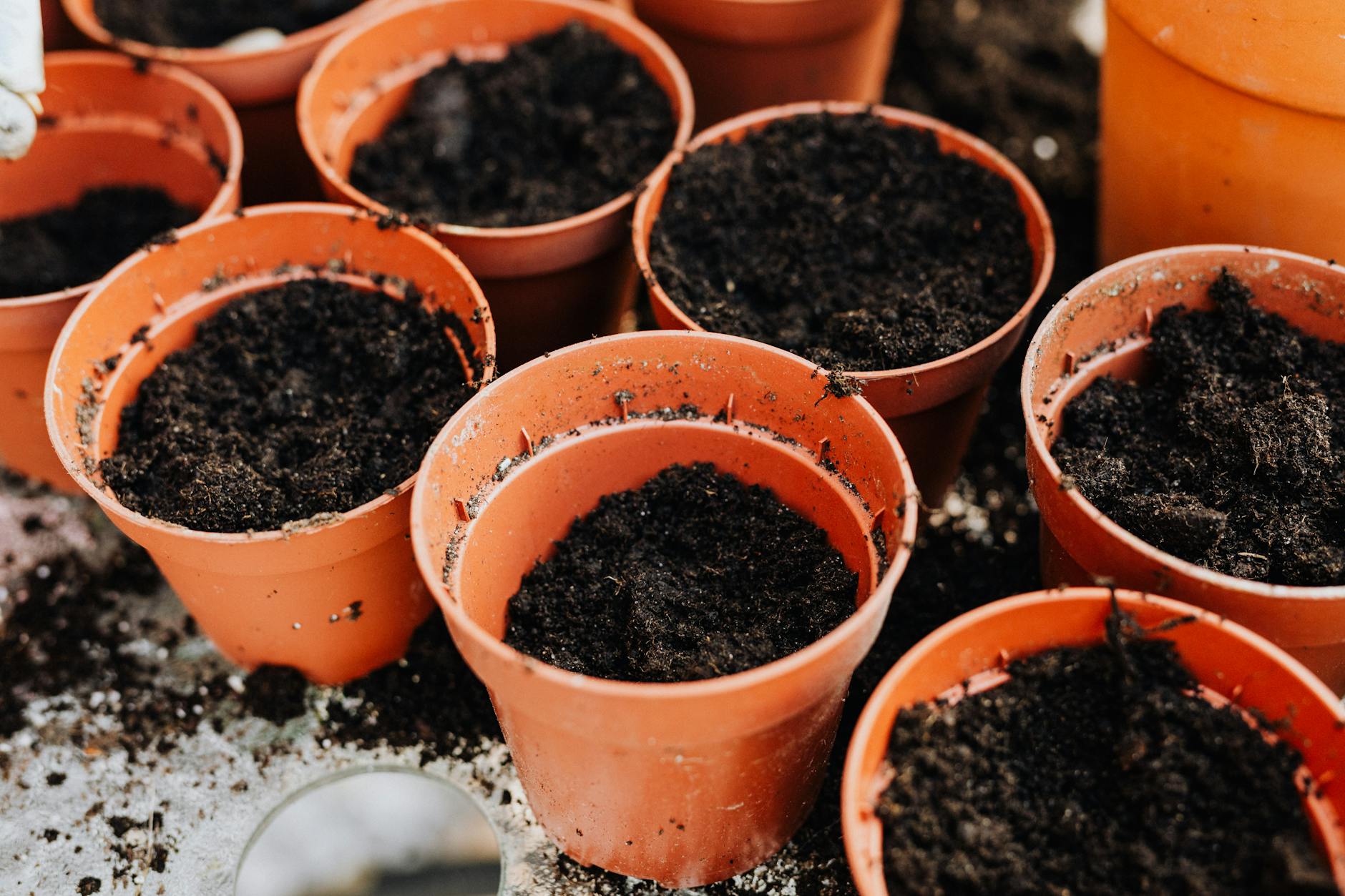
Selecting the Right Vessel for Container Gardening Vegetables
When initiating a small urban garden, the choice of container moves from a simple aesthetic decision to a critical engineering problem. The vessel dictates root aeration, water retention capacity, and overall nutrient exchange with the growing medium. We observe that improper selection is often the primary bottleneck preventing optimal yields in confined spaces. You must assess the physical properties of the container before considering what you intend to grow within it.
Material Science: Assessing Water and Root Dynamics
The material dictates how water moves through the system, directly affecting root health. Terracotta and unglazed clay pots possess high porosity, meaning they wick moisture away rapidly. This demands more frequent watering from the gardener. Conversely, glazed ceramic or heavy plastic containers offer lower permeability; they retain moisture longer but increase the risk of waterlogging if drainage is inadequate. We need to understand the trade-off between retention time and evaporative loss.
Plastic containers are ubiquitous due to their light weight and durability, yet their thermal properties can exacerbate temperature fluctuations in intense summer sun. For maximizing the health of container gardening vegetables, materials that allow for moderate moisture fluctuation are often preferable. Consider the substrate layering inside these vessels. A dense, fine-grained soil mix benefits from containers with excellent drainage holes.
Drainage Architecture: The Necessity of Proper Substrate Management
The single most significant mechanical requirement for any successful container setup is functional drainage. Water must be able to exit the root zone efficiently to prevent anaerobic conditions, which stunt vegetable growth by inhibiting nutrient uptake. We look at the physical dimensions of drainage holes. Small holes in dense soil create hydrostatic pressure build-up, suffocating the roots over time.
When selecting a container, measure the depth and placement of these apertures relative to the pot’s volume. A deeper container requires proportionally larger drainage holes to handle the increased volume of saturated soil. In practice, this often means utilizing self-watering systems or carefully engineering the substrate within the pot itself. This systematic approach transforms gardening from guesswork into applied physics.
Volume and Root Space Allocation
The physical volume directly correlates with the potential yield capacity. A container that appears large on the surface might offer insufficient actual root space for mature plants. For example, a container sized at 10 gallons may only provide adequate rooting depth if the soil is heavily compacted or poorly amended. We must calculate the necessary root ball expansion for target vegetables before selecting the pot size.
We see significant differences in plant architecture based on container volume. Bushier plants can tolerate slightly smaller volumes if their root systems are shallow, whereas vining crops demand substantial lateral space to establish supportive anchors. This principle applies equally to maximizing the productivity of your container gardening vegetables.
Optimizing Soil Composition for Container Success
The soil inside the container is not merely a passive medium; it functions as the plant’s primary nutrient and water reservoir. Starting with poor-quality potting mix introduces systemic inefficiencies that undermine even the best container selection. We are dealing with a limited volume, making every component of the substrate highly consequential.
The Mechanics of Potting Mix Formulation
A standard garden soil, designed for in-ground cultivation, is rarely suitable for containers because it compacts easily and restricts aeration when saturated. Effective potting mixes must prioritize porosity and light weight. We need an engineered medium that balances water holding capacity with sufficient air pockets for root respiration.
We observe that the ratio of organic matter to inorganic material dictates this balance. Incorporating high volumes of materials like perlite or coarse sand increases macropores, facilitating rapid water percolation. Organic amendments, such as compost, supply slow-release nutrients and improve the medium’s ability to buffer pH fluctuations. This is how we manage nutrient delivery across the growing season effectively.
Integrating Organic Amendments: The Role of Compost and Worm Castings
Nutrient delivery in container systems relies heavily on the health of the substrate’s microbial ecosystem. Simply adding synthetic fertilizers addresses symptoms rather than fixing underlying soil deficiencies. True yield maximization requires building soil biology from the ground up.
Incorporating aged compost introduces a complex matrix that supports beneficial microorganisms essential for nutrient cycling. We find that using materials like Urban Worm Farm: Vermicompost for Small Balconies (https://twigharbor.com/urban-worm-farm-vermicompost/) directly feeds this microbial activity, creating a richer, more biologically active medium than store-bought mixes alone can achieve. The resulting soil structure allows roots to explore and absorb water and nutrients with greater efficiency.
Nutrient Cycling and Water Management Protocols
Once the substrate is established, managing the nutrient flow becomes an exercise in precise observation. Because container volumes are smaller, leaching occurs faster if watering protocols are imprecise. We must transition from scheduled watering to moisture assessment. Stick your finger two inches deep; if the soil feels damp, defer further irrigation cycles until surface moisture has evaporated.
This meticulous monitoring reduces water waste and prevents the buildup of mineral salts at the root zone boundaries. Understanding this feedback loop is central to successful container gardening vegetables. You are managing a closed system where every input requires careful output monitoring.
Scaling Up: Vertical Solutions for Maximizing Urban Footprint
When horizontal space becomes critically constrained, the strategy shifts from optimizing the vessel to optimizing the vertical plane. Utilizing vertical space transforms a flat area into a multi-dimensional growing environment. This method is particularly potent in dense urban settings where balcony or wall space is available but floor space is non-existent.
Structural Considerations for Vertical Systems
The stability of any vertical gardening system relies entirely on load distribution and anchoring integrity. Walls, railings, and balcony structures must be assessed for their capacity to bear the weight of saturated soil and plants. We must avoid placing excessively heavy systems directly against load-bearing elements without professional assessment.
Systems designed to utilize wall space, such as Vertical Gardening Systems for Balconies & Walls (https://twigharbor.com/vertical-gardening-systems-balcony-walls/), necessitate robust mounting hardware and careful consideration of moisture ingress into the structure itself. The chosen system must integrate drainage pathways that prevent water runoff from damaging the building envelope below or behind.
Light Exposure and Plant Placement Strategy
Vertical growth introduces a new variable: light exposure variation across the surface. Plants placed higher up receive different intensities and durations of direct sunlight compared to those lower down, depending on surrounding structures or neighboring buildings. We need to map the solar exposure throughout the day before introducing sensitive vegetable varieties.
This spatial awareness dictates which crops thrive where. Sun-loving vegetables require maximum exposure, while shade-tolerant greens can manage lower light levels. Strategic placement ensures that all plants receive the necessary photosynthetic energy for robust growth, directly impacting final harvest quality and quantity from your container gardening vegetables. The goal is to engineer the microclimate of each plant location.
Tags: container gardening, urban gardening, vegetable growing, container pots, soil health, small space gardening, container gardening vegetables
Featured Image by www.kaboompics.com on Pexels.