
Decoding the Infestation: Distinguishing Aphids from Whiteflies
When managing a small urban garden, accurate pest identification is the foundational step toward effective intervention. Misidentifying a pest can lead to applying inappropriate treatments, wasting resources, and allowing the infestation to compound. We observe that aphids and whiteflies, while both sap-sucking insects that cause significant damage, exhibit distinct behavioral patterns and morphological differences that allow for precise diagnosis. Understanding these distinctions is crucial when deploying non-chemical control strategies in limited urban spaces.
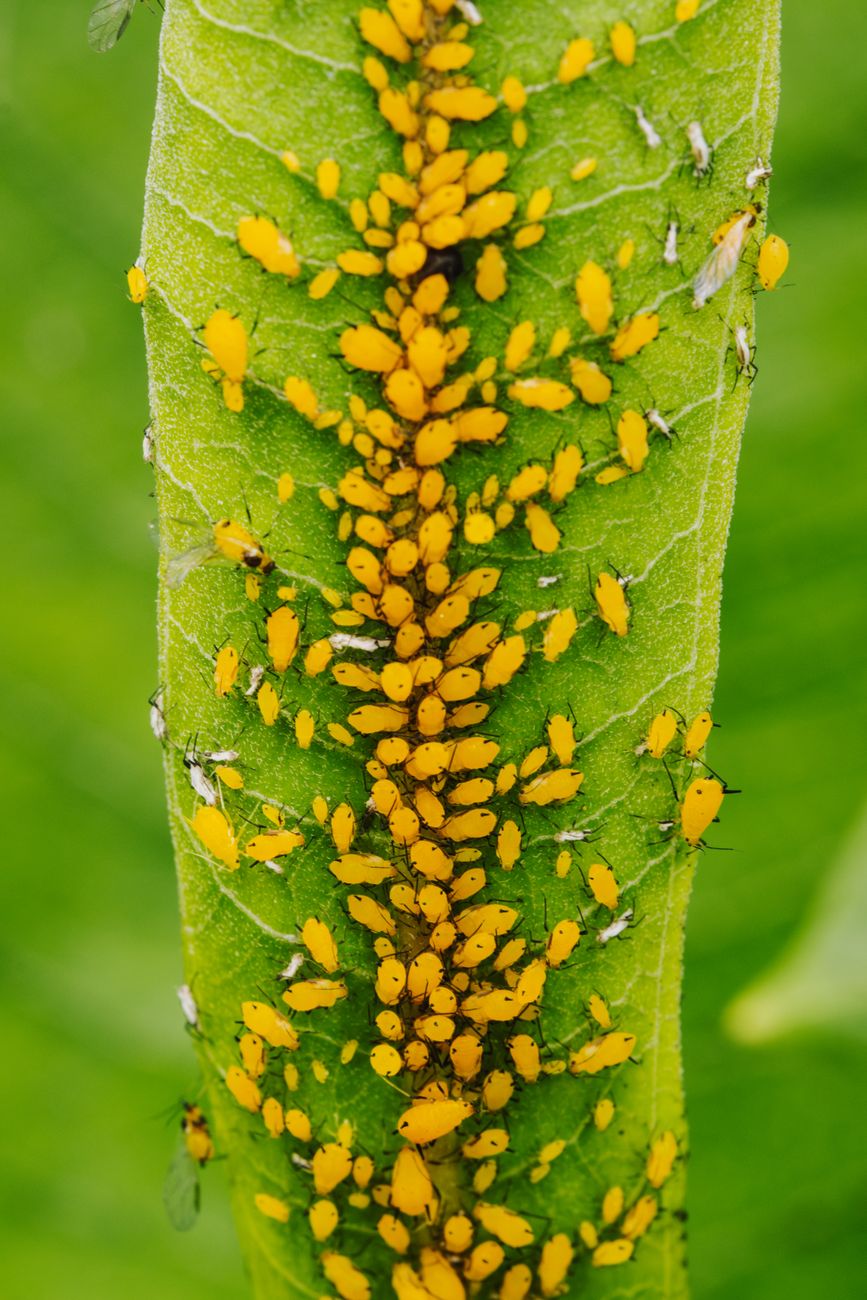
Aphids typically present a more recognizable phenotype. These small, pear-shaped insects often cluster densely on tender new growth, such as the undersides of leaves or emerging stems. Their characteristic appearance is their tendency to aggregate in groups, creating a visible, sticky film known as honeydew on the plant surface. The body structure of an aphid shows distinct segmentation, and when viewed under moderate magnification, one can clearly discern the presence of stylets used for piercing plant tissue to extract phloem sap. This feeding behavior results in noticeable stunting and discoloration of the host plant over time if left unmanaged.
Whiteflies, conversely, present a different ecological profile. These minute insects are often harder to spot unless one is actively scanning leaf surfaces for fine, silvery-white particulate matter or the characteristic “cottony” residue left behind. Whiteflies frequently exhibit a more erratic flight pattern compared to the sedentary clustering of many aphid populations. Their feeding mechanism involves piercing the plant tissue with their mouthparts and sucking out the internal fluids. The density and distribution patterns observed between these two groups offer valuable diagnostic clues for the gardener trying to manage aphids vs whiteflies urban gardening pests.
Morphological Differentiation in Pest Identification
The physical characteristics serve as initial indicators, but deeper analysis of behavior provides the necessary context for effective management protocols. Analyzing the scale size and body shape is the first step we take in identifying these common garden adversaries. Aphids generally possess a more robust, defined body structure relative to their size, allowing for easier visual separation from the much smaller whiteflies.
Whiteflies are exceedingly small; they are often barely perceptible without magnification. This minute size means that mass infestations of whiteflies can appear as a diffuse, fine dusting across foliage rather than distinct clusters. Conversely, aphids, even in small numbers, create noticeable congregations where feeding pressure is highest. We must account for the fact that some aphid species, like Aphis gossypii, are quite visible when they are heavily populated.
The behavioral dynamics further separate these two groups. Aphids tend to remain stationary while feeding, often congregating on specific, highly nutritious terminal buds or new shoots. Whiteflies exhibit more active movement across the leaf surface. Observing where the insects spend their time helps determine the appropriate control mechanism. If you see continuous, heavy clustering on new growth, aphids are likely the primary culprit demanding immediate attention.
Understanding Pest Impact on Urban Plant Health
The interaction between these pests and the host plants directly dictates the severity of the damage sustained by the urban gardener. The mechanism of pest feeding is what translates into visible plant stress and reduced productivity. We examine how sap extraction by both groups affects the physiological functions of the vegetation.
Aphids extract the phloem, the transport system for sugars produced during photosynthesis. This siphoning process depletes the plant’s energy reserves, directly impacting growth rates and overall vigor. When aphid populations reach critical density, the compromised vascular system leads to reduced turgor pressure and eventual necrosis in heavily infested areas. This loss of photosynthetic capacity means the plant cannot allocate sufficient resources toward root development or flowering, thereby limiting its potential yield.
Whiteflies also engage in sap-sucking activity, drawing moisture and nutrients from the plant tissues. While their feeding might be less concentrated than heavy aphid clusters, the cumulative effect of numerous individuals depletes essential resources needed for robust growth. The impact on young, tender plants—common in container gardening scenarios—is amplified because they have less established defenses against resource depletion.
When assessing a garden setup, considering how the plant is housed becomes relevant to pest management strategy. For instance, when utilizing systems like Container Gardening for Small Urban Spaces: Pots & Soil Guide, the stress points are often exacerbated by poor soil conditions or inadequate watering, making plants more susceptible to infestation pressure from pests like aphids versus whiteflies. A healthy root system and nutrient uptake capacity act as an internal buffer against external biotic pressures.
Implementing Non-Chemical Management Strategies
Effective urban pest control prioritizes methods that disrupt the pest life cycle without introducing harmful synthetic chemicals into a sensitive environment. This requires an analytical approach, focusing on physical removal, biological disruption, and environmental modification. We look at how these strategies target the specific feeding habits observed between aphids vs whiteflies.
Physical removal remains a primary intervention tool. For heavier aphid infestations, a strong jet of water directed at the clustered insects can physically dislodge them, interrupting their feeding cycle and reducing immediate population density. This method is highly effective for surface-level control.
For whiteflies, where infestation is often finer and more dispersed, manual removal using a strong stream of water or a soft cloth gently wiping the foliage works well to remove the fine particulate matter. The goal here is to physically eliminate the pest without causing undue mechanical damage to the leaf tissue itself.
Biological controls offer a sustainable long-term solution. Introducing beneficial predatory insects targets these pests naturally. Ladybugs, lacewings, and parasitic wasps exhibit high predatory efficiency against both aphids and whiteflies. Establishing these natural regulators requires creating microhabitats within the garden where they can thrive. This approach works by increasing the natural antagonistic pressure in the ecosystem.
Environmental adjustments also play a role in modulating pest populations. Maintaining optimal plant health through proper nutrition directly strengthens the plant’s resistance mechanisms. Plants grown in rich, well-draining media, as detailed in guides on Maximize Yields: Choosing Urban Garden Containers & Soil, develop thicker cuticles and stronger defense compounds, making them inherently less palatable or toxic to pests like aphids versus whiteflies.
Understanding the relationship between the host plant’s health and pest pressure is essential for predictive management. When plants are stressed by poor container conditions or nutrient deficiencies, their ability to cope with insect feeding is diminished significantly. Therefore, optimizing the substrate and watering regime provides a foundational layer of defense before any direct intervention is necessary.
The observation from the field suggests that an integrated strategy involves constant visual monitoring. Regularly inspecting foliage for clustered aphids versus fine whitefly presence allows for timely, targeted action. This continuous assessment prevents small problems from escalating into full-blown garden crises. Managing aphids vs whiteflies urban gardening pests successfully relies on recognizing subtle ecological signals and applying the right mechanism at the right time.
Tags: urban gardening pests, aphids identification, whitefly control, pest management, small space gardening, garden pests, organic pest control
Featured Image by K on Pexels.