
Optimizing Root Systems: Selecting the Right Containers for Urban Environments
When engaging in container gardening urban setups, the selection of the physical vessel is not merely a matter of aesthetics; it dictates the entire hydrological and nutritional success of the plant. We observe that the material science behind pots profoundly influences water retention rates, root aeration, and thermal regulation within the growing medium. A poorly chosen container can create microclimates that stress roots, regardless of how perfectly managed the soil composition is.
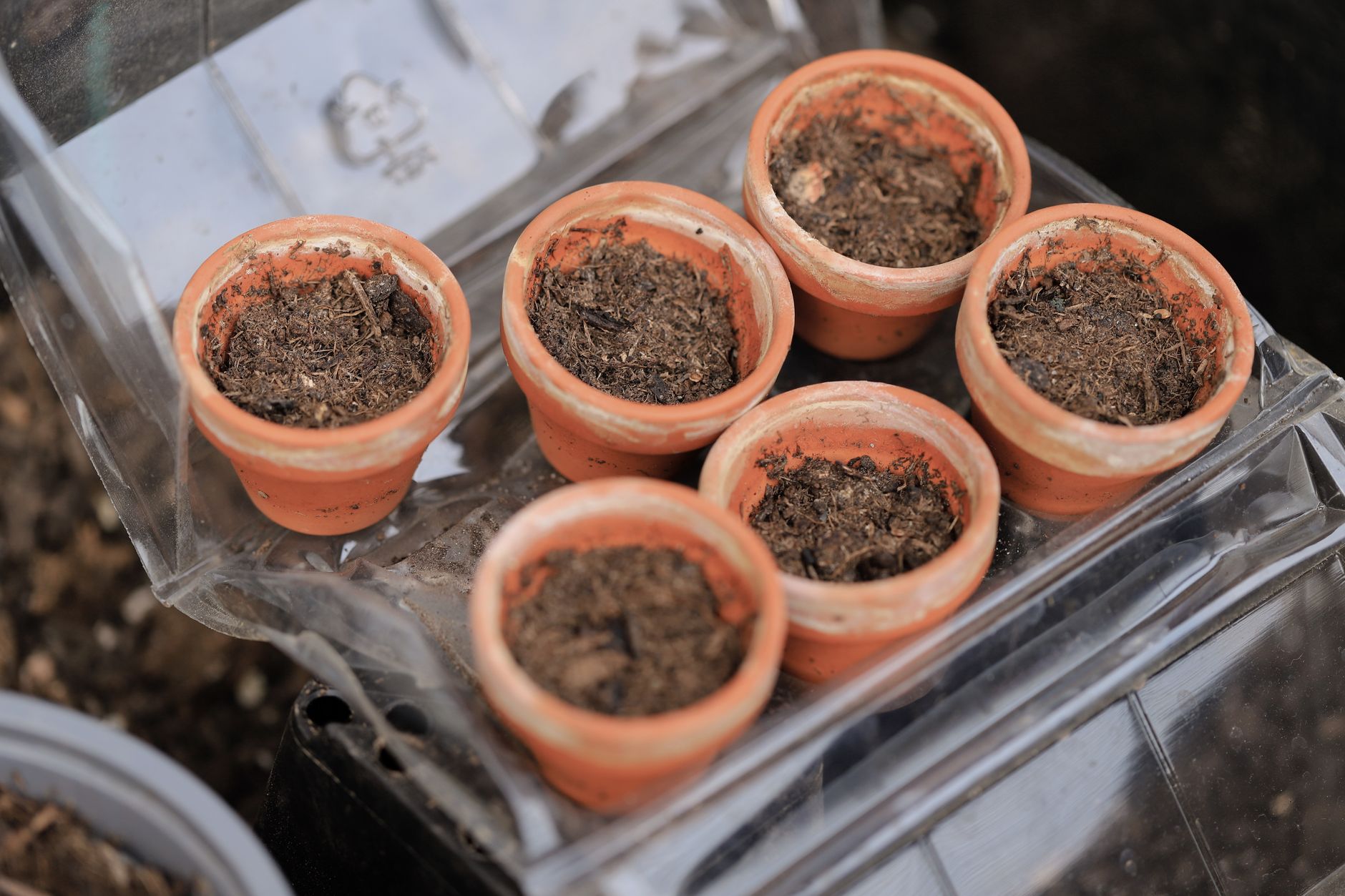
We must analyze materials based on their porosity and thermal conductivity. Terracotta, for instance, possesses high porosity, allowing for significant evaporative cooling, which can be beneficial in intensely hot urban settings, yet this characteristic demands careful monitoring of watering schedules because the material rapidly loses moisture. Conversely, plastic containers offer superior water retention mechanics, minimizing daily irrigation requirements, but their lower porosity means that if drainage systems fail or soil compaction occurs, root asphyxiation becomes a rapid threat. Wooden or composite options present a middle ground, offering moderate thermal buffering while still permitting necessary gas exchange within the root zone. Our analysis suggests prioritizing materials that balance water dynamics with oxygen availability for optimal root respiration.
Material Science of Pot Selection
The interaction between the plant roots and the container walls is a dynamic system governed by material properties. Root systems require ample oxygen to facilitate aerobic respiration, a process essential for nutrient uptake and metabolic function. When roots are tightly bound by dense, impermeable walls—as can happen with certain rigid plastics—the soil matrix becomes waterlogged, leading to anaerobic conditions that promote fungal proliferation and nutrient lockout.
We see that drainage holes or adequate surface area for root penetration are non-negotiable requirements. Containers without sufficient openings force the gardener to rely solely on the soil structure itself for drainage, which often proves inadequate when dealing with saturated urban runoff or heavy watering events. Think about the sheer volume of water a container holds; this volume must be balanced against the rate at which that water can escape.
Soil Media: The Foundation of Urban Growth
The substrate filling these containers is arguably more critical than the pot material itself, as it functions as the plant’s entire external environment. In container gardening urban scenarios, we are dealing with finite volumes, meaning nutrient concentration and drainage capacity must be engineered precisely. Generic garden soil, when used directly in pots, often compacts excessively, creating dense planes that impede water movement and root penetration across the entire volume.
We engineer our preferred growing mixes by incorporating amendments to adjust texture and porosity. For instance, a standard potting mix benefits immensely from the addition of coarse, inorganic materials like perlite or coarse sand, which serve to increase macropores within the medium. These pores allow for rapid water percolation and provide essential air pockets necessary for root respiration. Our data indicates that mixing in 20 to 30 percent of these aeration agents significantly improves the overall hydraulic conductivity of the substrate.
Balancing Nutrient Delivery and Water Management
The method of watering directly impacts how effectively the chosen soil medium functions within the container structure. Overwatering is perhaps the most common failure point in small-scale urban cultivation, leading to root rot before nutrient deficiencies can manifest as visible chlorosis. This occurs when the soil remains saturated for extended periods, preventing oxygen exchange between the soil particles and the roots.
We must establish a consistent strategy based on soil moisture tension rather than arbitrary time intervals. Before applying water, we assess the soil’s weight and feel for its moisture level—a process that replaces guesswork with direct sensory feedback. When watering occurs, the goal is to achieve deep saturation, allowing the water to permeate the entire root zone, but stopping short of true ponding. This ensures that the soil matrix remains adequately aerated, supporting the biological processes required for efficient nutrient assimilation from the added fertilizers.
Strategies for Maximizing Space: Beyond Traditional Pots
Small urban spaces inherently limit the physical footprint available for cultivation. Therefore, optimizing the vertical dimension becomes a primary strategy, shifting focus from horizontal surface area to three-dimensional growth potential. This requires innovative thinking about how plant matter can be supported while still managing the container system discussed previously.
Vertical gardening hacks effectively exploit unused vertical real estate on balconies and walls, allowing for the production of crops without consuming precious horizontal floor space. Systems that utilize stacked containers or wall-mounted systems address this spatial constraint directly. For example, understanding the constraints of Vertical Gardening Wonders for Tiny Urban Balconies reveals that maximizing exposure to ambient light becomes paramount when growing vertically.
Integrating Vertical Systems with Container Principles
When implementing vertical solutions, the principles governing container selection and soil management remain fundamentally identical. Even when stacking pots, the integrity of the individual pot material and the internal soil structure must adhere to the standards established earlier. A flimsy or poorly draining pot at the base of a vertical stack will compromise the entire system’s stability through water imbalance.
We observe that systems like Vertical Gardening Hacks for Balconies: Maximize Urban Yield effectively mandate selecting lightweight yet structurally sound containers, often favoring fabric-lined plastic or lightweight terracotta for load distribution while still ensuring adequate drainage pathways between levels. The challenge shifts to managing gravity and water flow across multiple interfaces. We must ensure that the design accounts for runoff; excess water from one level cannot simply accumulate on the level below without a controlled exit point.
Light Exposure and Microclimate Control
The light available in an urban setting is highly variable, shifting drastically based on surrounding architecture, neighboring buildings, and orientation throughout the day. This variability necessitates careful placement of container arrangements to ensure photosynthetic efficiency for the plants. We must map the daily light exposure across our chosen containers.
Plants require specific light intensities to drive necessary biochemical pathways. Insufficient light results in etiolation—the stretching of stems in a desperate search for photons—which compromises plant structure and yield quality. Conversely, intense, unfiltered midday sun, especially on dark-colored container surfaces, can induce thermal stress, causing rapid dehydration at the surface level. Managing this microclimate means positioning containers where they receive consistent, appropriate light exposure, perhaps utilizing shade cloth or strategic placement to mitigate harsh solar radiation.
The interplay between the chosen pot material, the engineered soil mix, and the controlled environmental factors—light and water—determines the success of container gardening urban endeavors. Understanding these interconnected mechanisms allows practitioners to move beyond simple planting and engage in precise horticultural engineering within constrained city environments.
Tags: container gardening, urban gardening, potting mix, small space gardening, container pots, city gardening, soil mixes
Featured Image by Christina & Peter on Pexels.