
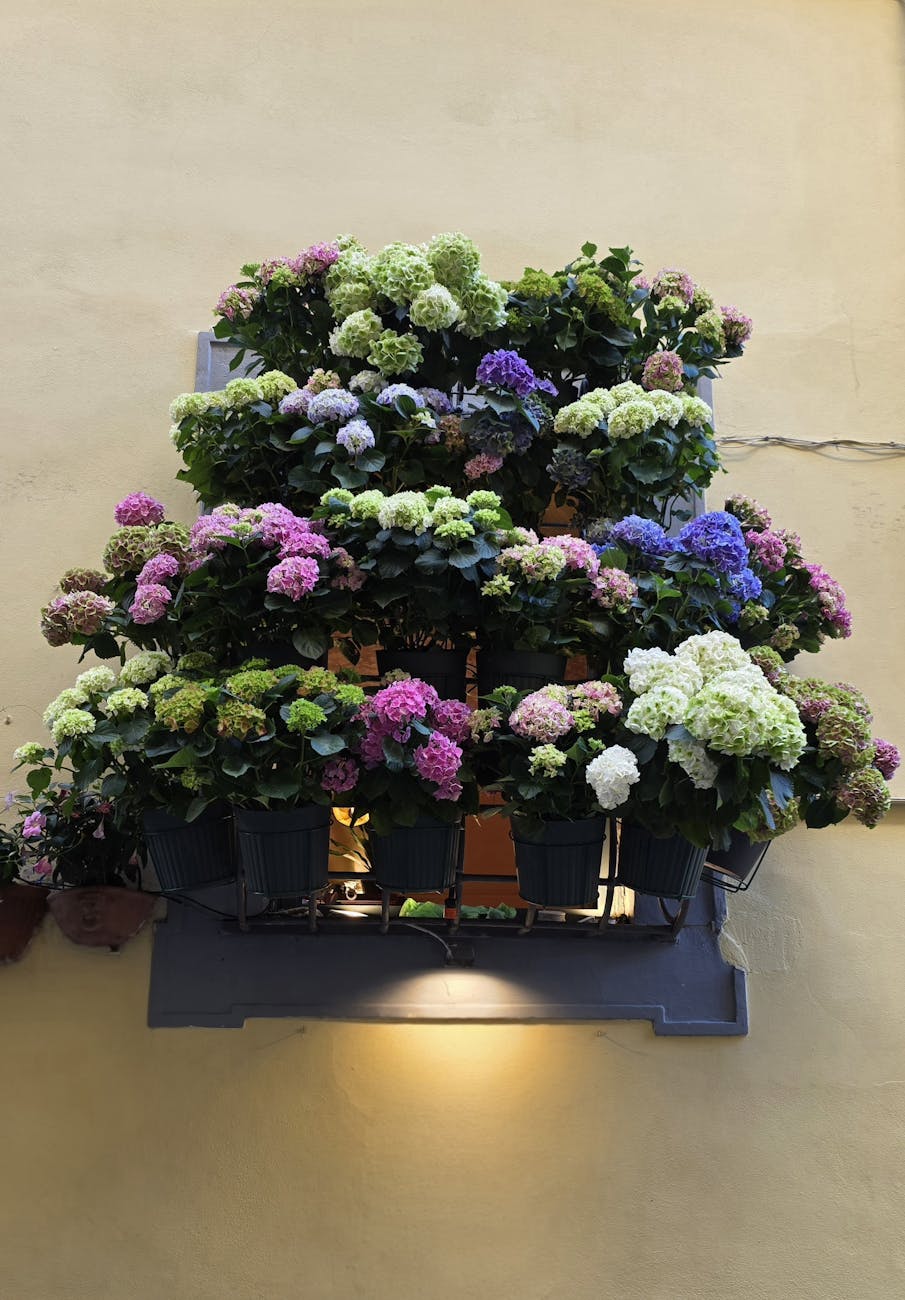
Maximizing Space: The Mechanics of Vertical Gardening Success
When confronting the spatial constraints of an urban balcony, the objective shifts from simple cultivation to spatial optimization. We are not merely planting seeds; we are engineering a system where light exposure, water retention, and root aeration are precisely managed within a limited footprint. This transition requires abandoning traditional horizontal gardening assumptions and embracing vertical methodologies. Observing successful small-space growers reveals that maximizing surface area is the primary mechanism for increasing yield density.
The concept of vertical gardening flowers addresses this physical limitation directly. By stacking growing media, we effectively multiply the available growing surface above and around us. This technique exploits the three-dimensional space inherent in balcony architecture, transforming an overlooked boundary into a productive zone. We observe that plants positioned vertically receive more direct, unfiltered sunlight throughout the day, which is crucial for photosynthetic efficiency and robust flowering.
Structural Systems for Vertical Cultivation
Selecting the appropriate structural support dictates the entire system’s viability. Pallets, reclaimed wood, and tiered shelving units emerge as highly effective, low-cost substrates for this endeavor in many US urban settings. The decision hinges on load-bearing capacity versus material availability. For instance, utilizing sturdy wooden pallets requires assessing the grain and ensuring the structure can safely support saturated soil weight, especially when water management systems are integrated into the design.
We must analyze the interaction between the container and the plant roots. Deep, narrow containers restrict root expansion, leading to stunted growth and susceptibility to rapid dehydration. Vertical structures, when designed correctly, allow for deeper substrate layers where appropriate, promoting healthier root systems. We see that modular shelving allows growers to customize the spacing based on the specific light requirements of individual species, a level of granular control that flat beds simply cannot offer.
The mechanism of water delivery also requires careful consideration. Gravity becomes an ally in vertical setups; water naturally flows from the top container down to the lowest one, creating a passive, self-regulating drip system. However, this necessitates a strategy for managing runoff and ensuring consistent moisture levels across all tiers. We must design drainage channels or use layered, absorbent materials between tiers to prevent oversaturation of lower pots while ensuring upper pots receive adequate hydration.
Optimizing Plant Placement and Light Exposure
Light is the fundamental energy source driving floral development; therefore, understanding light gradients on a balcony is non-negotiable for maximizing the performance of vertical gardening flowers. East-facing balconies offer gentle morning sun, ideal for shade-tolerant varieties, while western exposures deliver intense afternoon heat that demands heat-tolerant species or more substantial shading mechanisms.
We observe that plants positioned higher up will experience slightly different light intensities throughout the day compared to those lower down due to obstruction from neighboring foliage or structural elements. This differential exposure means a gardener must map their balcony environment rigorously before introducing specific plant choices. A shade-loving herb placed at the top might struggle if it receives insufficient photons, while a sun-loving tomato variety needs that intense light to initiate fruiting.
Companion planting principles integrate seamlessly into this vertical framework. Placing certain species adjacent to others manipulates microclimates and nutrient uptake within the confined space. For example, positioning tall, light-demanding flowers near shorter, shade-tolerant greens can manage light competition effectively. We find that strategically pairing plants enhances overall ecosystem productivity beyond simple coexistence. Exploring techniques like Companion Planting for Maximum Yields in Small Urban Gardens provides a framework for this spatial relationship management.
Soil Health and Nutrient Cycling in Container Systems
The quality of the growing medium directly correlates with the vigor of the flowers produced, regardless of the ingenious structural setup employed. In container gardening, soil is not just a medium; it is the entire nutrient reservoir and microbial habitat for the plant. Standard garden soil compacts too easily when confined, inhibiting necessary air exchange around the roots.
Therefore, successful vertical setups often necessitate custom-blended, lightweight potting mixes. Incorporating materials like perlite or coarse sand increases porosity, which is essential for preventing waterlogging and facilitating gas exchange between the roots and the medium. We must actively manage nutrient delivery because containers drain faster than in-ground systems, meaning nutrients leach out rapidly if not replenished consistently through careful feeding protocols.
Creating a closed-loop system for nutrient replenishment becomes an area of intense focus. Utilizing organic material cycling allows gardeners to generate their own amendments rather than relying solely on external, often less sustainable, inputs. Techniques such as DIY Bokashi for Apartments: Turn Scraps into Potent Soil demonstrate how kitchen waste can be processed into beneficial microbial matter, which then feeds the soil ecosystem directly. This approach reduces waste while enhancing the biological activity within the restricted space.
Managing Water Dynamics and Climatic Stress
Water management in a tiered system presents unique challenges regarding distribution and potential for disease. Inconsistent moisture levels—too much water leading to root rot, or too little causing stress—are common pitfalls when scaling up container systems. The risk of fungal issues increases if foliage remains perpetually damp due to poor air circulation between tightly packed plants.
We see that airflow is as critical as light exposure in vertical gardening. Stagnant, humid air creates an ideal environment for mildew and blight development among densely planted flowers. Therefore, designing the structure to allow some degree of air movement between tiers prevents this stagnation. Furthermore, implementing a conscious water schedule ensures that moisture levels are appropriate for the specific plant species at each level.
The ability to monitor these dynamic variables requires consistent, attentive observation. Tracking soil moisture via simple probes or tactile assessment provides immediate feedback on where adjustments must be made. This observational data informs subsequent decisions about irrigation frequency and substrate adjustment. When we analyze the performance of vertical gardening flowers, we are essentially running a small-scale environmental experiment in real time.
Scaling Up Botanical Density
The ultimate goal of mastering vertical gardening is achieving maximum botanical density without compromising individual plant health or structural integrity. This involves selecting vigorous, compact varieties known to thrive in container conditions, ensuring that the total biomass supported by the structure remains balanced against the weight limitations we established earlier. We observe that choosing trailing vines or compact annuals often performs better than sprawling, heavy perennials when constrained to narrow vertical spaces.
The density must be managed through careful selection of plant spacing within each tier. Overcrowding starves plants of essential resources, regardless of how much surface area is available. We find that the relationship between the root mass and the container volume dictates the planting strategy. This analytical approach transforms the act of gardening from simple placement to complex systems engineering. The resulting display becomes a living demonstration of efficient spatial utilization.
Tags: vertical gardening, urban gardening, balcony gardening, flower display, small space gardening, container gardening, apartment gardening
Featured Image by Insights from the Journey on Pexels.