
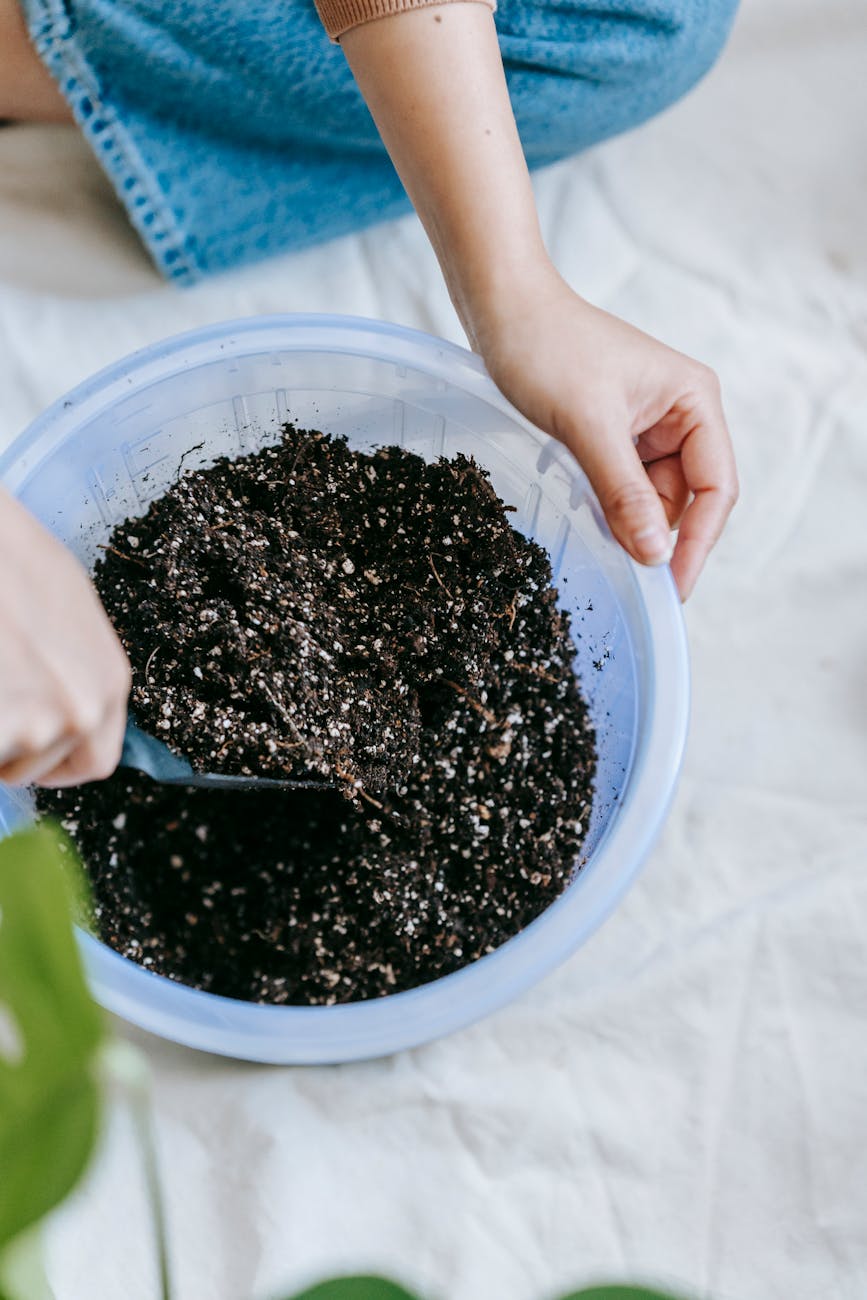
Deconstructing the Ideal Foundation: Engineering Your Custom Potting Mix
Starting an urban garden, whether on a balcony, patio, or fire escape, requires more than just tossing dirt into a container. Success hinges entirely on the substrate you select and prepare; we are essentially engineering a living ecosystem in a confined space. Understanding the composition of your soil blend is not about following a recipe blindly; it involves manipulating physical and chemical properties to optimize root respiration, water retention, and nutrient availability for your chosen plants. This process demands a shift from traditional gardening intuition to applied horticultural science.
We observe that standard garden soil, often dense with clay particles, performs poorly in containers because it compacts easily, restricting the air pockets necessary for healthy root function. When roots cannot breathe effectively, nutrient uptake slows dramatically, leading to stunted growth or nutrient deficiencies, regardless of how much fertilizer you apply. Therefore, creating a custom potting mix urban gardening formula means deliberately engineering a lighter, more aerated medium that supports vigorous, container-bound growth.
The Essential Components: Balancing Structure and Nutrition
A superior potting mix functions as a porous sponge; it must balance the physical structure—the aeration and drainage capabilities—with the biological function—the nutrient supply and water holding capacity. We need to analyze three core components: the base material, the amendment for structure, and the nutrient source.
Base Material Selection: The Foundation of Aeration
The primary structural component dictates how water moves through the system and how easily roots can penetrate the medium. For container gardening, we prioritize materials that resist compaction while maintaining porosity. Peat moss or coir fiber serves as an excellent starting point because it offers a high surface area and excellent water-holding capacity. However, pure peat can introduce environmental concerns, so we often blend it strategically.
When formulating your mix, the ratio of this base material to inorganic matter becomes critical. A higher percentage of organic matter provides the necessary microbial habitat for nutrient cycling, but too much results in a medium that becomes waterlogged and anaerobic when saturated. We must ensure there is sufficient void space—air pockets—between the particles so that oxygen can reach the root zone. This physical space directly governs the rate at which roots can explore the substrate for water and minerals.
Incorporating Amendments: Modifying Physical Properties
To enhance drainage and aeration, inorganic materials are essential components in our formulation. Perlite or pumice introduce lightweight, angular particles into the mix. These materials create microscopic channels within the substrate, significantly increasing the porosity of the entire medium. This physical structuring prevents water from pooling at the base, which is a frequent failure point in poorly designed container setups.
We also incorporate materials to manage the bulk and prevent excessive settling. Fine materials like vermiculite can be included in smaller amounts to help moderate water retention, though we must exercise caution; excessive use of highly absorbent materials can paradoxically lead to root stress by holding too much moisture against the roots. Analyzing the physical interaction between these amendments tells us how much structural support the mix will provide during intense watering cycles.
Nutrient Delivery: Establishing the Feeding System
The substrate is not inert; it must actively contribute to plant health. Potting mixes require a measured introduction of slow-release and readily available nutrients. We move beyond simple potting soil concepts when we consider feeding in containers because leaching becomes an immediate threat. Therefore, the chosen mix needs to be rich in organic matter that can slowly release essential elements as roots grow into it.
When selecting amendments, we focus on balanced formulations. Incorporating aged compost or worm castings provides a robust initial supply of beneficial microorganisms and micronutrients, setting up a healthy microbial environment from day one. This biological activity supports nutrient mineralization, ensuring that the macro and micronutrients are available in soluble forms for immediate uptake by the plants.
Developing Specific Mix Recipes: Tailoring the Blend to Your Needs
The ideal custom potting mix urban gardening recipe shifts based on the specific plant requirement and the environmental constraints of your space. A succulent requires vastly different physical properties than a leafy green vegetable seeking deep, consistent moisture. We must adjust the ratios based on observed performance data.
Recipe for General Vegetable & Herb Cultivation
For typical edibles grown in containers, we aim for a high balance of organic structure and excellent drainage. Our analysis suggests a blend leaning toward aeration is superior for most urban setups. A practical starting point involves combining an equal volume of high-quality peat or coir fiber with materials like perlite or coarse sand to establish porosity. We then integrate a significant quantity—perhaps 40 to 50 percent by volume—of well-aged compost to supply the necessary long-term nutrient reservoir. This configuration supports root expansion while ensuring rapid water egress when conditions are suboptimal.
This type of formulation allows for optimal interaction with beneficial microbes, which we know drive nutrient cycling within the pot environment. We see that systems rich in microbial life are inherently more resilient to minor environmental stresses common in urban settings. Remember to monitor soil health closely; if you observe signs of root stress or pest incidence, reviewing your substrate composition is often the first diagnostic step.
Recipe for Succulents and Cacti Cultivation
Succulent cultivation demands a complete inversion of the standard requirements. These plants are highly sensitive to prolonged moisture retention, meaning the focus shifts almost entirely to maximizing drainage and minimizing organic bulk that can hold excess water. For this application, we increase the percentage of inorganic aggregates significantly. We incorporate a higher ratio of pumice or coarse grit alongside perlite to ensure rapid drying time after irrigation.
The organic component must be minimized because excessive peat acts as a moisture trap, directly contradicting the plant’s need for rapid desiccation. We introduce minimal compost, focusing instead on sterile, mineral-rich sources that do not impede drainage. This refined approach ensures that the substrate functions purely as an efficient, fast-draining physical support structure rather than a slow-release nutrient bank.
The Role of Soil Health in Pest Management
The health of the soil matrix directly correlates with the plant’s ability to resist biotic stressors, such as pests. A well-aerated, biologically active potting mix fosters robust root systems that are naturally better equipped to fend off minor infestations compared to roots starved in compacted, waterlogged media. We observe a direct link between substrate quality and resistance to common urban pests.
For instance, when we look at pest identification, understanding the environment is key; conditions that favor fungal or sucking insects often thrive where moisture levels fluctuate unpredictably within dense soil structures. When setting up your system, establishing strong microbial communities through good composting practices helps inoculate the growing medium with beneficial organisms that naturally manage imbalances in the rhizosphere. This interconnectedness means that optimizing your potting mix is simultaneously an act of preventative pest management. We find that healthy plants exhibit greater natural resistance to challenges like aphids or whiteflies when their foundational environment is optimized.
Integrating the Ecosystem: Beyond the Potting Mix
Creating the perfect soil blend is only the initial step in establishing a thriving urban garden ecosystem. The substrate is one element among many interacting variables that determine overall plant success. We must consider how the growing medium interfaces with the larger cycle of nutrient management.
The process of building fertility should extend beyond the initial potting mix application. Practices such as introducing organic matter over time, perhaps through regular additions from composting systems, allow the soil to develop complexity. Utilizing methods like composting in the concrete jungle, whether via worm bins or bokashi fermentation, generates the complex humus required for long-term, sustainable feeding. This external nutrient cycling supplements what is initially provided by the potting mix.
This layered approach ensures that the container garden becomes a self-regulating system. The custom potting mix provides the immediate physical and chemical scaffolding; composting provides the sustained biological energy; and careful observation provides the adaptive feedback needed for continuous refinement of the entire system. This holistic view allows us to move past simple application techniques toward true ecological stewardship in small-space cultivation.
Tags: potting mix recipe, urban gardening, container gardening, soil composition, gardening tips, potting soil, container plants
Featured Image by Teona Swift on Pexels.