
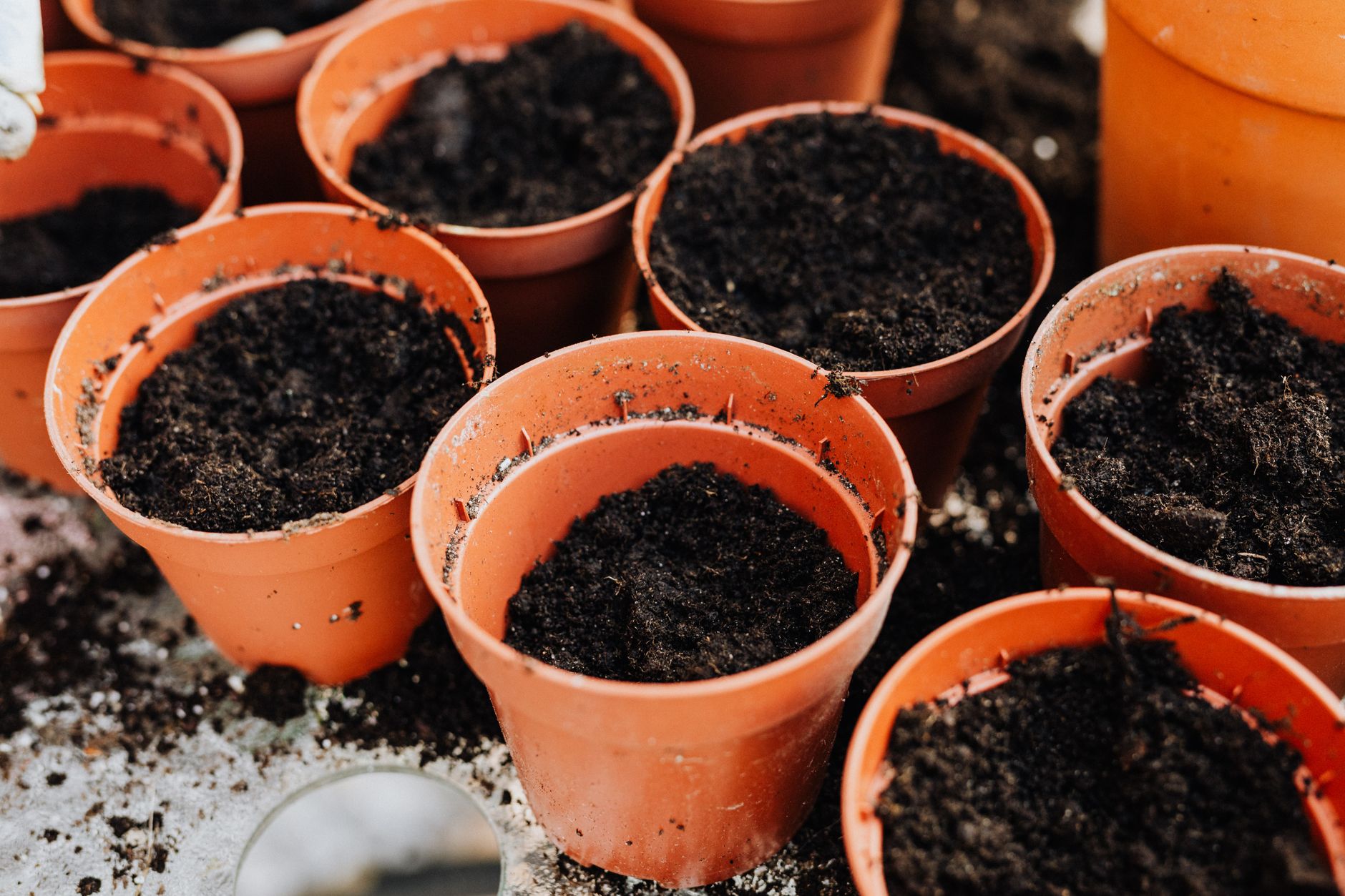
The Science Behind Enhancing Container Soil with Worm Castings
When cultivating plants in containers, the substrate becomes the single most critical factor dictating nutrient availability and root health. Simply filling a pot with standard topsoil is an inefficient starting point because it lacks the specific microbial diversity and slow-release nutrient profile that thriving plants actually require. We observe from the data that optimizing this medium requires introducing organic matter rich in beneficial microorganisms, which is precisely where worm castings demonstrate their superior efficacy. Worm castings are not merely composted waste; they represent a highly processed, bioavailable form of organic amendment that directly influences plant physiology.
The mechanism by which worm castings enhance soil structure involves creating stable aggregates. Worms process organic material through a decomposition process that liberates essential macro and micronutrients into easily accessible forms for the subsequent plants to absorb. This action improves aeration and water retention simultaneously. Dense, compacted soil restricts oxygen diffusion to the root zone, leading to anaerobic conditions where microbial activity stalls and nutrient uptake becomes compromised. By incorporating worm castings, we introduce fine, humus-rich particles that bind to mineral components, creating a porous structure. This porosity allows for optimal gas exchange—oxygen in, carbon dioxide out—which is vital for root respiration and subsequent nutrient translocation.
Deconstructing the Nutrient Profile of Worm Castings
Understanding what you are adding requires looking beyond simple organic matter content. Worm castings possess a unique chemical signature compared to standard compost or raw manure. Our analysis suggests that the concentration of plant-available nitrogen, phosphorus, and potassium is significantly higher, but more importantly, these nutrients are delivered in a slow-release matrix facilitated by the presence of humic acids and microbial biomass.
The microbial life within the worm castings acts as an engine for nutrient cycling. These microorganisms break down complex organic polymers into simple inorganic ions that plant roots can readily absorb. This process bypasses the slower, less efficient mineralization rates often seen in bulk compost piles. In practice, we see a direct correlation between the microbial density found in castings and the overall vigor of the resulting plant growth, particularly in nutrient-demanding container environments where resources are finite.
Optimizing Container Mediums for Maximum Growth
Transitioning to a worm casting-amended mix fundamentally alters the physical and chemical properties of your potting medium. Standard potting mixes often rely on synthetic fertilizers to compensate for poor soil structure or low inherent fertility, creating an artificial dependency. When you integrate worm castings, you shift the focus toward building self-sustaining soil ecology.
We examine how this amendment impacts water dynamics. Soil particles rich in humus exhibit superior capillary action and porosity. This means the medium can hold a necessary amount of moisture without becoming waterlogged, which mitigates root rot—a common failure point in container gardening. Conversely, heavy, dense soils promote stagnant water pockets where fungal pathogens thrive. The fine texture of castings prevents this stagnation, ensuring consistent moisture distribution across the entire root mass.
Practical Application: Integrating Castings into Your Garden Setup
Incorporating worm castings requires a thoughtful approach depending on whether you are starting from scratch or amending existing soil. For new container setups, mixing the castings directly into your chosen potting medium achieves immediate structural and nutritional benefits. We recommend aiming for a substantial ratio; some practitioners suggest incorporating 20 to 30 percent by volume of castings when building fresh mixes intended for high-yield urban environments.
When you are planning companion planting strategies, ensuring the foundation soil is optimal becomes paramount for success. For instance, establishing robust microbial health in your growing medium prepares the environment for beneficial symbiotic relationships between plants. Understanding how different plant species interact—like those explored in Balcony Bounty: Companion Planting for Maximum Urban Yields—relies heavily on a healthy substrate capable of supporting vigorous growth from the very first week.
The Role of Microbes and Disease Prevention
The living component of worm castings is arguably more valuable than the mineral content alone. These castings are teeming with beneficial bacteria, fungi, and protozoa that colonize the soil ecosystem upon introduction. This microbial inoculation serves a dual purpose: it enhances nutrient cycling, as discussed previously, and it actively contributes to plant defense mechanisms.
We see evidence that a healthy rhizosphere—the zone immediately surrounding the roots—is inherently more resilient. When the microbial balance is skewed or the medium is deficient in organic complexity, plants become susceptible to opportunistic pathogens. For example, poor soil health can create environments where fungal diseases flourish. Understanding the interplay between substrate quality and disease risk informs preventative measures long before visible symptoms appear. Knowledge regarding Fungal Diseases in Urban Gardens: Beginner’s Guide (https://twigharbor.com/fungal-diseases-urban-gardening-2/) underscores this principle; a rich, biologically active soil acts as a natural defense barrier.
Beyond Potting Mix: Feeding the Living System
Worm castings are not just an initial soil amendment; they function as a continuous, gentle feeding mechanism for the entire root system over time. Unlike soluble synthetic fertilizers that deliver immediate bursts of nutrient concentration, castings provide a sustained supply through slow mineralization. This contrasts sharply with the rapid uptake cycles typical in intensive, high-input systems.
We must consider the long-term implication of this approach. By focusing on building soil biology rather than simply supplying elemental nutrients, we foster an ecosystem where plants are better equipped to manage environmental stresses. The sustained release of humic substances encourages root exudates that further stimulate beneficial microbial colonization around the roots. This creates a positive feedback loop: better soil structure supports more diverse microbes, and those microbes, in turn, enhance nutrient availability for the plant.
Calculating Amendment Ratios and Observing Results
Determining the precise incorporation rate depends heavily on the type of container and the desired output. For shallow window boxes or smaller pots, a higher concentration of castings might be suitable to maximize immediate impact on limited volume. When dealing with larger containers intended for substantial harvests, a balanced approach integrating high-quality compost or aged manure alongside the worm castings provides the necessary bulk structure while layering in the microbial power of the castings.
We observe that the sensory experience of the soil changes immediately upon incorporation; it feels darker, richer, and more cohesive. This tactile feedback reinforces the scientific understanding of improved aggregation. As you manage your urban garden space, treat the substrate as a living entity rather than an inert medium to be filled. The success in container gardening is increasingly defined by nurturing this living system beneath the surface.
Tags: worm castings, potting soil, container gardening, organic amendments, small space gardening, soil improvement
Featured Image by www.kaboompics.com on Pexels.