
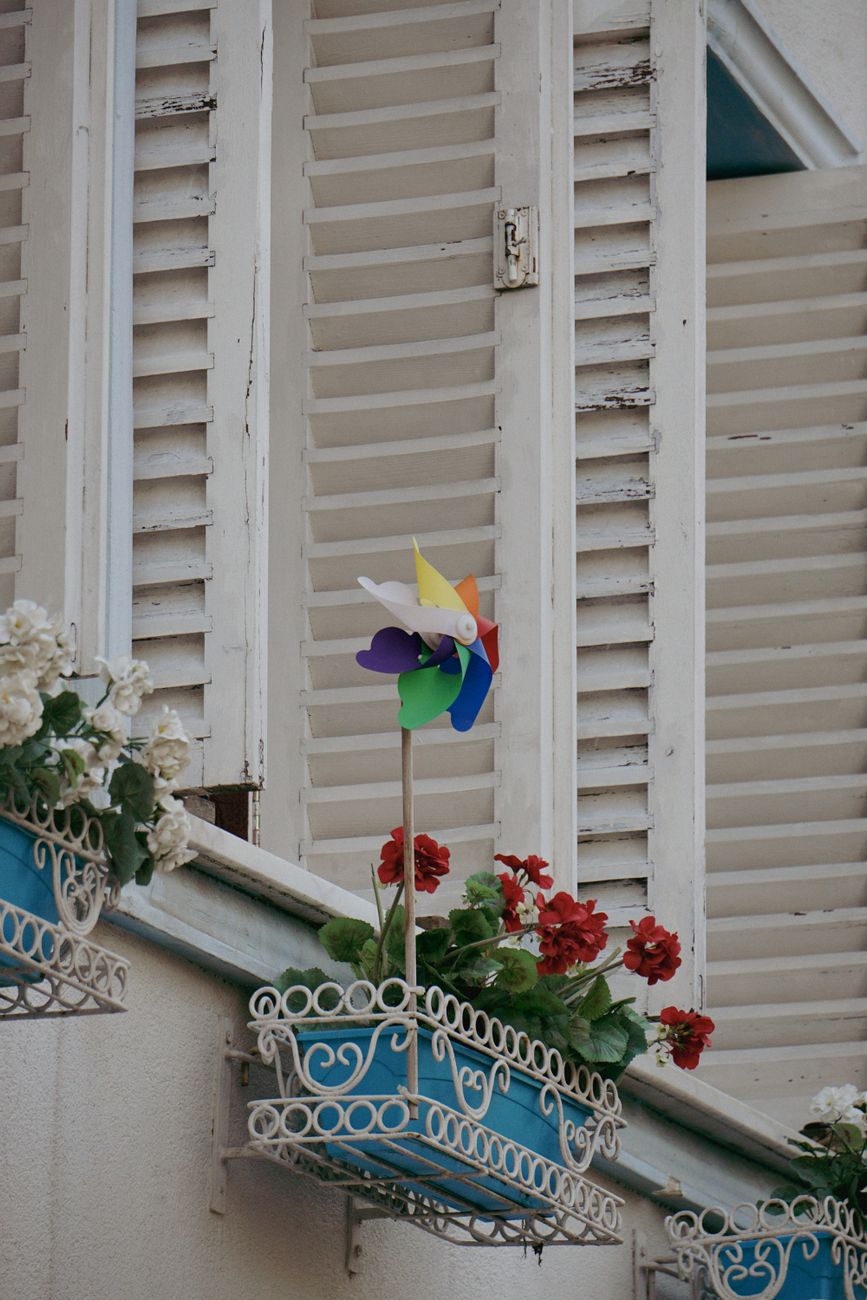
Choosing Your Urban Gardening Space: Balcony, Patio, or Window Box
Selecting the physical location for your urban garden is arguably the most critical initial decision. This choice dictates the constraints you face regarding soil depth, sunlight exposure, wind resistance, and accessibility to water sources. We observe from the data that the type of space available fundamentally alters the viability and long-term success of container horticulture in dense metropolitan environments. Understanding these spatial variables allows us to engineer a system tailored precisely to the available real estate.
Assessing Sunlight Exposure: The Photosynthetic Imperative
The engine driving plant growth is light energy, meaning maximizing solar exposure is non-negotiable for successful cultivation. When evaluating potential spots, one must conduct an accurate photometric assessment throughout the day. We need to measure the duration and intensity of direct sunlight each location receives. A spot that receives six or more hours of direct, unfiltered sun per day is generally ideal for fruiting vegetables like tomatoes or peppers. Conversely, areas shaded by surrounding buildings or dense foliage will necessitate selecting shade-tolerant greens or herbs.
Balconies often present complex light dynamics because adjacent structures can create shifting shadows throughout the afternoon cycle. Patios, conversely, tend to offer more consistent, direct solar exposure unless they are severely obstructed by overhead structures. Window boxes introduce an additional layer of complexity; while they maximize access to a vertical plane, the light received is highly dependent on the orientation (North, South, East, or West) and the height of the window sill relative to the surrounding architecture. Analyzing these microclimates requires careful observation over at least one full week to account for seasonal shifts and daily fluctuations in angle.
Structural Integrity and Environmental Load
The physical structure of the chosen location imposes immediate limitations on what you can successfully grow. We must consider the load-bearing capacity and the exposure to adverse weather elements, such as wind shear and temperature fluctuation. A balcony, for instance, demands a rigorous assessment of its structural integrity before any heavy soil or water containers are placed upon it; ignoring this step introduces significant risk of structural damage.
Patios offer greater stability generally, providing a more forgiving substrate for heavier setups, though they remain susceptible to high winds common in open outdoor settings. Window boxes present the most constrained environment regarding physical expansion and weight distribution; their utility relies heavily on lightweight potting media and careful container selection. When planning your setup, we must calculate potential wind exposure. A spot shielded by a large building offers protection but might limit light; an open balcony maximizes light but exposes plants to harsher elements.
Water Management: The Substrate and Drainage Mechanics
Water availability is the second major factor determining success in urban gardening space selection. How efficiently water will be delivered to the roots, and how effectively excess water will escape, determines plant health. In all scenarios—balconies, patios, or window boxes—the management of drainage is paramount. Poor drainage leads directly to root rot, a common killer of container plants.
For balcony and patio setups, establishing an effective self-watering system or ensuring containers have adequate drainage holes connected to a suitable reservoir becomes a necessity rather than an option. Window boxes require the same rigorous attention to substrate permeability. We find that using high-quality, well-aerated potting mixes is essential because these spaces often lack the natural water retention mechanisms of in-ground soil. Understanding the flow dynamics of water across the chosen surface dictates your watering schedule and system design.
Access, Accessibility, and Maintenance Logistics
The practical logistics of tending to your garden must align with your lifestyle. Choosing a space means accepting a certain level of required physical effort for maintenance. A patio often allows for larger, more accessible containers and easier access for heavier tools or wheelbarrows. Balconies demand careful planning regarding container weight distribution and the ease of access for routine inspection and feeding.
Window boxes are excellent for accessibility to light but impose strict limits on container size and depth; plants must be selected based on their mature size relative to the available horizontal space. We observe that gardeners often choose window boxes for high-yield, smaller crops because the vertical constraint forces a focus on intensive cultivation rather than expansive root systems. This spatial limitation directly influences planting strategy.
Optimizing Space Through Container Selection
The physical space dictates the geometry of your planting, but the containers themselves dictate the operational capacity. A common error in urban gardening is selecting containers that are too small or poorly shaped for the intended use, which compromises root health and nutrient uptake. When dealing with a balcony, consider tiered systems if vertical space is limited, maximizing the growing surface area within the footprint.
Patios allow for more substantial containers, enabling plants to develop stronger root structures capable of handling larger water volumes. Window boxes necessitate selecting lightweight materials that can be easily moved and rearranged without stressing the structure or the plants. Selecting appropriate container material—terracotta versus plastic versus fabric grow bags—affects thermal regulation as much as drainage capability.
Integrating Planting Strategies for Maximum Density
Once the physical parameters are established, the next step involves optimizing what you plant within those boundaries. Urban gardening is often about maximizing yield per square foot. This necessitates strategic use of companion planting principles to manage space and mitigate pest pressure naturally. When planning complex mixes, understanding the interplay between neighboring plants reduces the need for intensive chemical intervention.
For example, grouping certain crops together creates microclimates that benefit adjacent plants through shared resource management. Research shows that strategic combinations can reduce overall pest incidence. Exploring container crop combinations with companion planting techniques allows you to achieve higher density without sacrificing individual plant health. This synergistic approach ensures that even in constrained urban settings, the system remains robust and productive. When dealing with potential pests, understanding the relationship between different plant types informs proactive defense strategies against common issues like aphids or whiteflies.
The Final Analytical Synthesis
Ultimately, the decision process for urban gardening space selection is a negotiation between environmental opportunity and physical constraint. We move from an abstract desire to a concrete engineering problem: how do we fit our desired photosynthetic needs, water requirements, structural stability, and maintenance access into the chosen location? A balcony demands attention to weight and wind; a patio focuses on water management and substrate depth; a window box prioritizes light capture and vertical density.
The successful urban gardener treats the space not as a passive backdrop but as an active component of the growing system. By analyzing sunlight angles, structural limitations, and hydrological potential before selecting a spot, we establish a foundation for predictable outcomes. This analytical approach shifts the focus from simply placing pots to designing an integrated, resilient micro-ecosystem where every element contributes to sustained growth. Start by meticulously mapping your environment; that is the first step toward abundant urban harvests.
Tags: urban gardening, balcony gardening, patio gardening, window box gardening, small space gardening, container gardening, beginner gardening
Featured Image by Hakan Arslan on Pexels.