
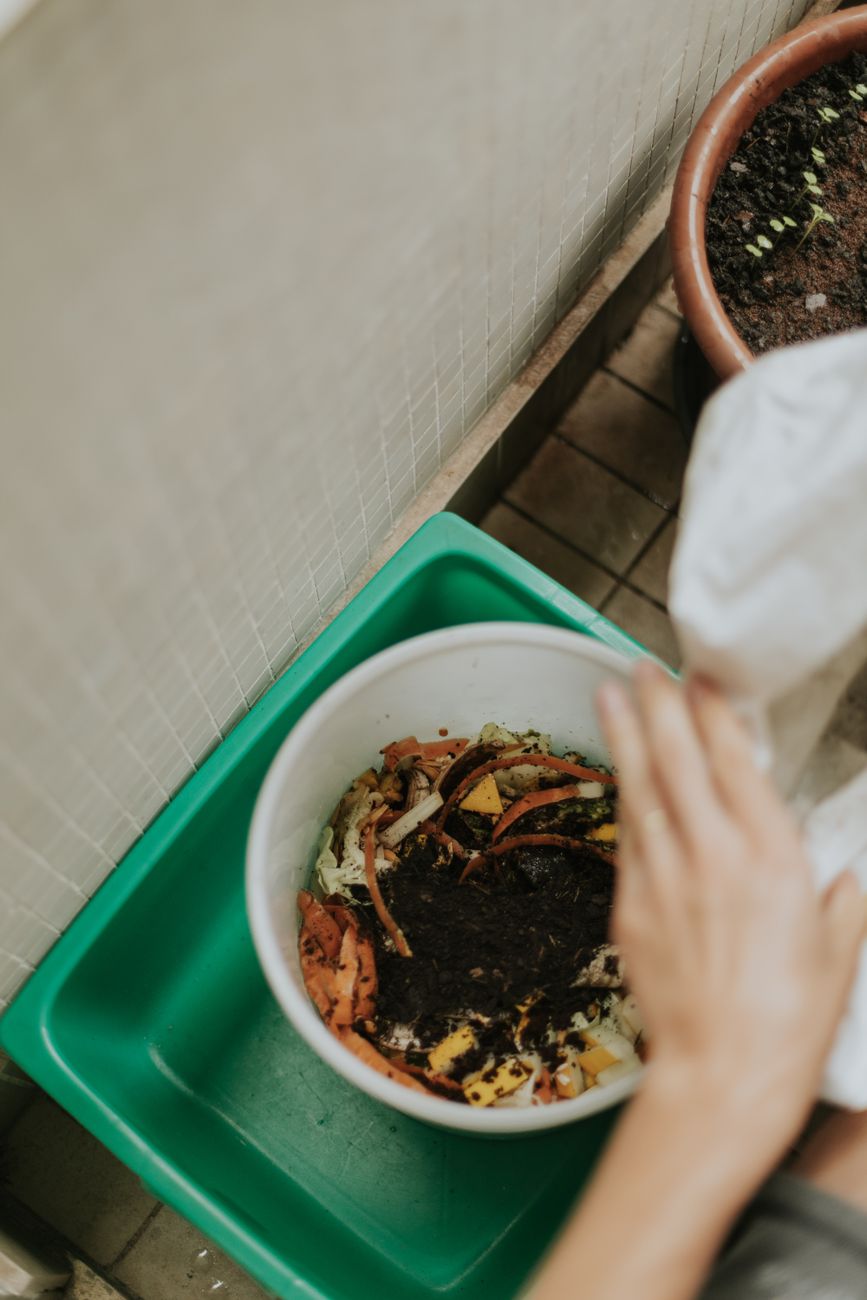
Understanding the Mechanics of Urban Composting
When we discuss urban composting for beginners, we are not merely talking about piling up kitchen waste; we are initiating a biological recycling process on a small scale. This system functions by harnessing microorganisms to break down organic matter into stable, nutrient-rich humus. We observe that the efficiency of this transformation depends entirely on establishing the correct balance of carbon and nitrogen inputs within the composting mass. If the ratio is skewed too heavily toward nitrogen, the process generates excessive ammonia gas, which can repel beneficial microbes and produce foul odors.
The core mechanism relies on aerobic decomposition. This means the breakdown requires sufficient oxygen exposure to support the thermophilic bacteria necessary for rapid decomposition. Anaerobic conditions, where oxygen is severely limited, lead to putrefaction and the production of methane, a potent greenhouse gas. Therefore, successful composting demands an environment that promotes high oxygen permeability while maintaining consistent moisture levels—a state that requires careful management in an urban setting where space and access to traditional piles are often restricted.
We must account for what we feed the system. Kitchen scraps provide the essential organic matter, but the composition dictates the speed and final product quality of the compost. Fruits, vegetables, coffee grounds, and yard trimmings contribute valuable carbon structures. These materials need to be balanced with nitrogen sources, which are often readily available in food waste. Ignoring this stoichiometry results in a slow, smelly process instead of the desired nutrient cycling.
Selecting the Optimal Composting Method for Urban Spaces
The physical setup for composting must align with the constraints of an urban environment; space is rarely abundant, and odor management requires specific design choices. Several methods exist, each possessing distinct advantages regarding space utilization and management complexity.
Vermicomposting, utilizing worms, represents a highly efficient method for small spaces like balconies or patios. The worms ingest the food scraps and excrete nutrient-rich castings. This process operates effectively in contained systems, minimizing external odor concerns because the waste is processed internally by the living organisms. The observation here is that worm bins require consistent moisture and aeration, but the payoff is high-quality amendments. For those managing container gardens, understanding the relationship between the compost they produce and their growing medium is crucial. We see a direct link when considering options like Choosing Containers for Small Urban Gardens: A Beginner’s Guide (https://twigharbor.com/choosing-containers-urban-gardening-2/).
Traditional bin composting, whether using simple piles or enclosed tumblers, requires managing the physical environment more directly. These systems demand careful attention to moisture retention and turning frequency to ensure aerobic conditions persist throughout the pile volume. If you are dealing with limited space, a closed system like a tumbler can manage these variables more predictably than an open pile, allowing for consistent temperature regulation necessary for microbial activity.
Managing Inputs: What Goes Into Your Compost Pile
The composition of the input materials directly dictates the output quality. We focus on balancing “greens” (nitrogen-rich materials) and “browns” (carbon-rich materials). Greens include vegetable scraps, coffee grounds, and fresh grass clippings; these supply the necessary nitrogen for microbial growth. Browns encompass dry leaves, shredded cardboard, and wood chips; these provide the necessary carbon structure to allow air flow and prevent compaction.
We must avoid introducing problematic elements that disrupt the microbial ecosystem. Meat, dairy products, and oily foods should be strictly excluded from home composting systems. These items decompose slowly in a compost environment, attract pests, and release volatile organic compounds that spoil the process for everyone involved. The goal is to create a stable, balanced matrix where beneficial fungi and bacteria thrive without external contamination.
When utilizing worm systems, the input material must also be carefully selected. Worms thrive on specific fibrous materials. For instance, processing certain food scraps into worm castings requires understanding their breakdown rate; this is why learning about DIY Worm Castings: Potting Soil Amendments for Container Gardens (https://twigharbor.com/diy-worm-castings-potting-soil/) provides essential context for optimizing the material entering the worm’s digestive tract.
The Biological Process in Action: Temperature and Aeration Dynamics
The engine driving composting is microbial metabolism, which manifests physically as temperature fluctuations and gas exchange dynamics within the pile. Optimal composting occurs when the internal temperature rises significantly, often reaching 130°F to 160°F (55°C to 71°C). This heat signifies that the thermophilic bacteria are actively consuming the organic matter at a rate sufficient to break down complex polymers into simpler compounds.
This high-temperature phase requires consistent aeration. Insufficient oxygen starves the aerobic microbes, forcing them into less efficient anaerobic pathways where foul odors arise instead of beneficial humic acids. Turning the pile regularly serves two functions: it redistributes moisture evenly throughout the mass and it introduces fresh oxygen to the interior core. We observe that turning frequency is a direct control mechanism over microbial activity; frequent turning ensures a consistent supply of oxygen necessary for the desired biological cascade.
When observing the process, we see the decomposition move through distinct phases. Initial stages involve rapid breakdown of simple sugars, leading to an increase in moisture and temperature. This transitions into the main phase where larger cellulose structures are targeted by specialized enzymes, releasing significant heat. The final stage involves the stabilization of the compost, where the material matures into dark, crumbly humus, characterized by a stable C:N ratio suitable for soil amendment application.
Troubleshooting Common Urban Composting Hurdles
Beginners frequently encounter issues related to moisture management and odor control when starting urban composting for beginners. Excessively wet piles result in anaerobic pockets, trapping moisture and encouraging the growth of nuisance pathogens rather than beneficial decomposers. The solution here involves adjusting the brown-to-green ratio until the material feels like a wrung-out sponge—damp, but not dripping.
Odor problems usually indicate an imbalance or anaerobic conditions developing within the system. If a strong, sour smell emerges, it signals a lack of oxygen penetration. Immediate action requires introducing more dry, carbon-rich material, such as shredded cardboard or dry leaves, and ensuring thorough mixing to reintroduce air into the mass. This physical adjustment forces the aerobic bacteria back into dominance.
Pest management is another factor we must address in small urban settings. Proper composting naturally deters many pests because the environment shifts from easily digestible food sources to complex microbial biomass. Keeping inputs clean and avoiding meat or fats minimizes attraction, allowing the biological process to manage pest deterrence organically. Understanding these physical and chemical interactions allows the user to manage their compost effectively, turning kitchen scraps into garden gold with predictable results.
Tags: urban gardening, composting, kitchen scraps, small space gardening, soil health, beginner guide, waste reduction
Featured Image by Letícia Alvares on Pexels.