
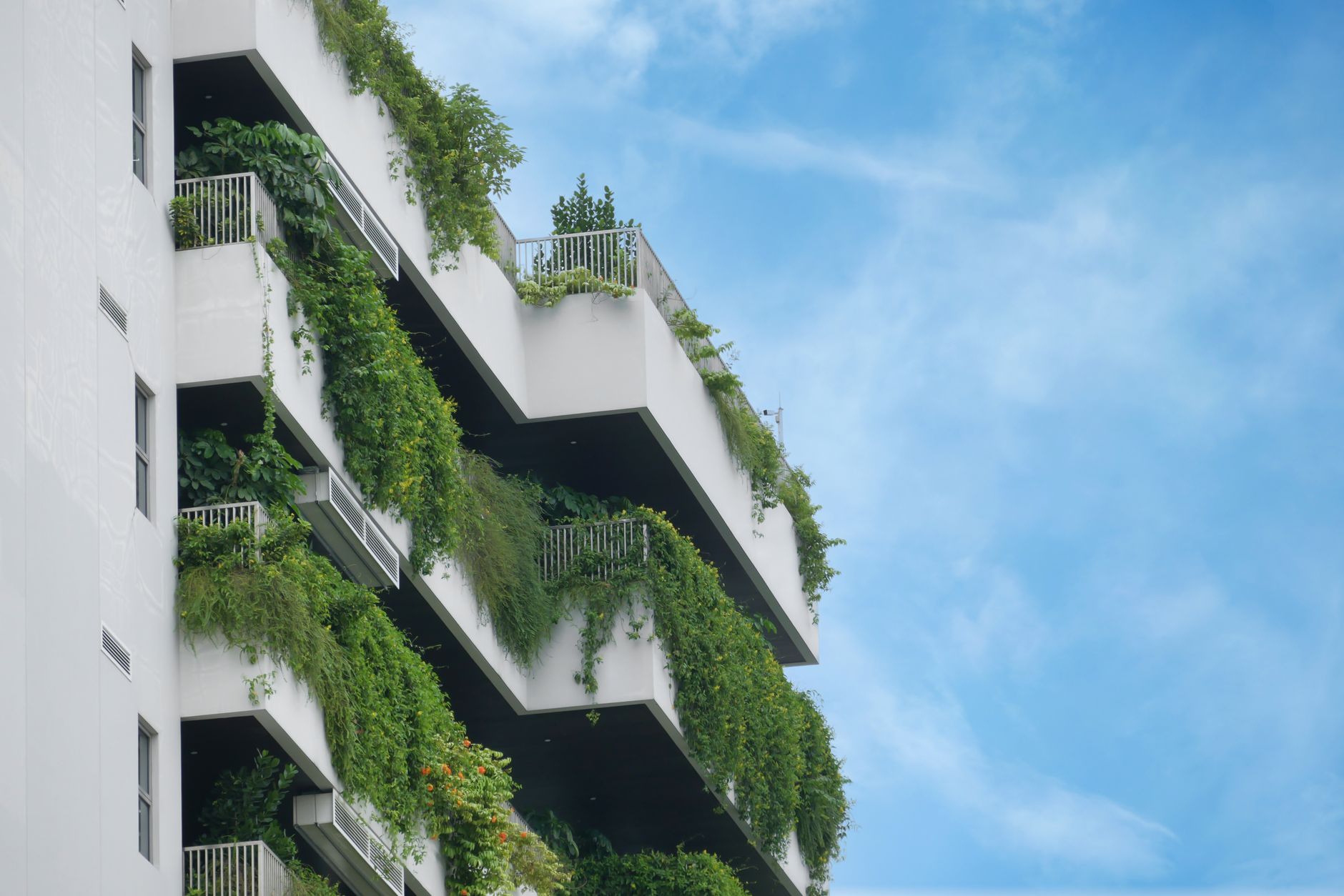
Engineering Space: Mastering Vertical Gardening Balcony Systems
The constraint of limited horizontal real estate on a typical urban balcony forces a fundamental shift in horticultural strategy. We move from traditional, ground-level cultivation to vertical systems, which fundamentally alters how we manage light exposure, water retention, and root access. Understanding the mechanics behind successful vertical gardening balcony setups requires an analysis of structural load, substrate management, and hydrological flow across stacked layers. This is not simply stacking pots; it is engineering a micro-ecosystem where every component must function optimally under specific environmental pressures.
Analyzing Structural Load and Material Selection
Before selecting any system, one must assess the physical capacity of the balcony itself. We observe that many older apartment balconies are not engineered to support the weight of saturated soil and moisture-heavy containers, which introduces a significant risk of structural compromise. Therefore, load-bearing capacity dictates the type of vertical structure we can implement safely.
Pallet systems emerge as an attractive, low-cost solution. When utilizing reclaimed wooden pallets, the critical factor shifts from material cost to structural integrity; the wood must be properly treated to prevent rot and pest infestation before use in a living environment. We analyze how weight distribution affects the balcony floorboards. A densely packed system requires rigorously calculated load assessments against local building codes, a step often overlooked by novice urban gardeners. Conversely, hanging systems necessitate robust anchor points, demanding careful assessment of the balcony’s mounting points to avoid catastrophic failure.
Choosing containers for small urban gardens: A Beginner’s Guide (https://twigharbor.com/choosing-containers-urban-gardening-2/) provides foundational knowledge on material properties, but the vertical application introduces a new layer of mechanical complexity regarding lateral stress. The choice between lightweight plastic, heavy terracotta, or composite materials directly impacts the overall system weight and the necessary reinforcement strategies. We see that lighter materials mitigate downward force, reducing the risk to the structure below.
Optimizing Water and Nutrient Delivery
The primary challenge in vertical setups is managing irrigation efficiently across multiple planes. Gravity assists in drainage, yet ensuring equitable water distribution among plants situated at different heights presents a unique hydrological puzzle. In practice, systems must incorporate an integrated, self-regulating watering mechanism or meticulous manual oversight to prevent overwatering on the lower tiers while allowing the upper tiers adequate moisture retention.
We look at wicking systems and self-watering reservoirs as superior solutions for maximizing water efficiency in these dense configurations. These mechanisms create a controlled capillary action that supplies moisture directly to the roots, minimizing evaporation losses associated with surface watering. This targeted delivery allows us to fine-tune nutrient uptake precisely where it is needed most.
Container crop combinations: Maximize Yields with Companion Planting (https://twigharbor.com/container-crop-combinations-companion-planting/) demonstrates how spatial arrangement influences resource allocation, a principle that scales directly to vertical gardening. By strategically placing plants with varying water demands or nutrient profiles in proximity, we can optimize the shared environmental resources within the confined space. For example, grouping moisture-loving herbs near drought-tolerant vegetables helps regulate the microclimate of the entire stack, reducing the overall evaporative demand on the system.
Harnessing Light Dynamics for Photoperiod Optimization
Light is the ultimate limiting resource in any growing environment. On a balcony, light intensity fluctuates dramatically based on the orientation, surrounding architecture, and the height of neighboring structures. This necessitates an understanding of how different vertical placements affect photoperiods throughout the day. South-facing walls receive consistent, high-intensity light, ideal for sun-loving edibles like tomatoes or peppers. North-facing spots offer cooler, diffuse light, which favors leafy greens and shade-tolerant herbs.
We must map the balcony’s light exposure precisely before implementing the vertical structure. Plants situated higher up will experience different light penetration patterns than those at the base, even if they are directly adjacent to the same window. This variance means that a uniform watering schedule is insufficient; environmental compensation must be built into the cultivation plan. Some plants will require supplemental LED lighting if the natural spectrum delivered by the balcony is insufficient for their specific metabolic requirements.
System Design: Hanging vs. Stacked Architectures
The choice between a purely hanging arrangement and a stacked, modular system determines the complexity of installation and the achievable yield density. Hanging systems offer flexibility, allowing easy repositioning based on shifting light conditions or seasonal plant rotation. However, they place more immediate stress on the securing hardware.
Stacked systems, conversely, create a dense, self-supporting structure that maximizes the use of vertical space by minimizing the footprint per plant. Designing these requires careful consideration of soil depth and drainage channels between levels to prevent cross-contamination of moisture or nutrient runoff between tiers. We observe that implementing proper layering—using coarse materials at the base for drainage and finer mediums higher up—is crucial for system longevity.
The mechanical connection points must be analyzed as failure points. Whether using tension rods, specialized brackets, or woven netting, every link in the chain must account for tensile strength. We are not just growing plants; we are managing a dynamic, multi-tiered physical system exposed to gravity and environmental flux.
Cultivating High-Yield Microclimates
Achieving maximum urban yields relies on optimizing the interaction between the chosen plant species and the specific microclimate created by the vertical structure itself. The proximity of dense foliage creates shade, which can reduce heat stress during peak summer hours, offering a slight thermal buffering effect compared to exposed containers. This self-shading mechanism is an emergent property of effective vertical design.
We find that companion planting strategies become exponentially more valuable in vertical environments. Since space dictates density, every square inch must contribute meaningfully to the overall biomass production. Pairing plants with complementary growth habits ensures that the limited nutrient pool is utilized optimally across the entire vertical plane. This synergistic approach moves cultivation beyond simple container management toward true ecological engineering on a small scale. The resulting harvest reflects a managed equilibrium between physical constraints and biological imperatives.
Tags: vertical gardening, balcony gardening, urban gardening, small space gardening, balcony hacks, container gardening, apartment gardening
Featured Image by Towfiqu barbhuiya on Pexels.