
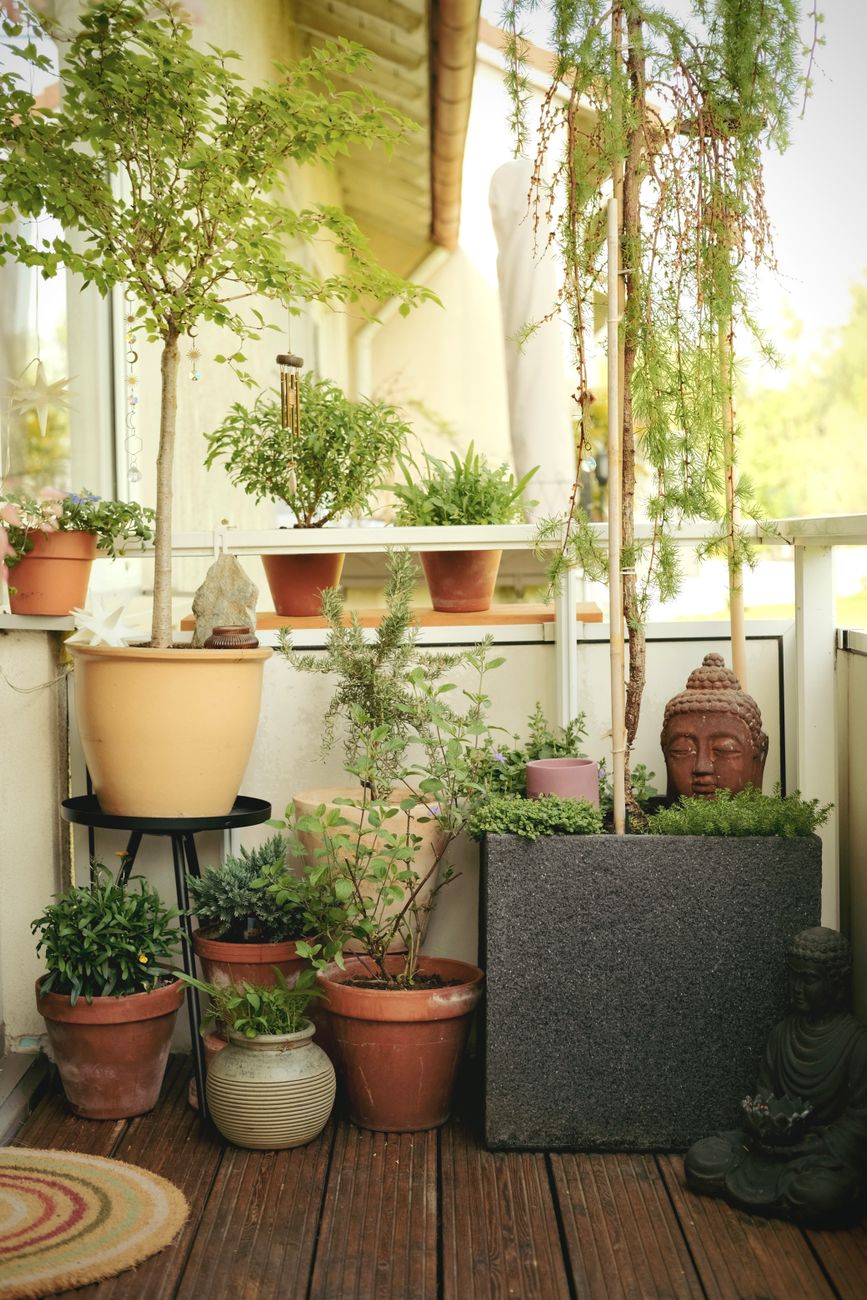
Optimizing Root Health: The Crucial Role of Container Selection
When initiating a small urban garden, the choice of container moves beyond mere aesthetics; it becomes a critical determinant of plant physiology and long-term yield potential. We observe from the data that the substrate volume, material composition, and surface area directly influence water retention rates, root aeration, and thermal regulation within the growing environment. Poor selection initiates cascading problems, often manifesting as root rot or nutrient lockout before any seeds even germinate successfully. Understanding the mechanics of container choice is foundational to successful small-scale cultivation.
Material Science Behind Pot Selection
The physical material of a container dictates how water moves through the system and how roots interact with the medium. Terracotta, for instance, possesses high porosity. This means it allows for rapid evaporative cooling from the soil surface, which can be beneficial in intensely hot climates. However, this rapid drainage also necessitates more frequent watering because the substrate depletes quickly. Conversely, plastic containers offer excellent water retention capacity but can create an insulating effect that may lead to excessive moisture buildup near the root zone if drainage holes are inadequate.
We must assess the trade-off between these materials and the desired plant needs. For vegetables requiring consistent, deep moisture, a slightly more porous material might be preferable. When designing systems focused on maximizing density, such as in vertical setups, the weight and structural integrity of the container become equally important variables we must quantify.
The Absolute Necessity of Drainage Mechanisms
The single most significant factor separating a thriving root system from a compromised one is effective drainage. Roots require oxygen to respire efficiently; when soil becomes waterlogged, anaerobic conditions develop, which suffocates the roots, leading directly to fungal infections and eventual necrosis. This mechanism demands that every container must possess functional exit points for excess moisture. Simply drilling a few holes at the bottom of a solid block of material is insufficient; the porosity of the material itself must be considered alongside the size and placement of these apertures.
In practice, we see that containers lacking adequate drainage risk creating micro-environments where water sits stagnant against the root mass. This stagnation prevents the necessary gas exchange for nutrient uptake. Therefore, selecting containers with well-engineered drainage systems is not optional; it is a mandatory prerequisite for container selection urban gardening.
Analyzing Container Dimensions and Root Space
The physical dimensions of the container directly correlate to the root system’s ability to expand and explore the medium. A common pitfall beginners encounter is selecting pots that are too small. Restricting root growth forces the plant into a stunted state, regardless of how perfectly balanced the nutrient solution is. We need to calculate the necessary volume required for the intended plant species; this involves consulting horticultural guidelines regarding root ball development.
For shallow-rooted crops like lettuce or herbs, shallower containers suffice. However, larger root vegetables, such as tomatoes or peppers, require significantly more spatial allowance to develop a robust system capable of supporting heavy fruiting. We observe that insufficient depth limits the ability of the plant to anchor itself and establish the necessary supportive vascular structure within the growing medium.
Substrate Mechanics: The Medium Matters More Than the Pot
The container is merely the vessel; the growing medium is where the biological processes occur. The substrate must be formulated specifically for urban conditions, compensating for the often limited nutrient supply inherent in small spaces. A standard garden soil composition will rarely suffice when restricted to a pot. We need media that prioritize aeration while retaining necessary moisture.
We analyze various mixes: peat-based mixes offer excellent water holding capacity but can compact easily. Organic amendments like compost or coco coir improve structure, enhancing the medium’s ability to manage water dynamics without becoming overly dense. The goal is to engineer a medium that acts as an efficient sponge and an aerated channel simultaneously. This careful formulation dictates how effectively the roots interact with the imposed physical boundaries of the container walls.
Scaling Up: Integrating Vertical Strategies
When horizontal space becomes severely constrained, the spatial efficiency of the system shifts toward vertical integration. Utilizing vertical gardening techniques fundamentally alters the interaction between container selection and plant density. Systems designed for vertical growth inherently manage water distribution across multiple levels simultaneously, reducing the risk associated with any single container failure.
For instance, in a vertical setup, the interplay between the container’s weight and the structural support becomes an engineering consideration. The design must account for the load-bearing capacity of the chosen materials relative to the plant mass and the weight of the water they will hold. This perspective changes how we evaluate pot size versus overall system yield potential. Examining specialized systems like Vertical Victory: Maximize Yields in Tiny Urban Gardens shows that maximizing surface area per square foot often supersedes optimizing individual container geometry when space is at a premium.
Choosing Containers for Specific Urban Crops
Different crops exhibit divergent requirements regarding root mass and water demands, compelling us to tailor the container choice accordingly. Root vegetables demand deep containers with ample substrate depth to develop extensive, anchoring root systems capable of sustaining heavy fruit load. Leafy greens thrive in shallower profiles where rapid nutrient delivery is prioritized over deep root development. Herbs require consistent moisture but tolerate slightly less dramatic fluctuations than fruiting plants.
We see that matching the container’s physical constraints to the plant’s biological needs minimizes stress and maximizes resource allocation toward photosynthesis rather than water management. This principle applies across all small urban gardening endeavors; precise selection optimizes the entire ecological interaction occurring within the pot.
Tags: urban gardening, container selection, small garden, potting, drainage, container guide, gardening tips
Featured Image by Laura Cleffmann on Pexels.