
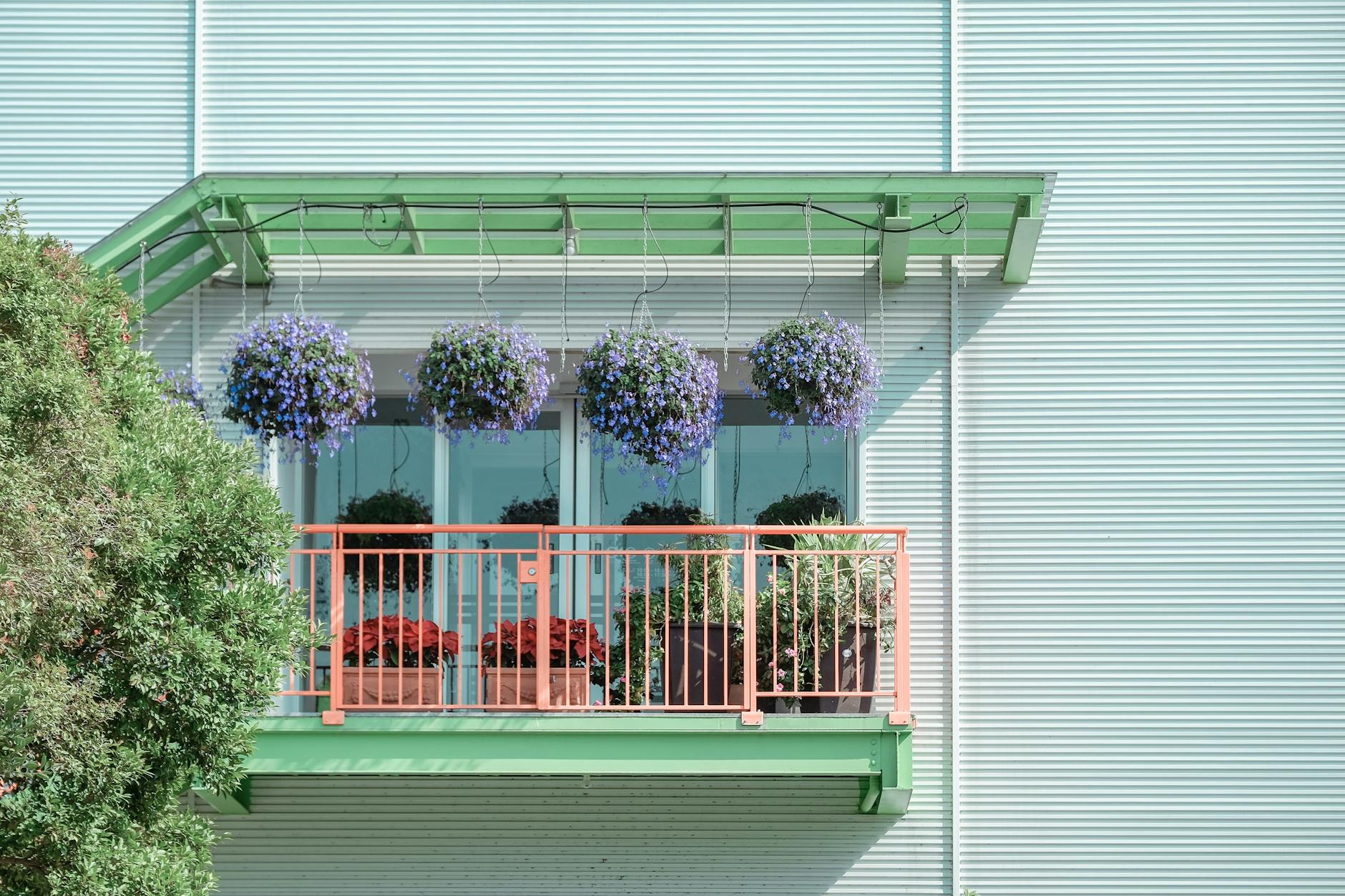
Decoding Your Balcony’s Microclimate for Thriving Blooms
Your balcony is not just a patch of concrete; it is a distinct environment. It experiences temperature shifts, sun exposure intensity, wind patterns, and moisture retention that are entirely unique compared to the garden beds down below. Ignoring these subtle variations means ignoring the most critical factor in successful container gardening: understanding your specific microclimate. This deep observation dictates which plants will survive, thrive, and deliver those coveted blooms you seek.
The first step is an honest assessment. Spend a full day tracking how the light moves across your space. Notice where the morning sun hits longest, where the afternoon shade settles, and where wind funnels against the railing. These sensory details translate directly into planting decisions. We are not just placing pretty pots; we are engineering a miniature ecosystem on a balcony.
Mapping Light Exposure: The Sun’s Unseen Influence
Light is energy. Plants convert that light into biomass. For container gardening, understanding the daily photoperiod—how many hours of direct, unfiltered sun each spot receives—is paramount to urban flower selection.
South-facing balconies in the Northern Hemisphere receive intense, long-duration sun exposure. These spots are ideal for sun-loving annuals and Mediterranean herbs that crave heat and strong light. East-facing spots get gentle morning sun; they benefit from plants that tolerate slightly less intensity, often those needing a bit more afternoon reprieve. West-facing areas endure the hottest afternoon spells, demanding plants with robust heat tolerance. North-facing spaces offer cooler, dappled light, perfect for shade-tolerant foliage and certain delicate bloomers.
A common mistake is assuming all balconies receive equal light. The proximity of neighboring buildings, the height of surrounding structures, and even the orientation relative to the city skyline create these subtle gradients. You must observe the plants you currently have, noting which ones are struggling or flourishing in specific spots. That empirical data supersedes any general guide.
Temperature Fluctuations and Wind Stress
Balconies are exposed canvases where temperature regulation is highly variable. Walls absorb and radiate heat differently than open fields, leading to rapid temperature swings between scorching summer afternoons and surprisingly chilly nights. Furthermore, wind exposure acts as an invisible pruning tool, increasing evapotranspiration rates and physically stressing delicate stems.
Plants must be chosen not just for light, but for their tolerance to these physical stressors. Tender annuals will wilt quickly when a cold front sweeps in unexpectedly. Hardy perennials or robust annuals that can handle sudden temperature dips offer greater longevity for your efforts. Consider the effect of prevailing winds. A balcony facing a major thoroughfare will experience constant wind shear. You need plants with dense, manageable growth habits, or you must employ structural solutions. For instance, utilizing vertical gardening systems, such as those attached to railings, offers a way to anchor plants against wind forces while maximizing growing space—check out Vertical Gardening Hacks for Balconies: Pallet Railing Solutions (https://twigharbor.com/vertical-gardening-balcony-pallets/).
Analyzing Moisture and Drainage Patterns
Water management is another critical variable. Pots drain differently based on soil composition, pot material, and the specific drainage provided by your balcony setup. Overwatering in a small container often leads to root rot, especially when water sits stagnant under dense foliage. Conversely, plants placed in perpetually shaded areas might suffer from dehydration if the substrate dries out too rapidly due to intense sun exposure.
Observing where water pools versus where it drains tells you about the specific drainage capabilities of your setup. If you are using raised beds or vertical systems, understanding how water moves through that structure becomes essential for long-term success. Poor drainage causes roots to suffocate; excessive dryness causes wilting and stunted growth. This mechanical process requires careful observation before planting seeds.
Selecting Plants Based on Environmental Demands
Once the physical parameters—light, temperature, and wind—are mapped, the focus shifts to plant selection. The goal is aligning the inherent needs of the plant with the reality of your balcony’s microclimate. This is the core of effective urban flower selection.
High-Light Champions for Sunny Spots
For those south or west-facing spots receiving 6+ hours of direct sun, prioritize plants built to handle heat and intense light. Succulents, certain varieties of Geraniums (Pelargoniums), and many Mediterranean herbs excel here. Tomatoes, when grown in large containers, thrive with this energy. Petunias, calibrachoa, and bright annuals offer continuous color payoff if the watering schedule is precise. These plants require consistently rich, well-draining soil to manage the high water demands of intense light.
Tolerant Companions for Varied Light Zones
Areas receiving moderate light—like east-facing spots or areas partially shaded by neighboring structures—demand slightly more flexibility. Leafy greens like Swiss chard and certain varieties of mint tolerate this intermediate range well. For flowering plants, shade-tolerant bloomers like Impatiens and Begonias perform admirably where direct midday sun is avoided. These plants adapt gracefully to the lower light intensity without becoming leggy or failing to produce color.
Adapting to Cooler, Shadier Conditions
North-facing or deeply shaded corners present a different challenge: maintaining sufficient energy for blooming when light resources are scarce. Here, focus on shade-loving foliage and less demanding bloomers. Hostas, ferns, and certain shade-tolerant violets thrive in these cooler conditions. While flowers might be less intensely colored, the focus shifts to structural beauty and foliage density. Container orchids or specific trailing ivies also establish themselves well in these more temperate, shadowed niches.
Managing Vertical Space Effectively
Because balcony space is inherently limited, maximizing vertical real estate becomes a strategy for success rather than just decoration. When horizontal space is restricted, you must think up. Utilizing walls to grow requires selecting plants that handle the specific conditions of vertical structures—the heat retention of concrete versus the evaporative cooling effect of a sheer wall. Systems designed to maximize this exposure allow you to introduce more diverse plant life into your limited footprint. For utilizing urban wall space effectively, explore Vertical Gardening Hacks for Tiny Urban Walls & Railings (https://twigharbor.com/vertical-gardening-hacks-urban-walls/).
Cultivating Success: Soil, Water, and Maintenance Protocols
Selecting the right plant is only half the battle. The success of any urban garden hinges on managing the physical inputs—the soil composition, the water delivery system, and the ongoing care routine specific to your balcony environment. These processes must be tailored to counteract the stresses of the microclimate you are trying to overcome.
Soil Composition: The Foundation of Health
Do not use heavy garden soil in containers. It compacts too easily and suffocates roots. For container gardening on a balcony, the substrate needs to be light, airy, and fast-draining. A quality potting mix formulated for containers provides the necessary structure. Incorporating amendments like perlite or coarse sand helps increase aeration, which is vital when roots are confined in small volumes. This improved porosity allows water to penetrate evenly and prevents the waterlogging that leads to root rot.
Water Delivery Strategy
Watering frequency changes drastically based on exposure. Plants in intensely sunny, windy spots will require more frequent attention than those in shadier, more sheltered corners. Monitor the soil moisture daily during peak summer heat. The method of watering itself matters. Consistent, deep watering encourages strong root systems that can handle fluctuating conditions better than shallow, frequent sprinkles. Consider self-watering containers if consistency is a major concern, especially when you are away or dealing with unpredictable weather patterns.
Pest and Disease Vigilance in Urban Settings
Urban environments present unique pressures. While the pest landscape might seem less diverse than a wild garden, the stress from heat and confined space can make plants more susceptible to opportunistic pests. Keep a close watch for signs of stress—wilting, discoloration, or sticky residue. Proactive monitoring prevents small issues from escalating into major problems that derail your season. A healthy plant is naturally more resilient to minor pest outbreaks because its system is optimized by the right environmental conditions and proper care.
Tags: urban gardening, balcony gardening, flower selection, microclimate, container gardening, small space gardening, city gardening
Featured Image by Kai-Chieh Chan on Pexels.