
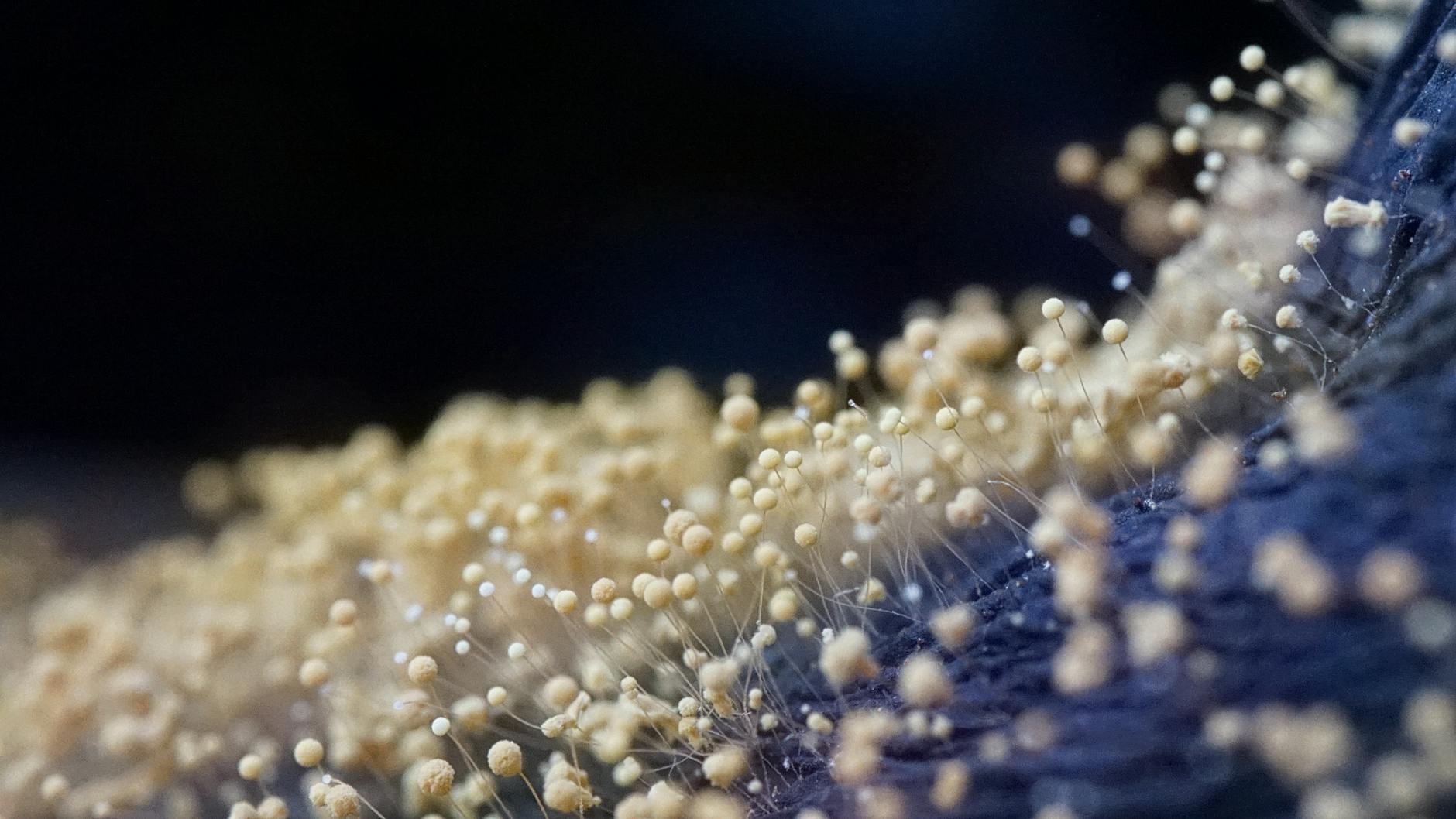
Understanding the Biology of Garden Problems
When you cultivate plants in a confined space, like a small urban garden, you invite a complex ecosystem to develop. This environment—limited space, concentrated moisture, and dense plant growth—creates perfect conditions for biological agents like fungi and mold to thrive. It is not an accident; it is a direct result of the interplay between water retention, air circulation, and organic matter decay. Understanding this mechanism is the first step toward effective fungus mold control small garden.
Fungi are decomposers. They break down dead organic material—leaves, roots, decaying wood—releasing nutrients back into the soil structure. This process is essential for healthy plant growth. However, when moisture remains trapped against porous surfaces or in overly saturated soil, this decomposition shifts from beneficial to detrimental. Mold and mildew thrive where air exchange is poor and humidity levels stay consistently high above 60%.
Mold itself is a type of fungus. It is the visible manifestation of fungal growth on a substrate. The mycelium, the root structure of the fungus, penetrates materials like soil particles or plant tissues, consuming the organic material. This process consumes resources from the plant, leading to stunted growth, compromised nutrient uptake, and weakened plant defenses.
Identifying the Signs of Fungal Infestation
Spotting the initial signs is crucial. Early intervention prevents a minor issue from escalating into a widespread blight. The visual indicators are often subtle at first, requiring a keen observational eye.
Visual Cues on Foliage and Surfaces
Look closely at the leaves. Discoloration—shifting from healthy green to patchy white, gray, or dark brown spots—is a major warning sign. These symptoms can signal various fungal infections. Examine the undersides of leaves, as this is often where moisture lingers longest. Check stems, potting mixes, and any structural elements surrounding your garden setup for fuzzy, powdery, or slimy growth.
When dealing with vertical setups, such as those utilizing containers on walls, these surface issues are particularly apparent. Excess moisture pooling between layers can create an ideal microclimate for mold colonization right where the roots meet the substrate.
Assessing Environmental Factors
The environment dictates the severity of the problem. High humidity, stagnant air, and poor drainage are primary drivers. In small urban gardens, especially those set up in shaded corners or against concrete walls, airflow is often restricted. This lack of air movement traps moisture near the plant material, creating damp, cool pockets perfect for fungal spores to germinate. Poor drainage means excess water sits at the root zone rather than percolating away.
Proactive Prevention Strategies for Mold and Fungus
Prevention demands a holistic approach focusing on managing the environment before introducing treatment. Controlling the conditions that foster growth is far more effective than fighting established infections. This strategy directly impacts your success in achieving fungus mold control small garden.
Mastering Moisture and Drainage
The most critical factor in preventing fungal issues is controlling water management. Plants need consistent moisture, but they absolutely cannot tolerate saturation. Ensure your containers have adequate drainage holes. If you are using raised beds or vertical systems, inspect the substrate regularly. Soil that is constantly soggy signals a severe drainage problem.
When selecting potting mixes for urban gardening, opt for lightweight, well-aerated mediums rather than heavy, dense soil. Materials like coconut coir mixed with perlite or vermiculite promote aeration, allowing air to reach the roots and preventing prolonged saturation. For vertical setups, understanding how water flows down through layers is essential; ensure that no water pools at the base of plant structures.
Optimizing Air Circulation
Stagnant air is an invitation for mold. Creating constant, gentle air movement helps dry surfaces quickly after watering or heavy dew. In balcony or wall gardening scenarios, positioning containers strategically can help mitigate this. Consider spacing your plants so that air can flow between them, rather than creating a dense, suffocating mass. For maximizing growth on vertical structures, understanding the principles of good airflow is key; explore resources on Vertical Gardening: Maximize Yield on Small Balconies and Walls to see how spatial arrangement affects this balance.
Selecting Appropriate Materials
The materials you use for containers, supports, and potting media must be considered. Avoid using untreated wood or porous materials that can trap moisture internally. Choosing non-porous, inert materials helps manage the boundary between the plant roots and potentially mold-prone surfaces. When setting up vertical gardens, ensure any mounting hardware is also dry and resistant to moisture retention.
Effective Treatment Methods for Existing Issues
If you detect signs of mold or fungal infection, immediate, targeted action is necessary. The treatment method depends entirely on the severity and the specific substrate affected.
Dealing with Surface Mold
For superficial mold growth on leaves or container surfaces, physical removal is the simplest first step. Gently wipe away the visible mold using a soft cloth or a mild solution of water and a small amount of dish soap. This physically removes the fungal hyphae. For larger infestations on porous materials, consider using a diluted vinegar spray, which acts as a mild fungicide and is safe for most garden surfaces.
Treating Soil and Substrate Infections
Mold deeply embedded in the potting mix requires a more nuanced approach. If the substrate itself is heavily affected, you may need to address the root cause first—drying out the area completely and improving aeration immediately. For deeper soil issues, some organic treatments can be beneficial. Applying a light application of beneficial microorganisms or horticultural oils can help restore the balance of the soil microbiome, making it less hospitable for pathogenic fungi to dominate.
Systemic Treatments and Cultural Adjustments
Once surface mold is managed, focus shifts to cultural adjustments that support long-term health. Ensure that future watering practices are precisely measured, avoiding overhead watering which promotes surface dampness. Practice regular inspection; catching minor spots early prevents the fungal network from spreading throughout the entire garden space. Remember, this process requires patience and consistent environmental management rather than a single chemical shock.
Tags: mold control, fungus management, urban gardening, container gardening, indoor gardening, plant health, garden problems
Featured Image by Jeremy Wong on Pexels.