
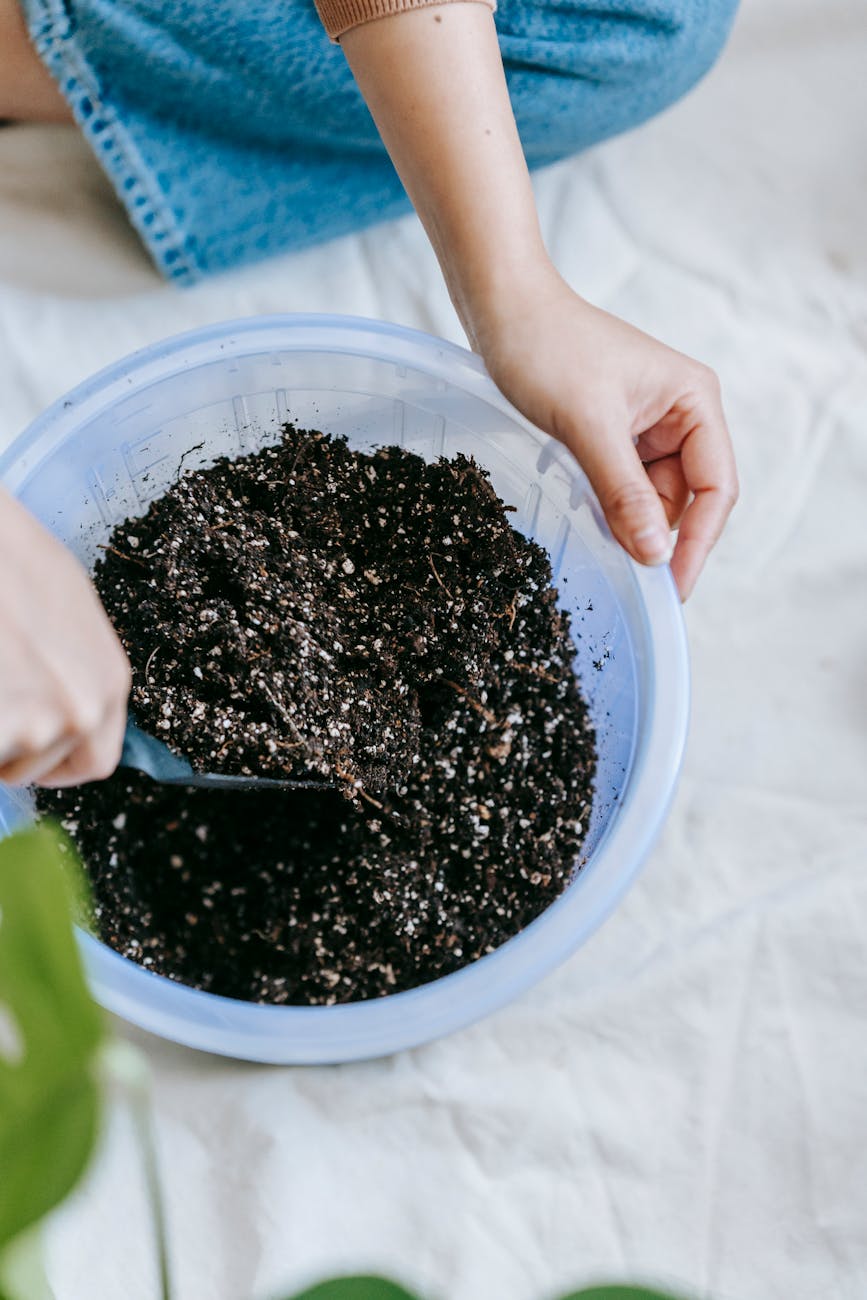
Understanding the Composition: What Makes Great Potting Mix for Urban Gardening?
Starting an urban garden, whether it’s a balcony container or a small patio plot, hinges on one fundamental decision: the soil itself. Forget the idea that any dirt will suffice. The material you choose acts as the entire growing medium; it dictates water retention, aeration, nutrient availability, and root health. Selecting the right potting mix for urban gardening is not a minor detail; it is the foundation upon which your entire harvest will be built. Poor soil means stressed plants, slow growth, and frustrating failures.
We need to look beneath the surface of what potting soil actually is. It’s far more complex than just mixing dirt with some compost. Think of your potting mix as a carefully engineered ecosystem designed to balance moisture, air, and nutrition for container-bound roots.
The Essential Components: Balancing Structure and Nutrition
A truly effective potting mix achieves a delicate equilibrium between three primary structural elements: aeration, water retention, and nutrient supply. If one element is too dominant, the entire system fails.
Particle Size and Aeration
Roots require oxygen to respire efficiently. When soil particles are too fine—like pure clay or dense garden soil—they pack too tightly. This creates anaerobic conditions where water sits stagnant, leading to root suffocation and potential fungal issues like root rot. Excellent potting mixes utilize materials that create space between the particles, allowing air pockets to form.
Coarse materials, such as perlite or coarse sand, introduce these crucial air channels. They prevent compaction, ensuring that roots can breathe freely while still having access to necessary moisture. This process is vital when you are managing limited space in an urban setting.
Organic Matter: The Nutrient Reservoir
The organic component provides the slow-release food source for your plants. Compost, aged manure, or peat moss contribute humus—the decomposed matter that feeds the microbial life essential for nutrient cycling. Without this organic base, even if you add synthetic fertilizers, the plants will starve slowly over time. High-quality potting mixes incorporate this rich material to ensure sustained health.
Water Management: The Sponge Effect
The ability of the mix to hold water without becoming waterlogged is perhaps the most critical functional aspect for container gardening. Urban environments can experience intense, rapid drying or excessive, heavy watering depending on placement and exposure. A good mix balances the capacity to hold moisture with the porosity needed for drainage. This balance prevents the soil from becoming a heavy, impermeable brick when wet, yet ensuring it doesn’t dry out too quickly between waterings.
Deconstructing Potting Mix Materials: Peat vs. Coir vs. Coco Coir
When shopping for your potting mix for urban gardening, you will encounter several common base materials. Understanding the differences between these components reveals why some mixes perform better than others in small, high-intensity settings like city balconies.
The Role of Peat Moss: History and Modern Concerns
For decades, peat moss has been a staple in many commercial potting mixes due to its high cation exchange capacity and water-holding properties. It provides the structure that allows other amendments to settle evenly. However, this material comes with significant environmental considerations. Its harvesting impacts fragile bog ecosystems. As urban gardeners become more conscious of sustainability, exploring alternatives is becoming increasingly important for responsible growing practices.
Coconut Fiber: A Sustainable Alternative
Coco coir, derived from coconut husks, is rapidly gaining traction as a superior alternative. It offers excellent water retention and aeration properties. Furthermore, its sourcing presents a less ecologically damaging profile than peat harvesting. When integrated into your potting mix, it provides the necessary structure to support vigorous root growth in containers. This material effectively manages moisture fluctuations common in exposed urban settings.
Perlite and Vermiculite: Enhancing Aeration
These materials function primarily as lightweight fillers. Perlite, a volcanic glass byproduct, creates small, porous spheres that dramatically increase aeration by creating air space throughout the medium. Vermiculite acts similarly, improving water retention while simultaneously ensuring excellent drainage pathways. Incorporating these elements directly addresses the compaction issue inherent in dense soil structures.
Compost and Worm Castings: The Nutritional Anchor
While structure and water management are physical concerns, nutrition is chemical. Adding high-quality compost or worm castings ensures that when you water your plants, they receive a slow, steady release of essential micronutrients. This organic infusion is what separates simple dirt from living, feeding soil. Aim for mixes where the compost content is high; this anchors the system in life-giving elements rather than just inert filler.
Customizing Your Mix: Tailoring the Formula to Your Urban Needs
The perfect potting mix formula is not a one-size-fits-all recipe. It must be customized based on what you are growing and the specific environment your containers face. A succulent mix requires drastically different proportions than a lettuce or herb mix.
Herb Gardening Specifics: Focus on Drainage
When cultivating culinary herbs in small urban spaces, drainage becomes paramount. Herbs, particularly Mediterranean varieties like rosemary or thyme, despise sitting in perpetually soggy conditions. Therefore, for these applications, you must prioritize materials that facilitate rapid water exit. A mix rich in coarse materials and high-quality compost ensures the roots remain dry between waterings, preventing root rot common when using Container Gardening for Culinary Herbs in Small Urban Spaces.
Vegetable Growing Demands: Balancing Nutrition and Structure
Growing vegetables demands a robust nutritional base because these plants are heavy feeders. For container vegetable gardening, you need a mix that supports dense root systems while still offering excellent aeration to prevent compaction over time. Experimenting with mixes that incorporate materials like expanded shale or coarse sand alongside organic matter provides the necessary physical support for heavier, more demanding crops. Consider how your space is utilized; if you are aiming for density, exploring techniques like Vertical Vegetable Gardening for Tiny Urban Balconies might guide your soil choices toward lighter, more aerated blends.
Indoor vs. Outdoor Mixes: Adjusting for Environment
The environment dictates the necessary mix adjustments. Plants grown indoors often require a slightly finer texture to manage moisture retention over longer periods in stable, controlled environments. Conversely, outdoor container plants exposed to direct, intense sunlight benefit from mixes that offer superior aeration and drainage to handle fluctuating temperature and heavy rain events without becoming waterlogged or overly compacted.
Practical Application: Mixing Your Own Optimal Potting Mix
While pre-made mixes are convenient, understanding the process allows you to achieve a truly bespoke result, maximizing your investment in quality growing medium. Creating your own mix gives you total control over the chemical balance and physical properties of the final product.
The Basic Ratio Framework
A common starting framework for most container gardening applications looks something like this:
- Base (Structure): 40–50% high-quality organic material (e.g., peat alternative, coco coir).
- Aeration: 30–40% porous material (e.g., perlite, coarse sand, rice hulls). This is non-negotiable for urban settings.
- Nutrition: 10–20% rich organic amendments (compost, worm castings).
The Mixing Process Explained
Begin by selecting your desired base structure. Next, introduce the aeration agents to achieve the desired porosity. Then, carefully incorporate your nutrient source—the compost layer. Mix thoroughly until the color and texture are homogenous throughout. Test a small sample before filling large containers with this custom potting mix for urban gardening. This iterative testing ensures that the specific blend you create perfectly suits the plants you intend to grow in your city space. Mastering this balance transforms simple dirt into a high-performance growing medium, ensuring success from seed to harvest.
Tags: potting mix, urban gardening, container gardening, soil science, gardening tips, plant food, soil composition
Featured Image by Teona Swift on Pexels.