
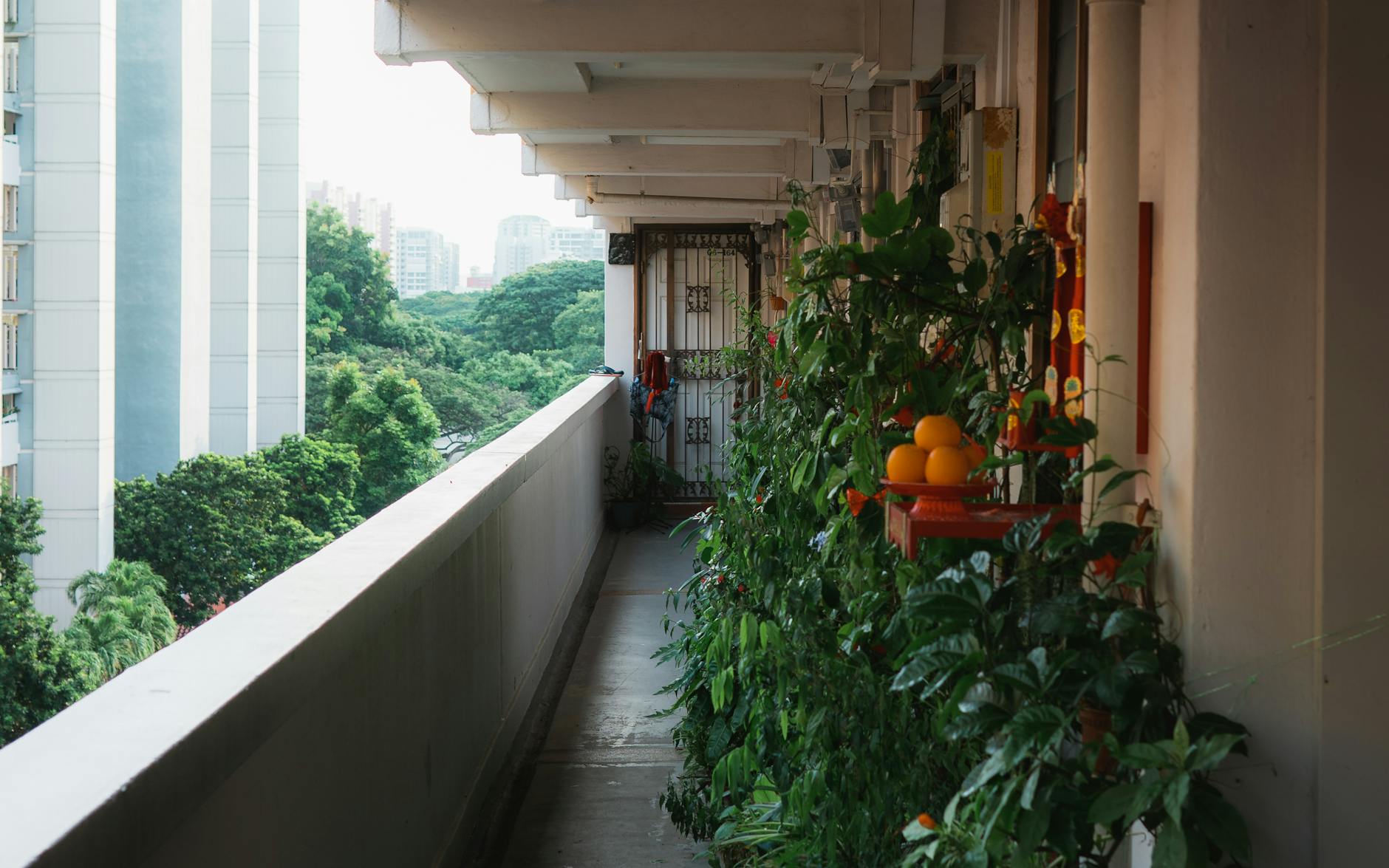
The Art and Science of Vertical Vegetable Gardening on Urban Spaces
Balconies, patios, and small yards often feel like constraints. Yet, for the urban gardener, these overlooked spaces become prime real estate when approached with vertical thinking. Moving cultivation upwards transforms a flat expanse into a multi-tiered ecosystem, dramatically increasing the usable growing area without demanding excessive horizontal footprint. This shift isn’t just aesthetic; it’s a fundamental recalibration of how we manage light, water, and nutrient delivery in confined city environments. Mastering vertical vegetable gardening is about understanding plant architecture and optimizing resource flow in three dimensions.
Why Vertical Gardening Solves Urban Space Constraints
The primary driver for adopting vertical methods is simple geometry: maximizing yield per square foot. When space is limited, the goal shifts from broad rows to layered systems. Think of a balcony railing or an exterior wall not as a boundary, but as a functional trellis system. This strategy directly addresses the scarcity inherent in city living.
The mechanism at play here involves efficient light interception. By stacking plants vertically—using trellises, hanging pockets, or stacked containers—you ensure that each plant receives the necessary direct sunlight without competing excessively for horizontal space with other elements. Sunlight is the engine of growth; positioning plants to intercept maximum photons dictates success. Furthermore, vertical systems create microclimates. Plants growing in staggered layers experience different air currents and moisture retention rates, allowing for nuanced environmental management essential for diverse vegetable types.
Choosing Your Vertical Growing System
Selecting the right structure is the first critical step. Not all vertical systems are created equal; some prioritize structural support, others focus on drainage, and still others integrate composting functions. The choice depends entirely on the specific balcony characteristics—weight limits, sunlight exposure, and desired aesthetic integration.
Trellises: The Backbone of Vine Cultivation
Trellises offer unparalleled structural integrity for vining plants like cucumbers, beans, peas, and indeterminate tomatoes. A well-built trellis system provides the necessary vertical support to allow sprawling vines to climb and maximize their photosynthetic surface area. When selecting a trellis, consider material density and longevity. Wooden stakes or metal grids provide robust support for heavier, fruit-bearing plants. For maximizing yield on a small balcony, aim for systems that allow multiple plants to share a single vertical plane effectively. The goal is to create an interconnected framework where the plant’s growth dictates the structure’s function.
Stacked Planters and Pocket Systems
For container gardening enthusiasts, stacking planters and pocket systems offer flexibility. These systems utilize the vertical space not just for support but also for containment. You can layer shallow containers or use vertical fabric pockets to hold soil beds directly against a wall. This method is excellent for root vegetables, herbs, and smaller-leafed greens. The key here is ensuring proper drainage; water accumulation in stacked setups must be managed carefully so that roots do not become waterlogged, a common pitfall when gardening vertically.
Pallet and Repurposed Material Solutions
Repurposing materials like wooden pallets or sturdy PVC pipes into vertical frames introduces an element of rustic design while solving the space issue. These solutions require careful treatment to ensure they are safe for edible plants, avoiding chemical leaching from treated wood. The structural integrity must be assessed rigorously before heavy loads are introduced, especially when considering the weight of saturated soil and mature plants.
Optimizing Resource Flow: Water, Nutrients, and Pest Management
Vertical systems concentrate resources; therefore, managing them becomes even more precise. Because plants in dense vertical arrangements share root space and water access, deficiencies can manifest faster if not managed proactively.
Efficient Watering Techniques
Watering vertically stacked gardens requires a different approach than traditional single-bed watering. Because the soil volume is often shallower or distributed across multiple containers, the risk of rapid drying is amplified. Implementing drip irrigation or self-watering pockets within vertical setups ensures that moisture delivery is targeted directly to the root zone. This precise method minimizes water waste and prevents the stress associated with uneven hydration across different levels. Monitoring soil moisture becomes a daily practice rather than an occasional check.
Nutrient Delivery in Multi-Tiered Systems
Nutrient imbalance is a constant threat in intensive gardening. When you grow multiple crops in close proximity, nutrient demand fluctuates based on which plant is actively photosynthesizing at any given moment. A balanced feeding schedule is essential. If you are incorporating organic matter into your system—perhaps using worm bins for compost—the resulting soil amendments will feed the vertical structure effectively. Understanding the interplay between soil health and vertical growth requires recognizing that the medium itself is a living component. For instance, healthy soil resists pest infestation better than stressed, nutrient-poor soil. If you notice signs of pests like aphids or spider mites, strengthening the plant’s natural defenses through superior nutrition often proves more effective than immediate chemical intervention, especially when dealing with indoor or semi-outdoor environments.
Integrated Pest Observation
Dense planting increases the potential for pest migration. When plants are closely packed vertically, airborne pests can move rapidly between neighboring plants. Regular, close inspection is non-negotiable. Observing subtle changes in leaf texture or presence of small insects allows you to intervene early. Understanding the life cycle and dispersal patterns of common issues, such as the difference between aphids and spider mites, helps dictate a targeted response. Early detection prevents widespread damage that can undermine the entire vertical effort.
Selecting the Right Plants for Vertical Growth
Not every vegetable thrives equally well in a confined vertical environment. Successful vertical vegetable gardening relies on selecting species suited to the constraints of the space—specifically light intensity and root depth requirements.
Light Requirements Dictate Placement
South-facing balconies receive the most intense, sustained light necessary for sun-loving crops like tomatoes, peppers, and beans. These should occupy the uppermost or most exposed tiers. North-facing areas require shade-tolerant greens, herbs, and leafy vegetables such as lettuce, spinach, and mint. Positioning plants based on their specific photoperiod needs prevents light competition where it is most damaging. Observing how shadows shift throughout the day gives you a real-time assessment of your microclimate.
Root Depth Considerations
Root vegetables, like carrots or radishes, require deeper soil profiles than leafy greens. When using stacked containers, ensure that the depth allocated to these root crops is sufficient for proper development. Shallow containers necessitate the use of smaller varieties or an emphasis on shallow-rooted herbs and beans. Planning your vertical layout should account for this dimensional necessity; don’t force deep roots into shallow pockets.
Building a Sustainable Vertical Ecosystem
The long-term success of any balcony garden rests on creating a closed-loop, sustainable system. This moves beyond simply placing pots on a wall; it involves establishing processes that recycle waste and manage biological health continuously.
Integrating Composting for Soil Enrichment
To maintain vibrant growth without constant reliance on external bagged soil, incorporating composting into your vertical setup is highly beneficial. Worm bins, for example, produce nutrient-rich castings perfect for infusing the growing medium. The organic matter returned to the system improves water retention and provides slow-release nutrients that support vigorous vertical growth. When you focus on creating healthy compost, you are feeding the entire structure, not just individual plants. Understanding how microbial activity enhances soil structure is key to making your small space highly productive.
Managing Airflow and Humidity
In dense vertical arrangements, stagnant air can foster fungal diseases. Ensuring adequate airflow between stacked layers prevents moisture buildup against foliage. This requires strategic spacing and ensuring that the support structures allow for some air circulation. Monitoring humidity levels also becomes important; overly damp conditions encourage mildew and weaken plant resistance to pests. Maintaining a balance between moisture retention and air movement is crucial for long-term, healthy harvests.
By treating your balcony as an interconnected growing system—focusing on structure, light management, precise hydration, and biological cycling—you transform a small urban space into a highly productive vertical garden. The results are not just a few extra tomatoes; they are a demonstration of how intelligent design can overcome spatial limitations.
Tags: vertical gardening, balcony gardening, urban gardening, small space gardening, container gardening, vegetable growing, apartment gardening
Featured Image by William Gan on Pexels.