
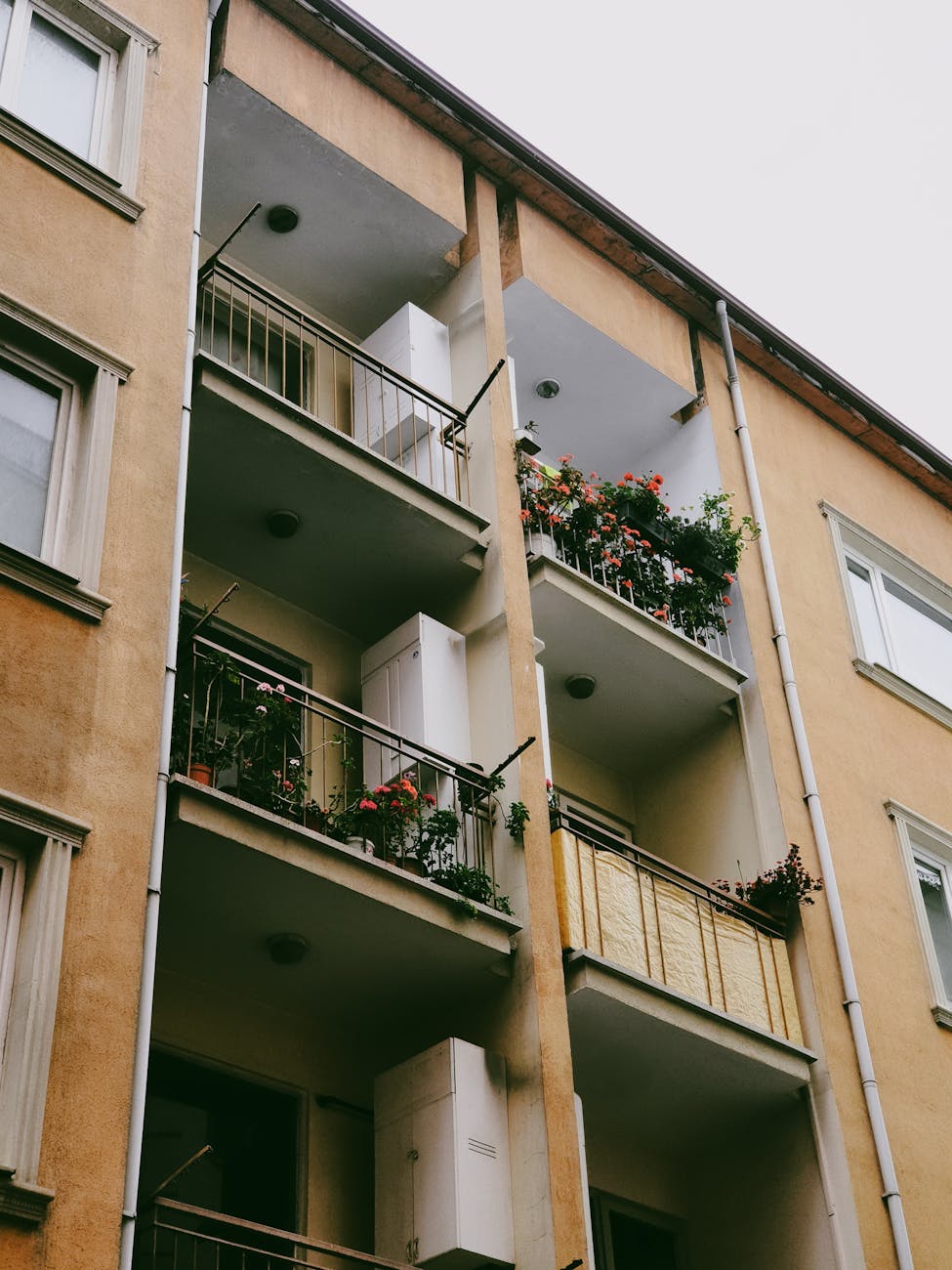
Maximizing Yields on Limited Urban Real Estate
Living in a dense urban environment presents a unique challenge for the gardener. Space is often the most constrained resource. Yet, this constraint forces ingenuity. We are not limited by square footage; we are limited by vertical space. Transforming overlooked architectural features—walls, railings, and fences—into productive growing surfaces unlocks exponentially more potential for food production. This approach shifts gardening from a horizontal plane to a three-dimensional strategy. It demands an understanding of structural support and water management.
The concept of vertical gardening small space is no longer a niche hobby; it is an essential design principle for city dwellers. The mechanism behind this success lies in maximizing surface area exposure without encroaching on floor space. Think about the implications: a single wall, previously just a boundary, becomes an entire growing ecosystem. We must engineer these systems carefully. Poor structural choices lead to inevitable failure when weight and moisture are introduced.
Assessing Your Urban Vertical Canvas
Before installing anything, a critical analytical step is assessing the substrate. Not all urban surfaces are equally suitable for intensive gardening. The material dictates the necessary hardware and potential longevity of the setup. Concrete blocks offer robust support but require specific anchoring methods. Wooden railings introduce concerns about rot and exposure to moisture cycles. Metal fencing requires specialized brackets that resist rust.
Observe the light exposure too. South-facing walls provide consistent, intense light ideal for sun-loving herbs and tomatoes. North-facing surfaces demand shade-tolerant greens and shade-loving ornamentals. East-facing areas receive gentle morning light. West-facing spots experience harsh afternoon heat. Understanding this microclimate dictates which plants will thrive. You must align your plant choices with the physical reality of the wall itself, much like understanding how to select flowers for your urban microclimate when you consider [Balcony Bloom Secrets: Choosing Flowers for Your Urban Microclimate].
Selecting the Right Growing Systems
The choice of system directly impacts accessibility and water efficiency. We need solutions that manage gravity effectively while allowing root systems adequate aeration. Simple hanging pockets are excellent for shallow-rooted herbs, offering immediate access to sunlight. These require minimal structural commitment. However, for deeper-rooted vegetables or climbing plants, a more robust framework is necessary.
Trellis systems, such as staggered slats or woven mesh, provide the necessary linear structure for vines. When planning these, consider plant density. Overcrowding leads to competition for nutrients and restricted airflow, creating conditions ripe for fungal issues. A well-designed trellis allows air to circulate around the foliage, which is paramount in damp urban settings.
Pocket systems excel when dealing with smaller containers or shallow soil beds. They are perfect for stacking lightweight planters directly onto a sturdy rail. The key mechanism here involves ensuring adequate drainage channels within the pocket itself. Water pooling at the base of the container invites root rot, a common pitfall in confined spaces. For those looking to manage complex watering schedules efficiently, exploring [DIY Self-Watering Systems for Tiny Urban Containers] can provide a framework for maintaining consistency across all your vertical installations.
Structural Integrity and Load Management
This is where many urban gardening attempts falter. A system must withstand the weight of saturated soil, the weight of moisture fluctuations, and the force exerted by wind. Ignoring structural engineering invites disaster.
For heavy-duty setups, consider anchor points into the building structure itself rather than relying solely on the surface material. If you are attaching a substantial planter box to an exterior wall, the bolts or anchors must be rated for significant tensile load. Incorrect fastening can cause plaster to crack or railings to warp over time. Always calculate the total weight—potting medium plus water—before selecting hardware.
Metal railings demand careful assessment of corrosion. Any system in contact with exterior metal requires protective treatments or materials resistant to oxidation. Rust compromises both the structure and the growing medium. A slow, steady application of a protective sealant is often more effective than relying on simple paint jobs alone when dealing with constant exposure.
Water Management: The Hidden Challenge
Watering vertically presents distinct challenges compared to traditional in-ground gardening. Water flows down, and evaporation rates change based on the exposed surface area versus the soil volume.
Implementing efficient watering means minimizing runoff while ensuring deep saturation. If you are using a self-watering system integrated into your vertical design, you control the reservoir directly. This creates a localized, consistent moisture source for the roots, reducing the frequency of manual intervention required. The principle is to create a closed or semi-closed loop where possible, managing the water within the structure itself rather than allowing it to escape immediately.
When selecting plants for these systems, consider their specific water requirements. Succulents need significantly less frequent watering than leafy greens. Tomatoes require deep, consistent moisture. Matching the plant’s thirst to the system’s capacity is a fundamental rule of successful vertical cultivation in small urban spaces. Observing how different plants interact with the dampness dictates your long-term success.
Cultivating Specific Urban Environments
Different types of walls and railings demand tailored approaches. A solid brick or concrete wall offers excellent thermal mass, meaning it retains heat during cooler periods, which can be beneficial for certain root crops. Conversely, a wooden trellis benefits from natural porosity but requires diligent moisture management to prevent warping.
For small spaces, think about stacking layers if the wall depth allows. One layer might support shallow-rooted herbs, while an adjacent layer, anchored securely, could hold larger containers for vining plants. This layered approach maximizes the use of every available inch of vertical dimension. It’s an exercise in spatial density. The goal is to create interconnected micro-environments where plant health feeds into the overall aesthetic and yield of your urban garden.
The process requires observation. You watch how morning dew dries or how afternoon sun scorches specific plants. You monitor drainage patterns daily. This iterative feedback loop transforms a simple installation into a responsive, living system. Mastering vertical gardening small space is less about finding a perfect pre-made solution and more about applying engineering principles to your immediate surroundings. It is about turning architectural limitations into fertile opportunities.
Tags: vertical gardening, small space gardening, urban gardening, container gardening, city gardening, vertical gardens, apartment gardening
Featured Image by Ece Ebrar TOYCU on Pexels.