
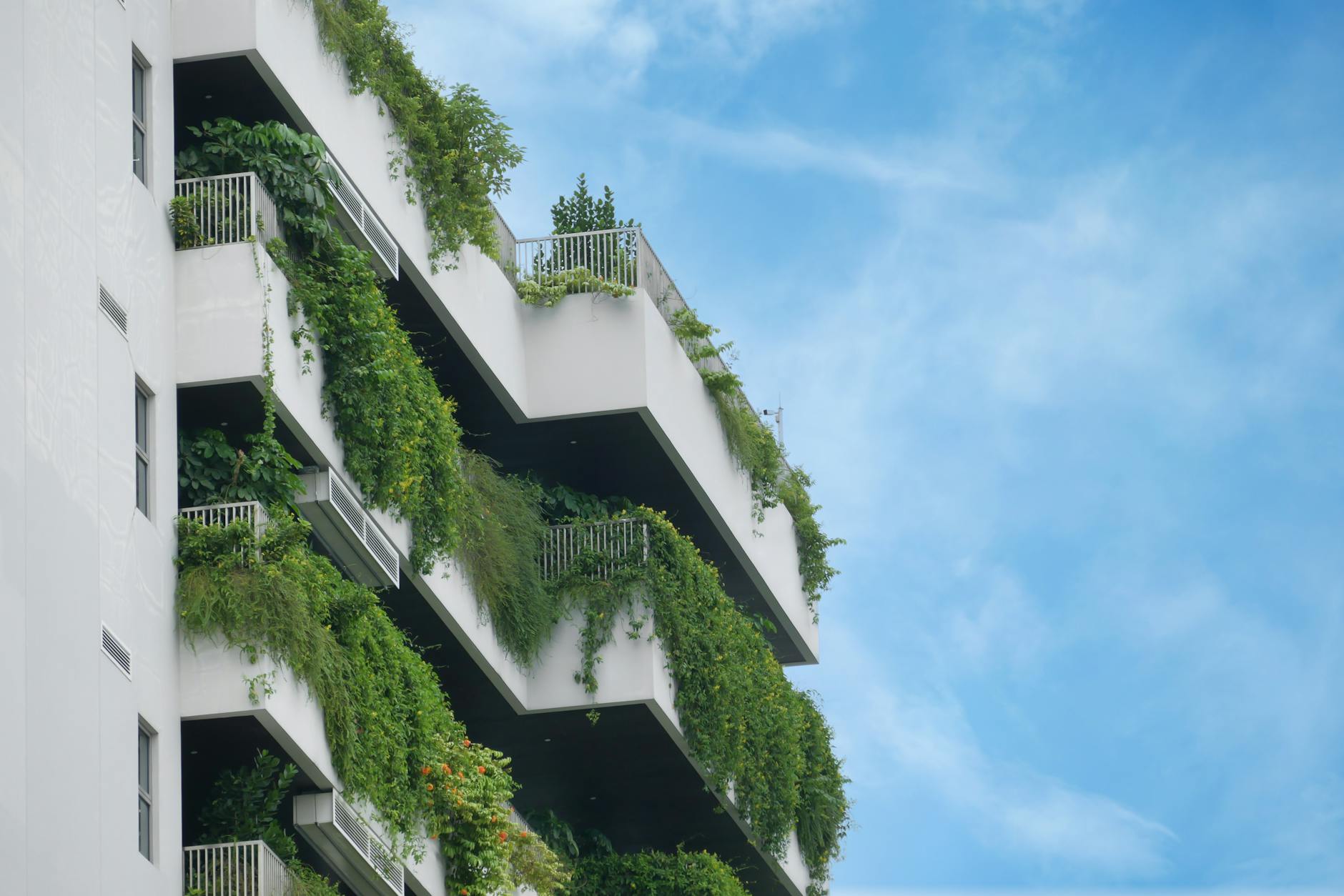
Vertical Gardening Hacks for Balconies: Maximize Your Urban Yield
Your balcony, once just an outdoor extension of your living space, can be transformed into a vibrant, productive green oasis. For urban dwellers, limited square footage often means limited growing potential, but don’t let that hold you back! Vertical gardening balcony systems are the secret weapon for maximizing yields, bringing fresh herbs, vegetables, and flowers right to your doorstep, no matter the size of your space.
This comprehensive guide will walk you through all the best hacks, systems, and tips needed to turn your balcony into a thriving edible landscape. Whether you have a tiny railing or a large expanse, we’ll show you how to design, build, and manage an incredibly productive vertical garden.
Why Vertical Gardening is Essential for Small Urban Spaces
Living in cities often means sacrificing yard space. When horizontal gardening isn’t feasible, going up is the only logical solution. Vertical gardening balcony setups offer several profound advantages for city gardeners:
Maximizing Limited Square Footage
The most obvious benefit is space efficiency. Instead of sprawling out, vertical systems utilize the vertical plane, turning an unused wall or railing into a productive growing surface. This allows you to grow multiple plants in the space previously occupied by just one large planter.
Increasing Growing Density
By stacking plants vertically, you dramatically increase the amount of food you can harvest from a small footprint. Imagine growing tomatoes, lettuce, and strawberries all in one concentrated area—that’s the power of vertical design.
Improving Airflow and Root Health
When plants are stacked vertically, they often benefit from better air circulation. This airflow prevents stagnant, humid air pockets that can lead to fungal diseases, ensuring your plants remain healthy and robust.
Aesthetic Appeal
Beyond pure yield, a well-designed vertical gardening balcony adds incredible visual interest to your urban environment. Lush green walls instantly elevate the aesthetic of your balcony, turning a simple outdoor space into a beautiful sanctuary.
Choosing the Right Vertical Gardening System for Your Balcony
The “best” system depends entirely on your balcony’s size, weight capacity, available space, and how much maintenance you are willing to commit. Here are some of the most popular and effective methods:
Pallet Gardening: The Rustic & Reusable Solution
Wooden pallets offer a fantastic, rustic, and highly customizable option for DIY vertical gardening.
- How it works: Wooden pallets can be stacked horizontally or vertically, often secured with sturdy brackets. You can use the slats to create tiered planters or attach wooden crates to a wall.
- Pros: Affordable, readily available, excellent for creating a rustic aesthetic.
- Cons: Requires treatment (if using untreated wood), needs secure mounting, and may not be ideal for very heavy, wet soil over long periods without proper waterproofing.
Hanging Planters: Ideal for Railings and Walls
For balconies with limited floor space, hanging systems are perfect for maximizing vertical space directly against railings or walls.
- Macrame and Rope Systems: Using thick rope or macrame hangers allows you to suspend lightweight pots or fabric grow bags from the railing. This is excellent for herbs and trailing vegetables.
- Pocket Systems: Fabric or felt pocket systems can be securely fastened to a wall or railing, providing a soft, contained space for shallow-rooted plants like strawberries or lettuce.
Stackable & Modular Shelving Units
For those who prefer a cleaner, more modern look, modular shelving units provide excellent structure.
- Tiered Shelves: These allow you to stack multiple planters on top of each other, perfect for maximizing height while keeping the base footprint manageable.
- Ladder Shelves: These are great for utilizing vertical wall space and offer distinct levels for different plant types.
Container Gardening: The Versatile Foundation
No matter which structural system you choose, your containers need to be appropriate.
- Fabric Grow Bags: These are lightweight, breathable, and excellent for root aeration. They are ideal when combined with hanging or wall systems.
- Recycled Plastic Containers: Repurposed buckets or large food-grade bins can be cut or modified to create unique vertical planters. Ensure they have adequate drainage holes!
Step-by-Step Guide: Building Your Vertical Garden
Ready to start building your dream vertical gardening balcony? Follow these practical steps to ensure a successful setup.
Phase 1: Planning and Assessing Your Space
Before you buy any materials, take time to observe your space meticulously.
- Measure Everything: Determine the exact dimensions (height, width, depth) of the area you intend to use. Note where water sources or sunlight patterns shift throughout the day.
- Assess Weight Limits: If you plan on using heavy soil and water, check if your balcony structure can safely support the weight of the system. This is critical for safety.
- Analyze Sunlight Exposure: Map out how many hours of direct sun different parts of your balcony receive. South-facing balconies generally offer the most intense light necessary for fruiting vegetables like tomatoes.
Phase 2: Selecting Materials and Tools
Choose materials based on your aesthetic preference and budget.
- Structure: Decide between wood pallets, metal brackets, or sturdy shelving.
- Containers: Select lightweight, durable containers that allow for good drainage. Repurpose items where possible to save money.
- Hanging Mechanism: Purchase strong rope, sturdy wire, or appropriate mounting hardware based on your chosen system.
Phase 3: Construction and Installation
This is where the vision comes to life! Precision and stability are key.
- Secure the Structure: If using pallets or shelving, ensure all supports are firmly anchored to prevent swaying or collapse, especially in windy conditions. Use appropriate, weather-resistant fasteners.
- Prepare Planters: If using wooden materials, treat them with a non-toxic sealant if you plan on long-term use. Ensure every container has ample drainage holes at the bottom.
- Install the System: Build your chosen system—whether it’s hanging pots from a rail or stacking modular shelves. Always test the stability before adding heavy soil.
Phase 4: Planting for Maximum Yield
The right plants thrive in vertical environments.
- Choose Appropriate Plants: Focus on plants that trail well (like nasturtiums or beans), require moderate support (like cucumbers or peas), or are shallow-rooted (like lettuce and herbs). Avoid overly deep-rooted, heavy feeders if your mounting system is weak.
- Soil Mixture: Use a high-quality, light potting mix specifically designed for containers. Incorporate some compost to enrich the soil and provide slow-release nutrients.
Advanced Vertical Gardening Techniques for Urban Growers
Once you have the basic structure down, these advanced techniques will help you maximize productivity even further.
Water Management Strategies
Watering is often the trickiest part of container gardening. In vertical setups, water tends to run off quickly.
- Self-Watering Systems: Invest in simple self-watering containers or wick systems to ensure consistent moisture delivery without constant manual attention.
- Wicking Beds: For deeper planters, a wicking bed system allows the soil to draw water up from a reservoir below, minimizing evaporation loss.
Maximizing Light Exposure
Not all vertical spots receive equal sun. Use this variation to your advantage.
- Layering Plants: Place sun-loving plants (like tomatoes or peppers) on the top tiers where they get maximum light, and shade-tolerant herbs (like mint or parsley) on lower, shadier levels.
- Trellising for Light: Use the structure itself to maximize light capture. Ensure your vertical frames are positioned so that each layer receives adequate direct sunlight throughout the day.
Integrating Seasonality with Succession Planting
To ensure you have a continuous harvest rather than a single big glut, plan your planting schedule strategically. This is especially important when growing vegetables in containers where space management is crucial. When planning for continuous harvests, understanding staggered planting techniques becomes vital: Succession Planting: Maximize Your Vegetable Patch Yield Year After Year and utilizing knowledge from Succession Planting: Maximize Vegetable Yield All Season. Start seeds for quick crops like lettuce or radishes in succession, allowing you to continually fill your vertical space with fresh produce throughout the growing season.
Troubleshooting Common Vertical Gardening Issues
Even with the best planning, problems can arise. Here are common issues and how to fix them in a vertical gardening balcony:
Issue 1: Poor Drainage
Symptom: Roots feel constantly soggy; water pools at the bottom.
Fix: Ensure every container has sufficient drainage holes. Use a base layer of coarse material (like broken pottery shards or lava rock) at the bottom of deeper containers before adding soil to further enhance drainage.
Issue 2: Nutrient Deficiency
Symptom: Plants look pale, stunted growth, or lack vibrant color despite adequate water.
Fix: Container gardening requires more frequent feeding. Use a balanced, slow-release organic fertilizer mixed into your potting soil at planting time, and consider using liquid organic feeds every few weeks to replenish nutrients lost through watering.
Issue 3: Overcrowding and Competition
Symptom: Plants are struggling to reach their full height; leaves are small.
Fix: Reassess your stacking strategy. If plants are competing intensely for light and nutrients, consider reducing the density of some plants or switching to a system that allows for more individual space per plant.
Issue 4: Wind Damage
Symptom: Hanging planters sway excessively in high winds.
Fix: Use extremely sturdy mounting hardware. For hanging systems, use thicker, stronger ropes and ensure the anchor points are securely fastened into the balcony structure itself, not just a thin railing.
Final Thoughts on Your Urban Harvest
Embracing vertical gardening balcony techniques is more than just a trend; it’s a smart, sustainable way to reclaim productive space in the urban landscape. By utilizing creative systems like pallet gardening, hanging solutions, and thoughtful planting strategies, you can transform an overlooked balcony into a lush, abundant source of fresh food. Start small, experiment with different systems, and watch your balcony flourish into a vibrant, personal edible ecosystem today!
Tags: vertical gardening, balcony gardening, urban gardening, small space gardening, balcony hacks, container gardening, apartment gardening
Featured Image by Towfiqu barbhuiya on Pexels.