
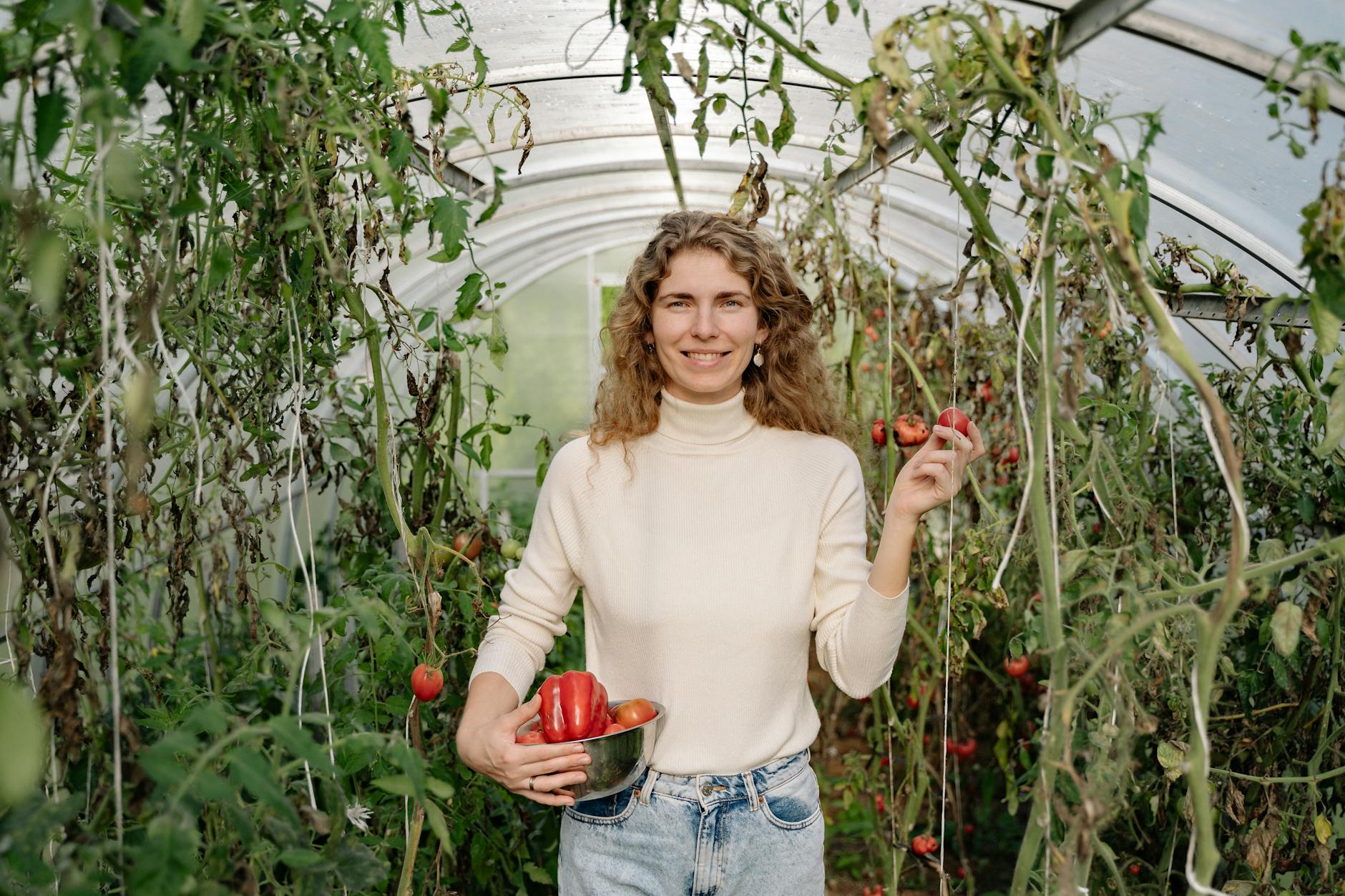
The Art of Continuous Harvest: Mastering Succession Planting Vegetables
Gardening is a rewarding pursuit, offering the satisfaction of nurturing something from seed to harvest. For vegetable gardeners, the goal is often to enjoy a continuous supply of fresh, flavorful produce throughout the growing season. While planting everything at once seems straightforward, the secret to maximizing your vegetable patch yield year after year lies in a clever strategy: succession planting vegetables. This technique transforms a single planting window into an ongoing harvest stream, ensuring your garden remains productive from early spring right through to the first frost.
Why Succession Planting is Essential for Vegetable Gardeners
Many new gardeners plant their entire garden based on what they hope will grow in a specific season. However, nature and gardening cycles often present opportunities that are missed if planting is done monolithically. Succession planting addresses this by staggering your plantings. Instead of waiting for one massive harvest at the end of the season, you establish multiple, shorter planting cycles, allowing you to continuously reap rewards.
The primary benefits of implementing succession planting vegetables are manifold:
- Consistent Supply: You avoid the dreaded “feast or famine” scenario. As one batch of crops finishes its cycle, another is ready to take its place, meaning you have vegetables available almost continuously.
- Maximizing Space Efficiency: By dividing your planting into smaller segments over time, you utilize your garden space more effectively than waiting for a single massive bloom, allowing for richer diversity in your harvest.
- Preventing Over-Planting Stress: Planting too much at once can lead to plants becoming overcrowded, competing intensely for water and nutrients, and resulting in smaller, lower-quality yields. Succession planting allows plants adequate space to thrive.
- Extended Harvest Window: It effectively extends the usable growing season, ensuring that the bounty of your garden is enjoyed over a longer period rather than being concentrated into a single harvest event.
Understanding the Principles of Succession Planting Vegetables
Succession planting isn’t just about randomly scattering seeds; it requires strategic planning based on plant maturity and their specific growth requirements. The key is understanding the timing for different types of vegetables.
Timing Your Plantings Strategically
The success of succession planting hinges on knowing when to plant, not just what to plant. Different vegetables have vastly different maturation times—some are quick growers (like radishes), others require a long lead time (like certain melons or broccoli).
Short-Cycle Crops: These vegetables are perfect for succession planting because they mature relatively quickly. Examples include lettuce, spinach, radishes, and some varieties of beans. You can plant a small row every two to three weeks to ensure a steady supply of greens throughout the spring and early summer.
Medium-Cycle Crops: These require a moderate amount of time but can still be staggered effectively. Think about bush beans or peas, which benefit from sequential planting to maximize the harvest before the heat of summer sets in.
Long-Cycle Crops: For vegetables that take a long time to mature—such as tomatoes, peppers, squash, and corn—succession planting is used to manage the start of the season rather than the entire cycle. You might plant a few tomatoes early for an early harvest, and then stagger the next batch to ensure you have produce available later in the summer.
Planning Your Planting Schedule
To implement this effectively, create a calendar. Divide your desired vegetable area into smaller plots or sections. Instead of filling one section with a single crop, plan for rotation:
- Early Spring (Cool-Season Crops): Start with quick cool-season crops like peas, radishes, and early lettuce mixes. These thrive in cooler temperatures and provide an immediate harvest.
- Late Spring/Early Summer (Warm-Season Transition): As the weather warms, introduce slightly longer-maturing crops that can handle the transition. Plant bush beans or early varieties of squash here.
- Mid-Summer (Staggered Warm Crops): Introduce your main summer crops, like peppers and certain varieties of beans. By planting these in staggered waves, you ensure a continuous stream of food rather than a single overwhelming harvest at mid-summer.
- Late Summer/Early Fall (Harvest & Fall Crops): Use the remaining space for crops that benefit from the late season, such as kale, carrots, or certain varieties of beans and squash that mature later.
Integrating Succession Planting with Soil Health Practices
While succession planting focuses on when you plant, successful gardening demands excellent soil health to ensure those staggered plantings thrive. A rich, living soil is the foundation upon which abundant harvests are built.
The Role of Compost and Soil Structure
Healthy soil retains moisture effectively and provides a steady, slow release of nutrients. When you practice composting & soil health: a beginner’s guide principles, you are creating an environment where plants can thrive regardless of when you plant them. Well-composted soil supports deeper root systems, which are better equipped to handle the stresses of staggered growth.
Poorly nourished soil can cause rapid depletion when plants are densely packed, making succession planting even more critical. By focusing on building organic matter, you ensure that every batch of seeds has the necessary resources to grow robustly, maximizing your yield from each successive planting.
Watering and Nutrient Management for Staggered Plots
When managing multiple staggered plots, be mindful of water and nutrient delivery. Since different crops will be in different growth stages simultaneously, their water needs will vary. Monitor the moisture levels closely. Ensure that the soil preparation (amendments, compost incorporation) is consistent across all sections to maintain uniform quality. This consistency prevents some areas from becoming overly saturated while others experience drought stress.
Advanced Techniques for Maximizing Yields
For experienced gardeners looking to push the boundaries of their yield potential, a few advanced techniques can elevate succession planting from a simple strategy to an art form.
Intercropping and Companion Planting
Intercropping involves growing two or more different crops in the same area simultaneously. This is a powerful way to increase overall yield density and manage space effectively within your succession planting framework. For example, you can intercrop fast-maturing greens (like lettuce) between slower-growing root crops (like carrots).
Companion planting—placing specific plants near each other for mutual benefit—further enhances this. Planting nitrogen-fixing plants (like beans or peas) alongside heavy feeders (like tomatoes) leverages natural ecological processes to support growth, reducing the need for excessive external fertilization and promoting a more resilient system.
Utilizing Vertical Space: Container Gardening
If space on your ground is limited, vertical gardening becomes an excellent tool for maximizing yield per square foot. Container gardening for small spaces: maximize yields on balconies principles are highly compatible with succession planting. You can manage different crop cycles in containers. For instance, you could use a container for fast-growing herbs and greens that are planted frequently, while another container holds slower-growing root vegetables that benefit from slightly longer, uninterrupted growth periods. This allows you to manage diverse harvests simultaneously, regardless of the seasonal timing.
Troubleshooting Common Succession Planting Issues
Even with meticulous planning, gardening involves variables. Here are a few common issues encountered when practicing succession planting and how to remedy them:
- Delayed Start: If your early plantings fail to establish, it might be due to unexpected late frosts or poor soil quality. Always monitor the microclimate and ensure your soil is rich before starting any new cycle.
- Overcrowding in Staggered Plots: If you find that despite staggering, plants are still struggling, reduce the density slightly in the next cycle. Remember, space is crucial for yield maximization.
- Nutrient Imbalance: If some crops look lush while others appear stunted, re-evaluate your soil health practices. Ensure that compost and balanced feeding are applied consistently across all succession plantings to avoid imbalances caused by rapid, staggered growth.
Conclusion: Cultivating Continuous Abundance
Mastering succession planting vegetables is about shifting your mindset from a single-season endeavor to an ongoing cycle of cultivation. By understanding plant cycles, planning strategically, and prioritizing the health of your soil, you unlock the potential for continuous abundance in your vegetable patch. Embrace the rhythm of the garden, watch how different crops interweave, and enjoy the reward of abundant harvests season after season!
Tags: succession planting, vegetable gardening, gardening tips, maximizing yield, vegetable patch, seasonal gardening, vegetable strategy
Featured Image by Yan Krukau on Pexels.