
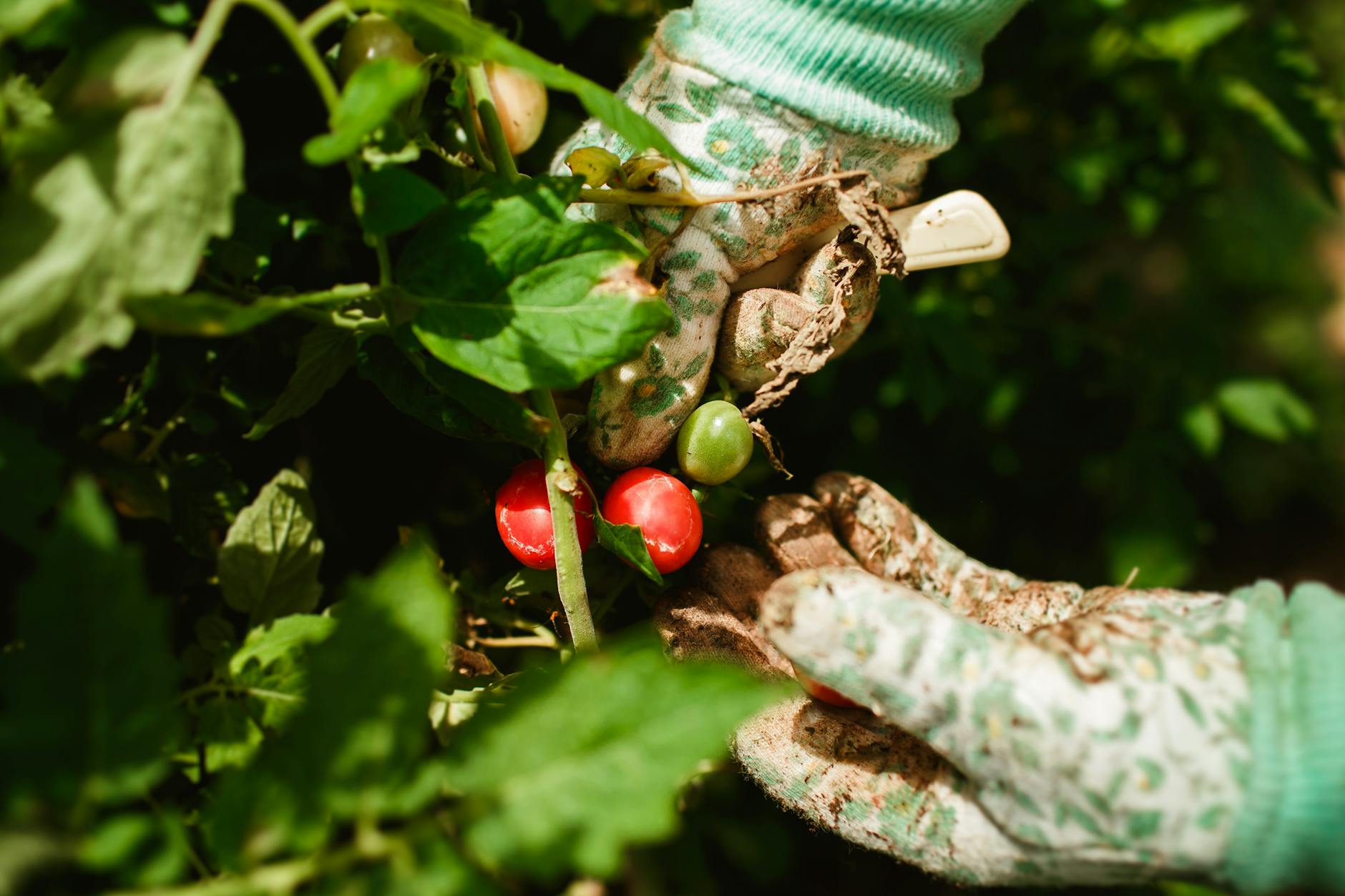
Unlock Year-Round Harvests with Succession Planting Vegetables
Are you dreaming of a bountiful vegetable garden? While the initial excitement of planting seeds sounds wonderful, the reality of seasonal cycles means that a single planting session often results in a feast followed by an empty patch. The secret to truly maximizing your garden’s potential lies in mastering succession planting vegetables. This simple yet powerful gardening technique allows you to continuously harvest fresh produce from your soil, transforming a seasonal effort into a year-round source of delicious food.
This guide will walk you through the principles of succession planting, provide practical strategies for different types of vegetables, and show you how to implement this method to achieve bumper crops every time. Get ready to stop waiting for the end of the season and start harvesting continuously!
What Exactly is Succession Planting?
Succession planting is an advanced gardening technique where you plant small batches of crops at different times throughout the growing season rather than planting everything at once. Instead of dedicating a single patch to one crop until it’s time to harvest, you stagger your plantings so that as one crop finishes its cycle, another one is ready to take its place in the same space.
The core idea behind succession planting vegetables is simple: continuous harvesting. By staggering your planting schedule, you ensure that there is always something ready to be picked, maximizing the use of your garden space and ensuring a steady supply of fresh produce from spring through fall. It turns a single growing season into an extended harvest period.
Why Succession Planting Vegetables is Essential for Gardeners
There are several compelling reasons why incorporating succession planting techniques into your gardening strategy will benefit your yields and your enjoyment of gardening:
1. Maximizing Yields Per Square Foot
The most immediate benefit of succession planting is the dramatic increase in overall yield. Instead of waiting for a single, massive harvest at the end of the season, you are constantly producing. This means that instead of having one large batch of tomatoes or beans, you have multiple smaller harvests spread out over weeks and months. This constant production maximizes the productivity of every square foot of your garden.
2. Avoiding Spoilage and Overcrowding
When you plant everything at once, you risk overwhelming the soil nutrients and water resources, which can lead to stunted growth or poor quality produce. Succession planting allows you to manage the density of plants more effectively. You can introduce new crops gradually, giving each one the optimal conditions to thrive without competing excessively for resources.
3. Maintaining Continuous Freshness
There is a unique satisfaction in eating food that was just harvested. With succession planting vegetables, you are always harvesting fresh, tender produce. This eliminates the need to store large quantities of produce for long periods, ensuring that what you eat is at its peak flavor and nutritional value.
4. Managing Pest and Disease Pressure
Monocultures (growing only one type of vegetable in a large area) can sometimes invite specific pest infestations. By rotating crops using succession planting, you naturally disrupt the life cycles of pests and diseases. Rotating different families of plants helps maintain a healthier overall garden ecosystem.
Planning Your Succession Planting Schedule
Successful succession planting hinges entirely on smart planning. You need to understand the timing for each vegetable type based on your local climate and the specific growing conditions in your garden space.
Understanding Crop Lifecycles
Different vegetables have vastly different maturity times. Some are quick growers, while others require a longer maturation period. You must plan your schedule around these natural cycles.
- Quick Turnaround Crops: These vegetables mature relatively quickly (e.g., radishes, lettuce, spinach). They are perfect for succession planting because you can plant a new batch every few weeks to ensure a continuous supply.
- Medium-Term Crops: These require a moderate growing period and benefit from staggered introductions (e.g., bush beans, peas).
- Long-Term Crops: These need more time to establish roots and mature (e.g., tomatoes, peppers, squash). These should be planted earlier in the season with an understanding of when they will yield their main harvest later on.
Creating a Staggered Calendar
To implement succession planting vegetables effectively, create a visual calendar for your garden space. Divide your growing area into manageable sections or use raised beds to designate specific areas for different crops.
Example Staggering Strategy:
- Early Spring (Cool-Season Crops): Start with quick-maturing greens like lettuce and spinach. Plant these every 2–3 weeks to ensure a continuous supply of salad greens throughout late spring and early summer.
- Late Spring/Early Summer (Warm-Season Starts): As the weather warms, introduce heat-loving crops like bush beans or early peppers. These can be planted after the cool-season crops have established themselves.
- Mid-Summer (Continuous Harvesting): Introduce quick-growing items like radishes or more lettuce varieties into any empty spaces to provide a steady stream of roots and leaves.
- Late Summer/Early Fall (Main Crops): Plant longer-maturing vegetables like tomatoes, eggplant, and zucchini. These need the most time; plant them strategically so they have ample space to grow to maturity without crowding the earlier plantings.
Specific Vegetable Applications for Succession Planting
Applying the general strategy to specific vegetable families makes the process much more concrete. Here is how you can use succession planting vegetables for common garden staples:
Leafy Greens (Lettuce, Spinach, Kale)
Leafy greens are ideal candidates for frequent succession planting because they have short growing cycles. Instead of planting a single row of lettuce in April, plant small amounts every two weeks. This ensures that you always have fresh, tender leaves available for salads and cooking throughout the late spring and early summer months.
Root Vegetables (Radishes, Carrots)
Root vegetables benefit greatly from being planted repeatedly. Radishes are perfect for this; a new batch can be sown every week or two to provide a continuous supply of crisp roots. For carrots, you can stagger plantings to ensure that you have a steady yield of different root varieties rather than waiting for one large harvest at the end of the season.
Legumes (Beans and Peas)
Bush beans and peas are excellent for succession planting. Planting small amounts consistently allows you to enjoy fresh beans or peas multiple times during the growing season, providing a continuous supply for soups, stews, and side dishes.
Fruiting Vegetables (Tomatoes, Peppers, Squash)
Fruiting vegetables require more patience. For tomatoes and squash, it is best to plant your main rows earlier in the season to give them the necessary time to establish strong root systems before the main growing period begins. Use succession planting for companion plants or smaller varieties within those larger plots to maximize space utilization. For example, you can interplant small pepper plants between larger squash vines.
Integrating Soil Health with Succession Planting
The success of any intensive gardening strategy, including succession planting vegetables, is deeply tied to the health of your soil. Healthy soil provides the nutrients and water necessary for rapid and abundant growth.
When planning your staggered plantings, remember that you are constantly adding new organic matter into the soil. This ties directly into the principles of building healthy soil. For instance, incorporating compost regularly ensures that as you plant new seeds, the soil is already rich in the microbial life and nutrients needed for vigorous growth. Understanding how to manage this relationship is key: explore resources like Composting & Soil Health: A Beginner’s Guide to understand the foundation you are building for every harvest. Furthermore, understanding the science behind soil health will inform how much you can safely plant in any given area, which supports your succession planning efforts by ensuring sustainable yields.
Troubleshooting Common Succession Planting Issues
Even with the best planning, gardening inevitably presents challenges. Here are a few common issues encountered when practicing succession planting vegetables and how to resolve them:
Problem: Plants Stunting or Becoming Leggy
This often happens when you plant too densely or if you try to force too many crops into a space at once.
Solution: Ensure you are following spacing guidelines for each vegetable. Allow adequate space between plants so they can access sunlight and air. Remember, the goal is continuous harvest, not overcrowding.
Problem: Uneven Harvest Times
If some crops mature much earlier or later than expected, your staggered schedule might become slightly misaligned.
Solution: Keep detailed notes on the actual dates of planting versus the expected dates. Use these observations to fine-tune your calendar for the following season. Observe how your specific microclimate affects maturation rates.
Problem: Nutrient Depletion
Planting too frequently without replenishing soil nutrients can lead to eventual yield decline.
Solution: Integrate regular soil amendments. As you plan your succession plantings, make sure to incorporate compost or aged manure into the beds before planting new seeds. This ensures that the soil has the necessary reserves to support multiple harvests successfully. For a deeper dive into how feeding your garden supports these cycles, review information on Composting Science: Mastering Soil Health for Vegetable Growers.
Final Thoughts on Maximizing Your Garden Potential
Mastering succession planting vegetables is not just a trick; it is a philosophy of gardening that respects the natural rhythm of your growing season. By shifting from a single-shot approach to a continuous, staggered method, you unlock the true potential of your garden. You will experience more harvests, fresher food, healthier soil, and a deeper connection to the cyclical nature of the earth. Start small, plan thoughtfully, and watch your garden transform into a year-round source of abundance!
Tags: vegetable gardening, succession planting, garden yield, seasonal gardening, vegetable strategy, gardening tips, vegetable harvest
Featured Image by Helena Lopes on Pexels.