Bringing Life to Small Spaces: The Magic of Self-Watering Systems
Living in an urban environment often means sacrificing space, but it certainly doesn’t mean sacrificing the joy of gardening. For city dwellers with balconies, patios, or even just a sunny windowsill, turning those small spaces into productive green havens is incredibly rewarding. However, one of the biggest hurdles for new container gardeners is consistent watering—ensuring that your plants get enough moisture without overwatering them. This is where self-watering container garden systems step in as true game-changers. These DIY solutions offer a simple, low-maintenance way to manage water, making gardening accessible and successful, no matter how tiny your urban plot.
Why Self-Watering Systems are Essential for Urban Gardening
Urban gardening presents unique challenges compared to traditional yard gardening. Space is limited, exposure to sun and wind can be intense, and managing soil moisture becomes a constant concern. A self-watering container garden directly addresses these issues by creating an internal reservoir, allowing the soil to wick up exactly what the plant needs, precisely when it needs it.
Battling Overwatering and Underwatering
The most common mistake new container gardeners make is inconsistent watering. When you water manually, it’s easy to either forget or overdo it, leading to root rot (from overwatering) or wilting/drying out (from underwatering). A self-watering system eliminates this guesswork. The built-in water reservoir acts as a buffer, providing a steady supply of moisture directly to the roots. This consistency is vital for container plants, which often dry out much faster than in-ground gardens.
Saving Time and Effort
Urban life is busy. You don’t want to spend precious free time constantly monitoring soil moisture levels or manually watering pots throughout the day. A well-designed self-watering container garden system minimizes this daily chore. Once set up, these systems allow you to step back and enjoy the results of your gardening efforts, making it perfect for busy city living.
Ideal for Beginners and Small Spaces
For those just starting out, or for those with very limited space—think small balconies, window boxes, or narrow patios—a self-watering setup is incredibly forgiving. It provides a foolproof method for keeping plants alive, regardless of your gardening experience level. This makes transitioning into container gardening much less intimidating.
Exploring DIY Self-Watering Container Garden Options
The beauty of the self-watering container garden movement lies in its accessibility. You don’t need expensive, complicated commercial systems; many effective solutions can be built using simple, readily available materials. Here are some popular and achievable DIY methods for urban gardeners.
Wicking Bed Systems: The Simple Solution
Wicking beds utilize the principle of capillary action—how water moves through porous materials—to draw moisture from a reservoir into the growing medium. This method is elegant, low-tech, and highly effective for small containers.
How it Works: A water reservoir (a container or pot) sits below the growing medium. A wick (a piece of absorbent fabric or rope) is placed in the reservoir and another section is placed in the soil. The soil acts as a sponge, drawing water up through the wick into the root zone.
- Materials Needed: Two containers (one for water, one for soil), an absorbent material (like felt or thick cotton), and some appropriate potting mix.
- Pros: Extremely simple to build, uses minimal materials, excellent moisture control.
- Cons: Requires careful placement to ensure the wick stays submerged but not waterlogged.
Submersible Water Reservoirs: The Simple Setup
This method involves placing a separate container filled with water directly beneath the growing pot. This is the most straightforward approach for beginners looking to establish a self-watering container garden.
How it Works: You place your container (with soil and plants) inside a slightly larger, watertight container. The base of the plant pot sits in the water reservoir below. As the soil dries out, the roots draw moisture up from the water source.
- Materials Needed: A larger, non-porous container for the water, an inner pot (with drainage holes), and suitable soil.
- Considerations: Ensure the outer container is sturdy enough to hold the weight of the water and the soil. The depth of the water reservoir dictates how much water is available.
Self-Watering Bottles/Containers: Repurposing Household Items
For extremely small spaces or temporary setups, repurposing common household items can create functional self-watering container garden solutions.
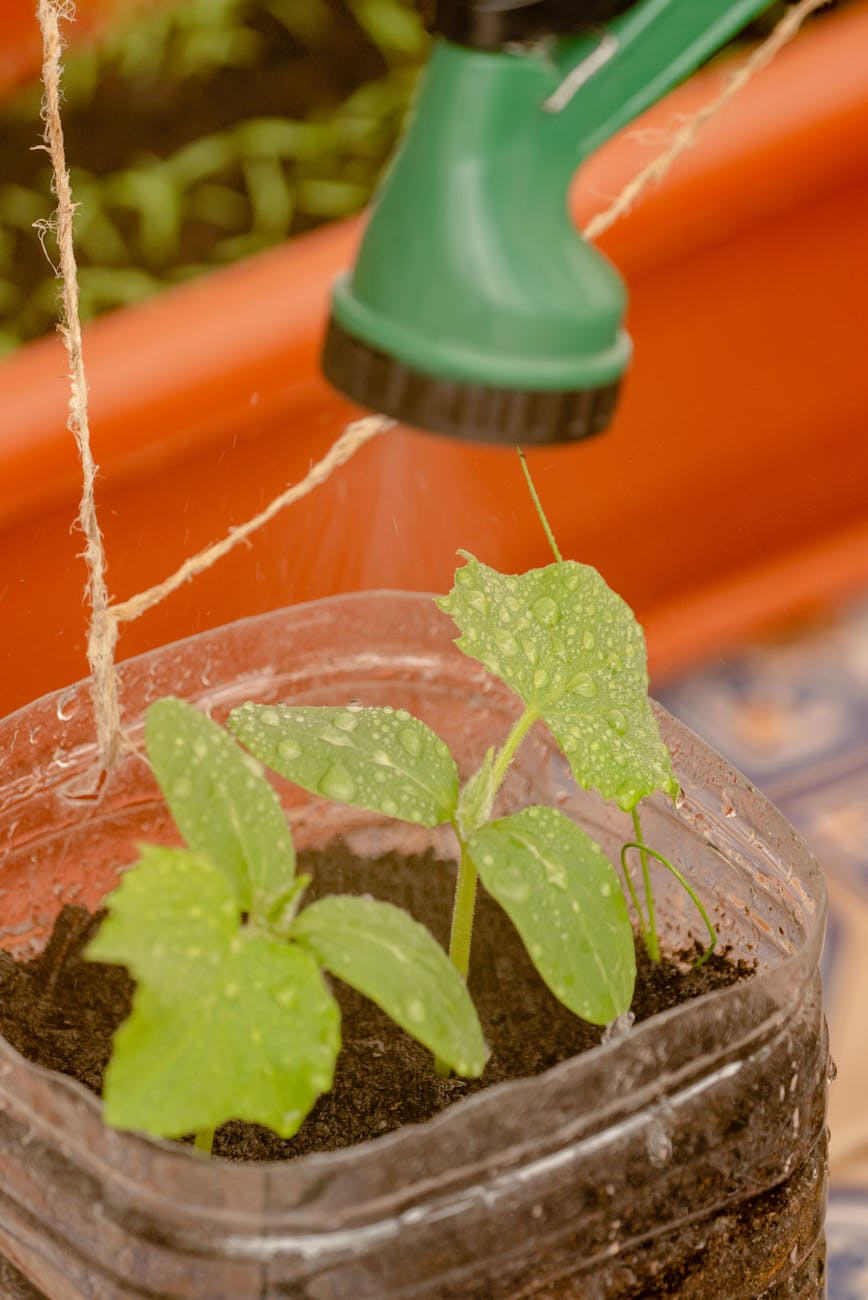
- Plastic Bottle Systems: Cut the bottom off a 2-liter plastic bottle and invert it. Place a small piece of gravel at the bottom (to prevent clogging) and fill the bottle with water. Place the bottle into your plant pot, ensuring the neck is submerged in the water.
- DIY Clay Pot Systems: For terracotta pots, you can create a simple internal reservoir by placing a small layer of coarse gravel at the bottom of the pot before adding soil, allowing the water to collect there.
Choosing the Right Materials for Your System
The success of any self-watering container garden hinges on selecting appropriate materials that allow for proper moisture management and aeration.
Selecting the Right Pot and Drainage
Regardless of the watering method you choose, your primary container must have excellent drainage. If water cannot escape, the soil will become saturated, leading to root rot—the nemesis of any container gardener. Always ensure there are adequate holes at the bottom of your pots. When starting out with Container Gardening 101: Pots, Soil & Drainage for City Balconies, understanding proper drainage is the first step toward a healthy garden.
Optimizing Your Growing Medium (Soil)
The soil you use directly impacts how efficiently your self-watering system works. Use a high-quality potting mix specifically designed for containers. This mix should be light, airy, and rich in organic matter to allow for good aeration while retaining some moisture. Avoid heavy garden soil, which compacts easily and hinders water absorption.
The Importance of Substrate Layers (For Wicking Systems)
If you opt for a wick-based system, the materials between the reservoir and the soil need careful consideration. Use absorbent, yet porous, materials like thick felt or coconut coir to ensure maximum capillary action. Avoid using materials that are too dense or impermeable.
Maintenance Tips for Thriving Self-Watered Gardens
Setting up the self-watering container garden is only the first step; maintaining it requires a slightly different approach than traditional watering. While the system handles the bulk of the moisture, periodic checks are still necessary.
Monitoring the Reservoir Level
Even in a self-watering setup, you need to monitor the water level in your reservoir periodically. If you notice the water level dropping significantly between planned watering cycles, it’s time to replenish the water. This is especially important during hot summer months when evaporation rates increase.
Checking Soil Moisture Indirectly
Since the system provides consistent moisture, you can gauge the overall health of your plants by observing the soil surface and the plant itself. If leaves start to droop slightly, or if the soil feels consistently damp even after a scheduled watering, it signals that the system is working effectively.
Feeding Your Urban Plants
Because these systems rely on a steady water supply, you must ensure that your plants receive adequate nutrients. Container gardens often deplete nutrients faster than in-ground gardens. Plan to supplement your plants with a balanced, slow-release organic fertilizer every few weeks to keep your urban garden thriving and producing abundant harvests. Consider techniques like Succession Planting: Maximize Your Vegetable Patch Yield Year After Year when planning what to feed next!
Scaling Up Your Urban Greenery
As you gain confidence with self-watering container garden systems, you can expand your gardening ambitions in the city. Start small, master the basics of moisture management, and then feel free to experiment with larger setups or more complex designs. The principles of efficient water use and careful soil management learned with these DIY methods will serve you well as you explore different areas of urban horticulture. Embrace the simplicity of self-watering technology and watch your tiny urban spaces flourish!
Tags: urban gardening, self-watering, container gardening, DIY gardening, small space gardening, water conservation, container garden
Featured Image by Atlantic Ambience on Pexels.