
Mastering Aphids and Whiteflies: Organic Strategies for Urban Gardeners
Starting an urban garden, whether it’s a balcony container or a small backyard patch, brings immense satisfaction. Watching your plants thrive is rewarding, but sometimes, unwelcome visitors arrive. Among the most frustrating pests for small-scale growers are aphids and whiteflies—tiny, persistent insects that can quickly decimate tender leaves and stunt growth if left unchecked. For those committed to organic practices in their urban setting, finding effective, low-impact aphid whitefly control urban gardening methods is essential. This guide will walk you through understanding these pests and implementing natural, sustainable strategies to keep your small garden healthy and thriving.
Understanding the Menace: Aphids and Whiteflies in Your Urban Space
Before we dive into treatment, it’s crucial to understand what we are dealing with. Aphids and whiteflies are common sap-sucking insects that thrive in the sheltered, often humid conditions found in urban gardens, greenhouses, and container setups.
What Are Aphids? The Tiny Sap-Suckers
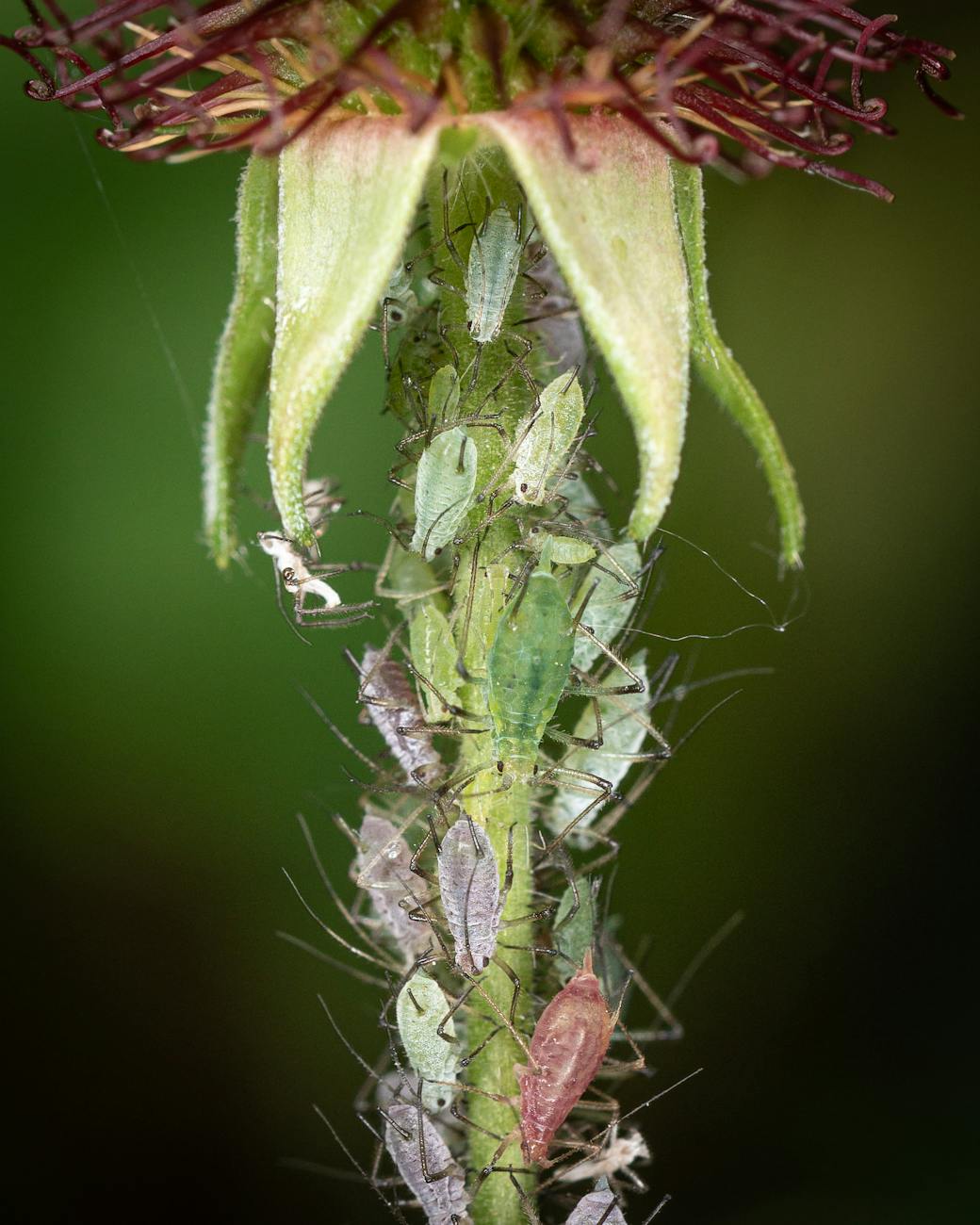
Aphids are small, pear-shaped insects, often found clustered on new growth, stems, and leaf undersides. They feed by piercing plant tissue and sucking out the nutrient-rich sap. A key indicator of an aphid infestation is the presence of sticky, sugary residue (honeydew) left behind on the leaves, and the visible deformation or curling of the affected plant tissue. In a small urban garden, aphids can spread rapidly from one container to another if not managed promptly.
Identifying Whiteflies: The Subtle Threat
Whiteflies are even more insidious because they are often very small (less than 1 mm) and can be very difficult to spot, especially when they congregate in dense clusters on the underside of leaves or along stems. Like aphids, they feed by piercing plant cells, causing damage and weakening the plant’s ability to photosynthesize effectively. Recognizing the subtle signs—stippling on the leaves (tiny white dots) or a dusty film on the foliage—is key to early intervention in your aphid whitefly control urban gardening efforts.
Prevention is Key: Establishing a Pest-Resistant Urban Garden
The most effective pest management strategy is prevention. By creating an environment where pests struggle to establish themselves, you significantly reduce the need for harsh chemical interventions.
Choosing the Right Planting Practices
Healthy plants are naturally more resistant to pests. Focus on good horticultural practices to create a strong defense system:
- Proper Watering: Ensure your containers or garden beds are watered appropriately. Overwatering can stress plants, making them more vulnerable to infestation.
- Air Circulation: In dense urban setups, ensure there is adequate airflow between plants. Stagnant, humid air encourages pest breeding. Good spacing allows pests to be naturally dispersed and reduces the likelihood of widespread outbreaks.
- Healthy Soil: Feed your soil with organic compost regularly. Nutrient-rich, robust plants have stronger defenses against pests than nutrient-deficient ones.
Implementing Physical Barriers
Physical barriers are simple, low-cost methods perfect for small urban spaces:
- Row Covers and Netting: Using fine mesh netting over your crops can physically prevent flying insects from landing on vulnerable leaves, offering an immediate barrier against whiteflies and other airborne pests.
- Strategic Placement: Place highly susceptible plants near less desirable ones to act as a buffer zone, although this is more applicable in larger container setups.
Organic Solutions for Aphid & Whitefly Control: Natural Defenses
When prevention isn’t enough, turning to organic controls provides safe, effective solutions that align perfectly with the ethos of small urban gardening. We will explore several proven methods for aphid whitefly control urban gardening.
1. The Power of Water Blasting
For immediate, non-toxic relief, a strong stream of water can be highly effective against soft-bodied pests. A forceful spray from a hose or spray bottle can physically dislodge aphids and whiteflies from the plant surfaces. This method is excellent for clearing initial infestations on leaves and stems without any chemical residue. Be gentle when doing this so as not to damage the foliage.
2. Introducing Beneficial Insects: The Natural Army
One of the most sustainable long-term solutions involves inviting natural predators into your garden. Beneficial insects actively hunt and consume aphids and whiteflies, providing a living control system.
- Encouraging Predators: To attract beneficial insects like ladybugs, lacewings, and parasitic wasps, you need to provide them with a habitat and food source. This means planting a diversity of flowering herbs and flowers that attract these helpful bugs. As noted in the Pest ID Guide: Beneficial Insects vs. Garden Pests, understanding what to attract is just as important as knowing what you are fighting.
- Avoid Broad-Spectrum Pesticides: When introducing beneficials, it is crucial to avoid using broad-spectrum insecticides, as these will kill the beneficial insects along with the pests you are trying to control.
3. Homemade Insecticidal Sprays
For targeted treatment when infestations become serious, homemade sprays offer a safe alternative to synthetic chemicals. These solutions work by using natural substances to disrupt the pests’ life cycles or suffocate them gently.
- Neem Oil Spray: Neem oil is a favorite among organic gardeners. It acts as an antifeedant and growth regulator for many insects. Mix neem oil with water and a small amount of mild soap (as an emulsifier) and thoroughly spray the infested areas, ensuring good coverage on the undersides of the leaves where pests hide.
- Soap and Water Solution: A simple solution of mild dish soap and water can be effective against soft-bodied insects like aphids. The soap breaks down the surface tension, causing the insects to dehydrate and die. Test a small area first to ensure it does not harm your specific plants.
Advanced Techniques for Container and Vertical Gardens
Urban gardening often involves growing in confined spaces, such as balcony containers or vertical systems. These setups require slightly tailored management strategies.
Managing Aphids in Containers
Aphids thrive in the warm, stagnant conditions often found in densely packed pots. Regular inspection is vital here. If you notice heavy infestations, consider:
- Quarantine: Immediately separate heavily infested pots from healthy ones to prevent cross-contamination.
- Deterrents: Placing strong-smelling herbs like mint or rosemary near the containers can sometimes act as a mild deterrent to pests, though this is supplementary, not a primary control method.
Integrated Pest Management (IPM) for Vertical Systems
When utilizing vertical gardening techniques, such as hydroponics or vertical wall systems, managing pest pressure needs to be integrated with your growing method. For instance, if you are using Hydroponics for Apartments: Beginner’s Guide to Indoor Vertical Gardens, ensuring the nutrient solution is balanced and the environment is stable can reduce stress on the plants, thereby making them more resilient to minor pest attacks.
Long-Term Strategy: Cultivating Resilience
The goal of aphid whitefly control urban gardening should not be a one-time fix, but the establishment of a long-term, resilient garden ecosystem.
- Regular Scouting: Make it a habit to inspect your plants daily or every few days. Catching an infestation when it is small is vastly easier than managing a full-blown crisis.
- Promote Biodiversity: Continuously focus on attracting beneficial insects and maintaining a rich soil environment. A diverse ecosystem naturally regulates pest populations.
- Monitor Treatments: If you do use any intervention, always follow the instructions precisely and monitor your plants closely for any adverse reactions.
By adopting these organic, proactive, and holistic methods, urban gardeners can successfully manage aphids and whiteflies, ensuring their small gardens remain vibrant, healthy, and beautiful spaces for growing.
Tags: aphid control, whitefly management, organic gardening, urban gardening, pest control, container gardening, small garden
Featured Image by D H J on Pexels.