Selecting the Perfect Vessel: Essential Tips for Your Urban Garden Containers
Welcome to the wonderful world of small urban gardening! Whether you have a sunny balcony, a small patio, or even just a windowsill, bringing greenery into your urban space is incredibly rewarding. One of the first, and perhaps most crucial, steps in this journey is choosing containers for urban gardening beginners. Choosing the right pot or planter isn’t just about aesthetics; it directly impacts the health, growth, and survival of your plants. A poorly chosen container can lead to root rot, poor drainage, and stunted growth, making the initial experience frustrating.
This comprehensive guide will walk you through everything you need to know—from material selection to drainage techniques—to ensure you select the ideal home for your indoor or balcony garden.
Understanding the Fundamentals of Container Gardening
Before diving into specific materials, it’s important to understand why containers matter so much in an urban setting. In small spaces, every inch counts. Containers provide the necessary medium for roots to anchor and absorb water and nutrients. For beginners, focusing on three core principles will set you up for success: drainage, material, and size.
The Non-Negotiable Rule: Drainage is Everything
The single biggest mistake new gardeners make is neglecting proper drainage. Roots need access to oxygen; if the soil remains waterlogged, the roots suffocate and decay.
Ensuring Excellent Drainage
When choosing containers for urban gardening beginners, you must prioritize holes in the bottom of every container. Without these, excess water will sit at the bottom, creating a swampy environment.
- Drill or Create Drainage Holes: If you are using solid pots (like terracotta), you must drill several adequate drainage holes. If you are using fabric grow bags, ensure they have sufficient openings or use a system where the container sits inside a larger tray to catch overflow.
- The Importance of Saucers: While saucers (trays underneath) are helpful for catching excess water, never let your pots sit directly in standing water. Empty any collected water from the saucer within an hour of watering.
Material Matters: Choosing the Right Substance
The material you choose for your containers affects how quickly the soil dries, how much weight the pot can handle, and how the container interacts with the roots over time. There are several popular options for choosing containers for urban gardening beginners.
Terracotta and Clay Pots
Terracotta (baked clay) is a classic choice, valued for its aesthetic appeal and porous nature.
- Pros: It allows the soil to breathe, which helps prevent soil compaction and aids in aeration.
- Cons: Because it is porous, it dries out relatively quickly. In very hot, dry urban environments, this can mean you need to water more frequently. Additionally, terracotta can crack if exposed to extreme temperature fluctuations or if subjected to very harsh chemical treatments over a long period.
Plastic Containers (Nylon and Polypropylene)
Plastic pots are extremely popular in urban gardening due to their versatility and durability.
- Pros: They are lightweight, retain moisture better than porous materials, and are highly resistant to cracking or breaking. They are also excellent for beginners who might be worried about breakage.
- Cons: Some plastics can trap excess moisture if drainage holes are not perfectly implemented. Furthermore, some lower-quality plastics may leach chemicals into the soil over time, so always opt for food-grade, high-quality outdoor-safe plastic.
Wooden and Repurposed Materials
For a more rustic or sustainable urban aesthetic, consider using wood or repurposed materials.
- Pros: Wood provides excellent natural drainage and a warm, organic look. Repurposing items reduces waste.
- Cons: Untreated wood can warp or rot over time, requiring periodic sealing with non-toxic finishes. Ensure any wood used is naturally resistant to decay.
Fabric Grow Bags
Grow bags offer a flexible, breathable alternative that many urban gardeners adore.
- Pros: They are incredibly lightweight, excellent for root aeration, and allow for superior air circulation around the roots. They are perfect for container gardening pots for small urban spaces.
- Cons: They may not hold water as effectively as rigid plastic or terracotta if over-saturated, requiring careful monitoring of soil moisture levels.
Sizing Up Your Space: Determining the Right Container Size
The size of your container dictates how much water and nutrients your plants can access, directly influencing their growth potential. When choosing containers for urban gardening beginners, understanding root space is paramount.
Matching Pot Size to Plant Needs
Small herbs might thrive in a 6-inch pot, while larger vegetables or flowering plants will require significantly more room.
- Root Development: Roots need space to spread out horizontally to seek water and nutrients. Cramming roots into a tiny space leads to stunted growth and nutrient deficiency.
- Water Retention: Larger containers generally hold more soil and moisture, which can be beneficial for plants that require consistent hydration, but this also means you must ensure the drainage system is robust.
Vertical Gardening Strategies
In dense urban environments, maximizing vertical space is often more effective than sprawling horizontally.
- Stacking Systems: Utilize tiered shelving or stackable planters to maximize your growing area on a small balcony.
- Hanging Solutions: Use macrame hangers or trellis systems to grow vines and climbers vertically, freeing up valuable floor space for larger pots or walkways.
Soil Selection: The Foundation of Container Success
A beautiful container filled with poor soil will still result in unhappy plants. The potting mix you use is arguably as important as the pot itself when choosing containers for urban gardening beginners.
Why Standard Garden Soil Won’t Work
Do not use heavy garden soil directly in pots. It compacts easily, suffocates roots, and drains poorly when confined to a container.
The Magic of Potting Mixes
Potting mixes are specifically formulated to be light, fluffy, and well-aerated, allowing for optimal root respiration and water movement.
- Lightweight and Aerated: Good potting mixes contain ingredients like perlite or vermiculite to create air pockets, ensuring roots get the oxygen they need.
- Nutrient Rich: Quality potting mixes come pre-mixed with balanced nutrients suitable for container plants, reducing the initial guesswork for beginners.
Advanced Considerations for Urban Growers
Once you have mastered the basics of material, drainage, and soil, a few advanced tips will elevate your small urban garden experience.
Dealing with Temperature Fluctuations
Urban environments can experience rapid temperature swings—hot sun on a balcony one day, cool breezes the next.
- Insulation: In colder months, consider insulating pots (e.g., wrapping them in burlap or using wider-rimmed containers) to buffer temperature extremes.
- Microclimates: Observe where your chosen spots receive morning sun versus harsh afternoon sun; this information will guide you on where to place your most sensitive plants.
Managing Pests Organically
Even in a small urban space, pests like aphids or whiteflies can appear. When choosing containers for urban gardening beginners, opting for organic practices is always recommended. For example, understanding how to manage common pests can be crucial: Aphid & Whitefly Control in Urban Gardens: Organic Solutions.
Summary Checklist for Choosing Containers
To bring everything together, use this checklist before you make your final selection for choosing containers for urban gardening beginners:
- Drainage Check: Does the container have ample drainage holes at the bottom?
- Material Assessment: Is the material appropriate for your environment and desired longevity (e.g., plastic vs. terracotta)?
- Size Consideration: Is the pot large enough to allow adequate root space for the intended plant?
- Soil Plan: Have you selected a high-quality, light potting mix, not heavy garden soil?
- Weight Check: Can the container safely hold the weight of wet soil and plants?
By following these steps, you move beyond simply picking up a pot; you are setting the stage for a thriving, beautiful, and productive small urban garden right at your doorstep. Remember to explore great options available for Container Gardening Pots for Small Urban Spaces to find exactly what suits your unique environment!
Tags: urban gardening, container selection, small space gardening, potting advice, gardening beginners, container drainage, container materials
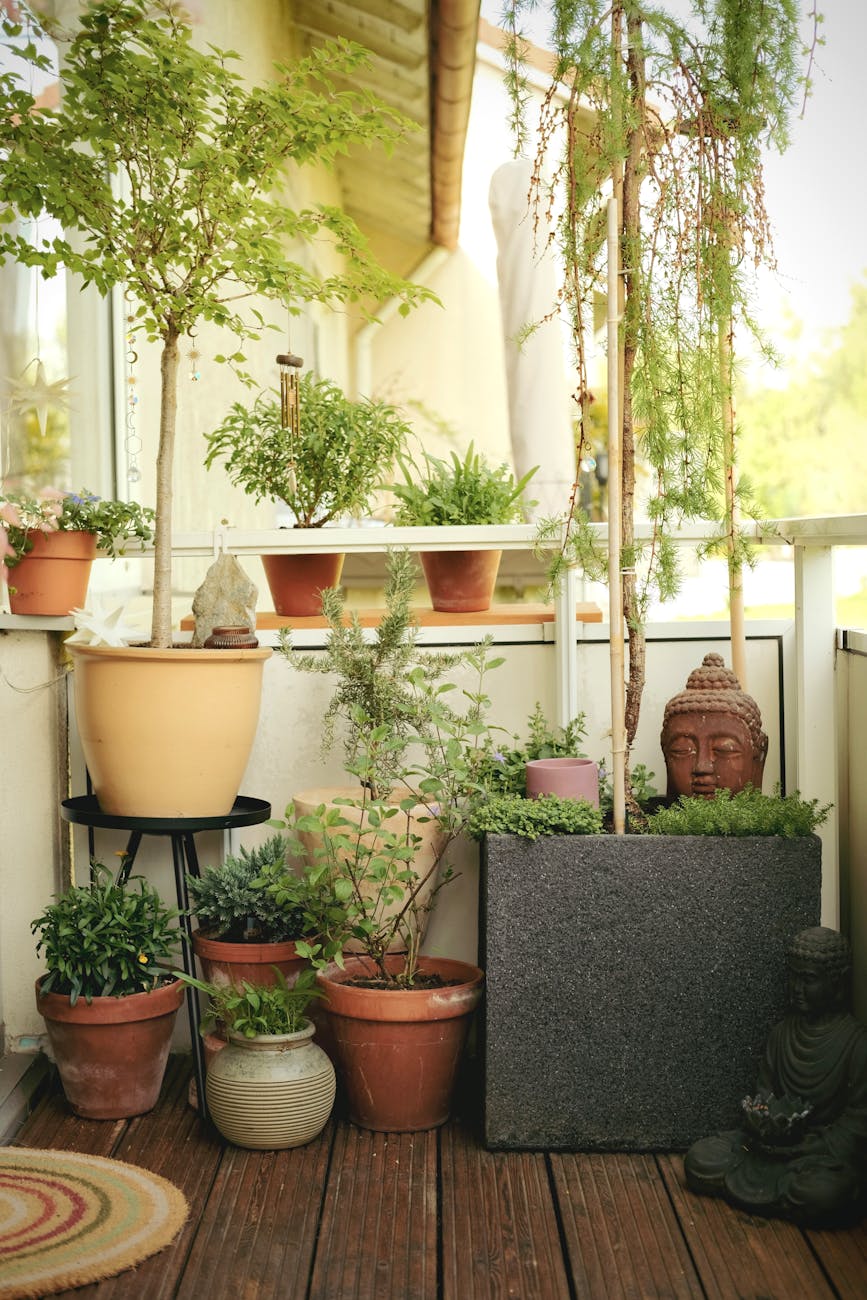
Featured Image by Laura Cleffmann on Pexels.