Container Gardening 101: Pots, Soil, and Drainage for Urban Growers
Welcome to the rewarding world of container gardening urban! If you live in a city, an apartment balcony, or even a small patio, you have the potential to transform that limited space into a vibrant, productive green oasis. Container gardening is more than just a hobby; it’s a brilliant way to connect with nature, enjoy fresh produce, and beautify your immediate surroundings, no matter how small your space may be.
Mastering this art requires understanding the fundamentals: selecting the right containers, choosing the perfect soil, and ensuring excellent drainage. This comprehensive guide will walk you through everything you need to know to ensure your city garden thrives from seed to harvest.
Choosing the Right Containers for Your Urban Space
The container you choose is the first, and arguably most important, decision in your container gardening urban journey. The right pot will provide the necessary environment for your plants’ roots to breathe, absorb water, and grow strong.
Material Matters: Plastic, Terracotta, and Ceramic
Different materials affect how soil moisture is regulated and how well roots can develop.
- Terracotta (Clay): These pots are porous, meaning they allow water to evaporate through the sides of the pot. While this can help prevent root rot in extremely soggy conditions, it dries out the soil faster, meaning you may need to water more frequently in hot urban environments.
- Plastic: Plastic is lightweight and retains moisture well, which can be beneficial for plants that like consistently moist soil. However, if drainage isn’t managed perfectly, this can lead to stagnant water and root rot if drainage holes are inadequate.
- Ceramic/Glazed Pottery: Ceramic pots offer a good balance—they are durable and allow some breathability while still holding moisture effectively. Look for pots with good quality glazes if you choose ceramic.
Size and Shape Considerations
Don’t just focus on aesthetics; focus on root space! Roots need room to spread out, and overcrowding leads to stunted growth and poor yields.
- Depth is Crucial: For most vegetables and herbs, a container depth of at least 8 to 10 inches is recommended. Deeper containers allow roots to grow downwards and access more water reserves.
- Width and Shape: Wide, shallow containers are better suited for herbs or shallow-rooted greens. Deeper, narrower pots work well for root vegetables or larger plants. Consider the shape; round pots offer the most surface area for root expansion compared to very tall, narrow ones.
The Foundation: Selecting the Perfect Potting Medium (Soil)
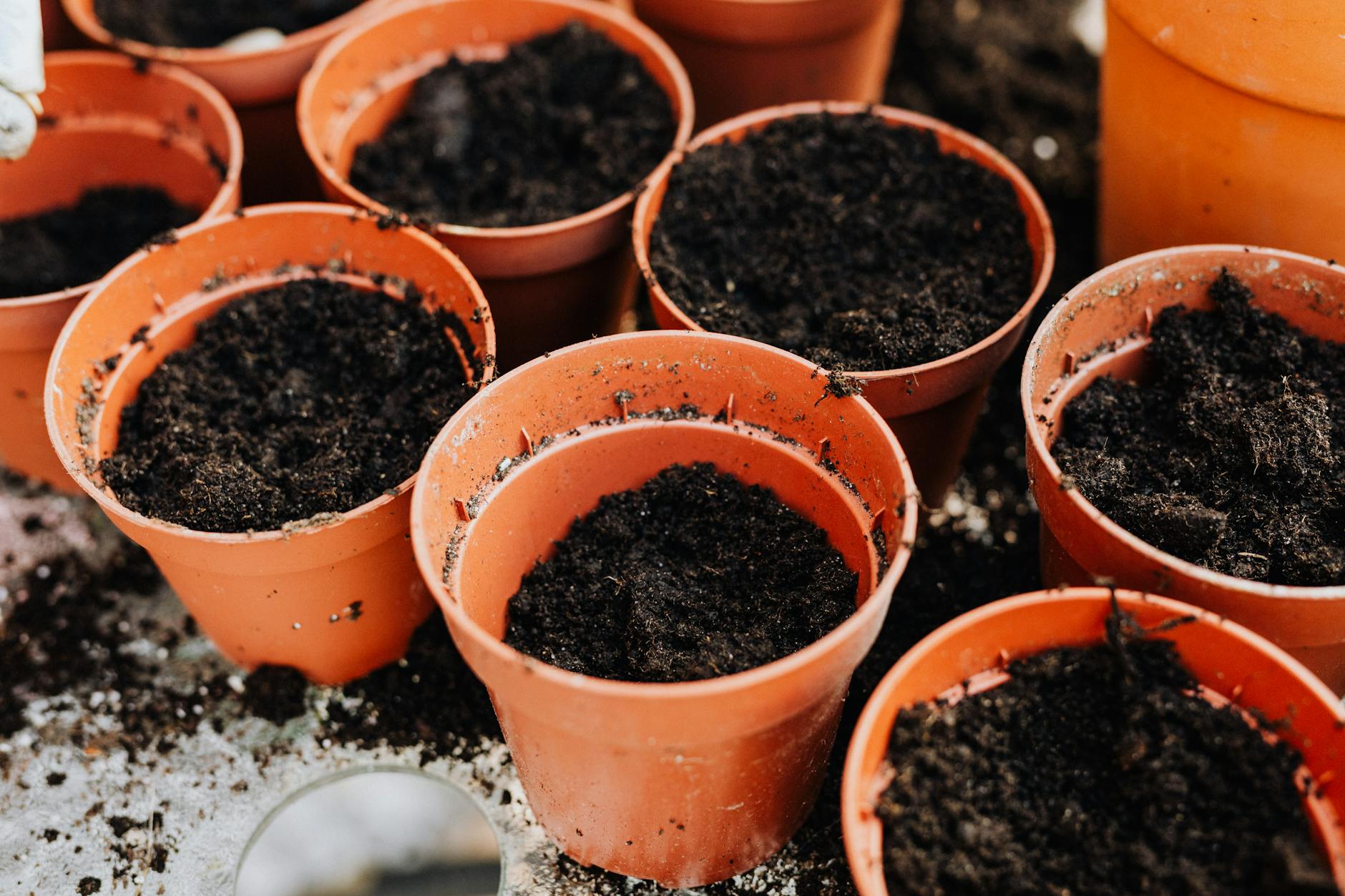
You cannot just use garden dirt from your yard in a container. Container gardening requires a specialized potting mix designed for drainage and aeration.
Understanding Potting Mix Components
A good potting mix must balance water retention with air circulation to prevent root suffocation and disease. A simple mix of garden soil often compacts too easily in pots, suffocating the roots.
- Compost/Organic Matter: This provides slow-release nutrients for your plants.
- Aeration Material (Perlite or Vermiculite): These lightweight materials create air pockets within the soil, which is essential for healthy root respiration. Perlite is excellent for drainage and aeration.
- Structure (Coco Coir or Peat Moss): These organic components help retain a moderate amount of moisture without becoming waterlogged.
DIY Urban Potting Mix Recipe
For your container gardening urban setup, consider mixing the following to create an ideal medium:
- 3 parts High-Quality Potting Soil (or good quality garden compost)
- 1 part Perlite or Vermiculite (for aeration and drainage)
- 1 part Organic Matter (e.g., compost or coco coir)
This balanced approach ensures your plants receive the necessary nutrients while maintaining the perfect soil structure for healthy root development.
Mastering Drainage: The Key to Preventing Root Rot
The single biggest mistake new urban gardeners make is neglecting drainage. If water cannot escape the container, it will sit at the bottom, leading to anaerobic conditions where roots suffocate and rot—a common killer of container plants.
Essential Drainage Features
Every container you use must have adequate drainage holes.
- Drill or Punch Holes: If you are using a decorative pot without pre-drilled holes, you must drill at least three large holes in the bottom before adding soil.
- Saucers and Trays: Always place your pots inside a saucer or tray to catch excess water. This prevents water from spilling onto your balcony floor, but never let the pot sit directly in standing water. If the water remains in the tray for more than an hour, empty it immediately.
Managing Excess Water in Urban Settings
Urban environments can experience intense, rapid watering, which tests your drainage system.
- Watering Technique: When you water, ensure the water flows freely out of the drainage holes. For container gardening urban setups, consider using self-watering pots or reservoirs if you are prone to forgetting to water, ensuring consistent moisture without over-saturation.
- Mulch Layer (Optional): A thin layer of organic mulch on top of the soil can help regulate soil temperature and reduce water evaporation, which is helpful in hot city environments.
Fertilizing Your Container Garden for Urban Growth
Once you have your pots and soil sorted, feeding your plants correctly ensures they produce the abundant harvests you are aiming for. Container plants rely heavily on regular feeding because nutrients leach out as the plant grows.
Understanding Nutrient Needs
Container plants use up nutrients quickly, so a consistent feeding schedule is necessary.
- Balanced Fertilizer: Start with a slow-release, balanced organic fertilizer to establish a strong foundation.
- Specific Needs: Plants in containers often require more frequent feeding than in the ground because watering washes nutrients away faster. Monitor your plants; leafy greens will need more nitrogen, while fruiting plants (like tomatoes or peppers) will need more phosphorus and potassium when they start flowering.
Feeding Strategies for Success
- Slow Release: Use granular, slow-release fertilizers mixed into the soil at the beginning of the season.
- Liquid Feedings: Supplement with a diluted liquid fertilizer every 2 to 4 weeks, depending on plant growth and watering frequency. Always follow the instructions on the label for dilution rates.
Maximizing Yields: Planning Your Urban Harvest
To make your container gardening urban efforts truly rewarding, think strategically about what you are growing and how you are managing your space over time.
Utilizing Space Vertically
When horizontal space is limited, look up! Vertical gardening is a game-changer for small urban spaces. Hanging planters, stacked crates, or vertical shelving allow you to grow herbs, strawberries, and greens without taking up precious floor space. For those looking to maximize their balcony real estate, exploring options like Vertical Gardening Wonders: Flower Displays on Tiny Balconies can inspire creative solutions.
The Power of Succession Planting
Don’t wait until the end of the season to plant! By practicing succession planting, you can ensure a continuous supply of fresh food throughout the growing season. Instead of planting all your lettuce seeds at once, plant a small batch every two weeks. This method keeps your garden continuously productive and maximizes your yield from a small space. Learn more about this technique in Succession Planting: Maximize Vegetable Yield All Season.
Troubleshooting Common Container Gardening Issues
Even with the best planning, problems can arise. Being proactive in troubleshooting will save your harvest!
Signs of Overwatering and Root Rot
- Droopy, Limp Leaves: This is the most obvious sign that the plant is struggling with water balance.
- Yellowing Leaves (Chlorosis): Can indicate nutrient deficiency or severe root stress.
- Mushy, Black Roots: A clear sign of anaerobic rot; act immediately by letting the soil dry out completely and repotting into fresh, well-draining soil.
Dealing with Pests
Urban gardens can attract various pests. Practice regular inspection—check the undersides of leaves weekly. For small infestations, use gentle methods first, such as a strong spray of water or insecticidal soap. Avoid harsh chemicals that can harm beneficial insects or your plants.
By understanding the relationship between the container, the soil, drainage, and feeding, you are well on your way to mastering container gardening urban. Embrace the process, observe your plants daily, and enjoy the fresh bounty growing right outside your door!
Tags: container gardening, urban gardening, potting mix, drainage, small space gardening, container pots, city gardening
Featured Image by www.kaboompics.com on Pexels.