<h2>Container Gardening Essentials</h2>
<p>Container gardening liberates urban gardeners from the constraints of limited ground space. With the right pots, growing medium, and drainage setup, you can cultivate vibrant flower displays, productive vegetable gardens, and aromatic herb collections on balconies, patios, and rooftops. This guide covers the three foundational elements that determine container gardening success.</p>
<h2>Pot Selection: Size, Material, and Design</h2>
<h3>Size Guidelines</h3>
<p>Pot size directly impacts plant health, watering frequency, and yields. Minimum recommendations: individual annual flowers 20cm diameter, herbs 15-20cm, tomatoes/peppers 35-40cm, shrubs 45cm+. Larger is always better—bigger containers hold more moisture, provide greater root space, and require less frequent watering.</p>
<h3>Material Considerations</h3>
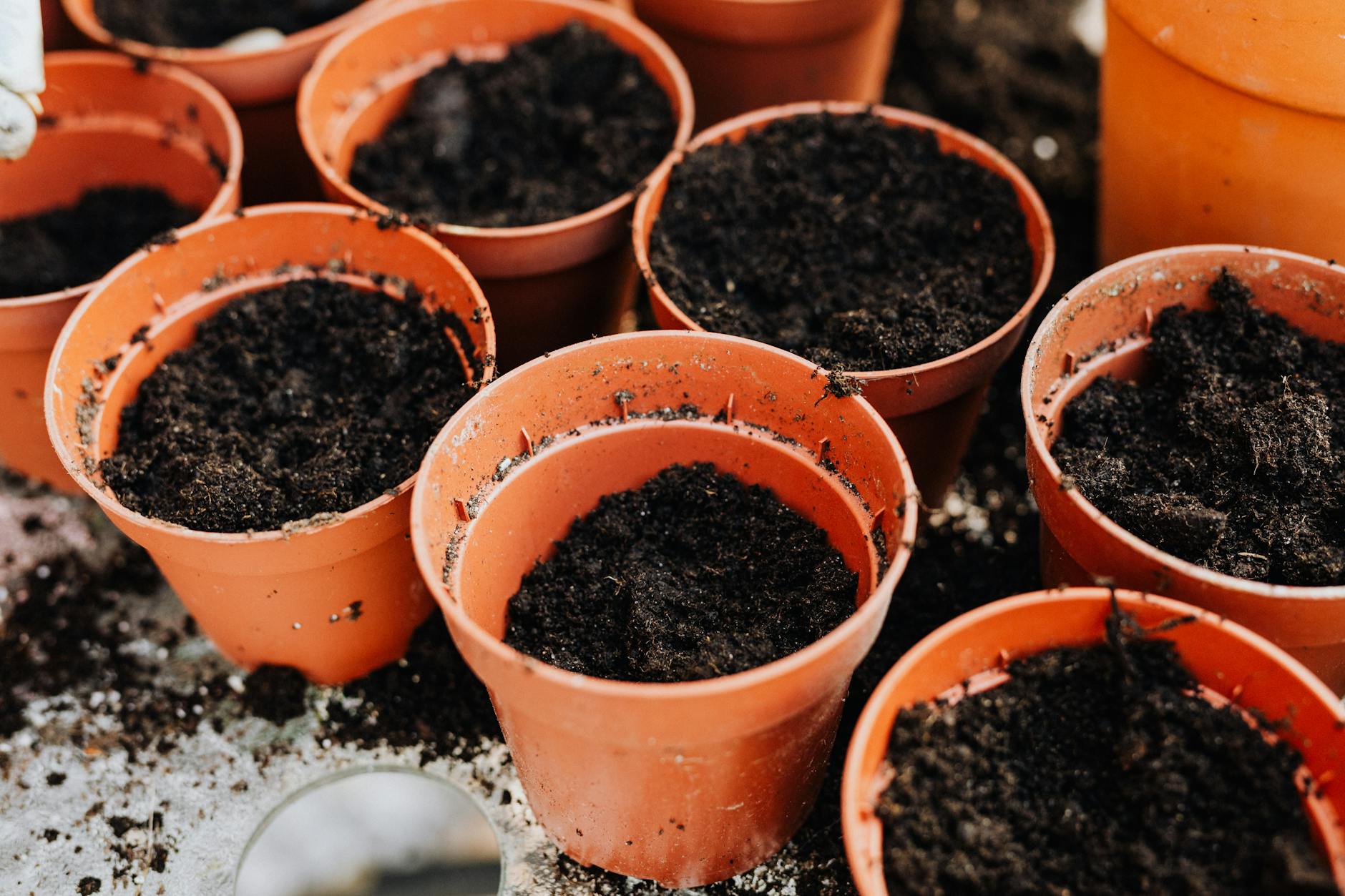
<p>Terracotta: Porous, breathable, heavy. Dries quickly. Plastic/Resin: Lightweight, water-retentive, durable. Fabric: Excellent drainage and root air-pruning. Choose based on your watering capability, balcony weight limits, and aesthetic preferences.</p>
<h3>Essential Design Feature: Drainage Holes</h3>
<p>Non-negotiable. Every pot must have drainage holes to prevent waterlogging. If you love a pot without holes, use it as decorative outer sleeve for a functional inner pot.</p>
<h2>Soil: The Living Foundation</h2>
<p>Never use garden soil in containers. It compacts, drains poorly, and may contain pests or diseases. Always use purpose-formulated potting compost.</p>
<h3>Quality Potting Mix Characteristics</h3>
<ul>
<li>Lightweight and fluffy structure</li>
<li>Peat-free or coir-based (sustainable)</li>
<li>Contains perlite or vermiculite for drainage</li>
<li>pH-balanced for general planting (6.0-7.0)</li>
<li>Enriched with slow-release fertilizer</li>
</ul>
<h3>Custom Mix Recipe</h3>
<p>For experienced gardeners: 60% quality compost, 20% perlite, 10% vermiculite, 10% worm castings or compost. This blend provides excellent drainage, water retention, and nutrition.</p>
<h2>Drainage: Preventing the Number One Killer</h2>
<p>More container plants die from overwatering than underwatering. Perfect drainage prevents root rot while maintaining adequate moisture.</p>
<h3>Drainage Setup</h3>
<ol>
<li>Ensure pots have multiple drainage holes (drill additional if needed)</li>
<li>Cover holes with fine mesh—NOT crocks or gravel (these impede drainage)</li>
<li>Elevate pots on feet or spacers to allow free water flow</li>
<li>Never let pots sit in saucers of water (empty after watering)</li>
</ol>
<h3>Testing Drainage</h3>
<p>Water thoroughly. Excess should flow freely from drainage holes within seconds. If water pools on surface or drains slowly, improve mix with additional perlite or grit.</p>
<h2>Container Care Basics</h2>
<p><strong>Watering:</strong> Check daily in summer. Water when top 3-4cm feels dry. Water deeply until it drains from bottom.<br>
<strong>Feeding:</strong> Container plants exhaust soil nutrients in 6-8 weeks. Feed regularly with liquid fertilizer from mid-spring onwards.<br>
<strong>Refreshing:</strong> Replace potting mix annually for optimal plant health.</p>