
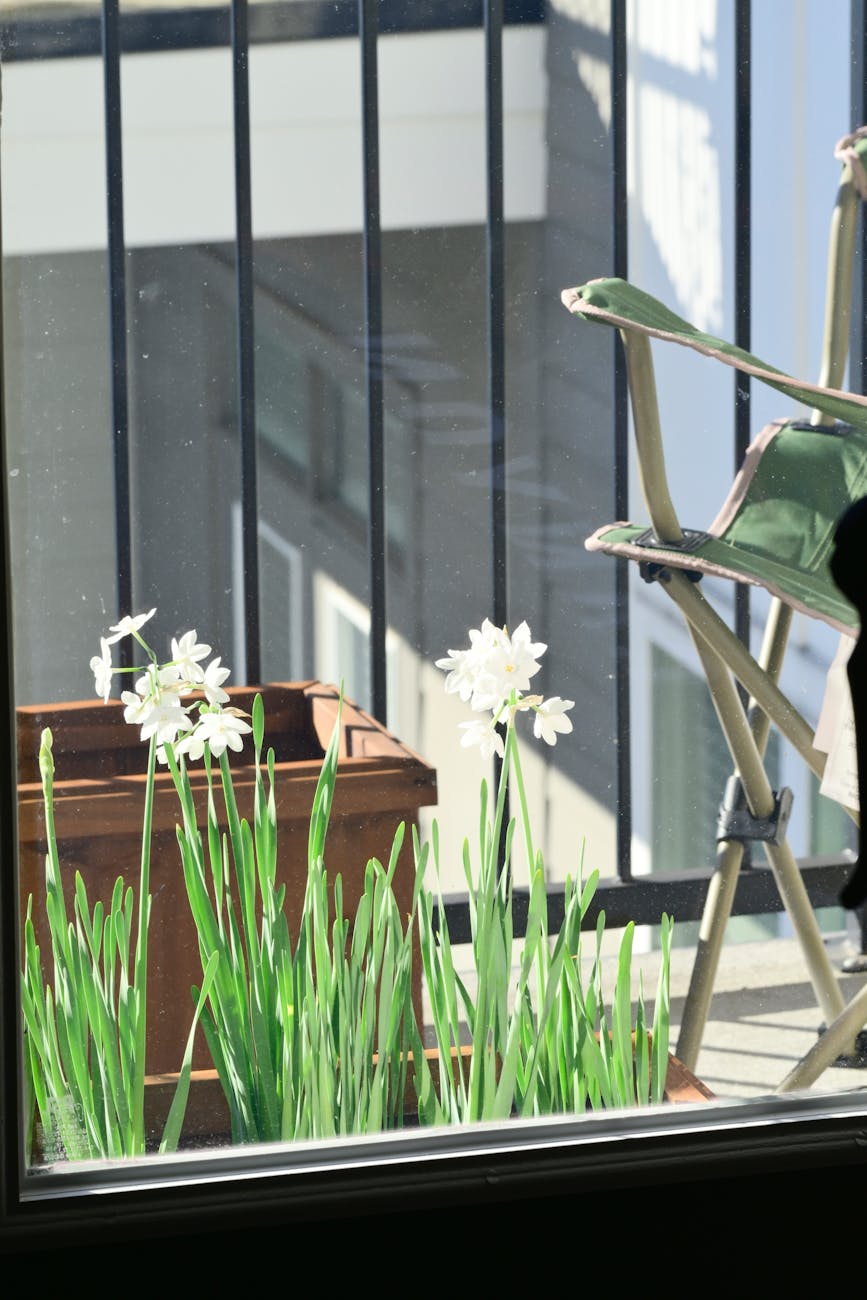
Mastering Your Balcony: Understanding Your Urban Microclimate
Welcome to the wonderful world of balcony gardening! Whether you have a tiny railing or a sprawling terrace, transforming that small outdoor space into a vibrant, productive garden is incredibly rewarding. However, success doesn’t just depend on what you plant; it heavily depends on understanding your specific environment—your urban microclimate. Just as a gardener knows the soil type and rainfall patterns of their land, balcony gardeners must become astute observers of the sun, wind, and surrounding structures to ensure their chosen plants thrive rather than wilt.
Choosing the right plants for your space is the single most important step in achieving a lush, beautiful garden. By focusing on your unique microclimate, you move from simply hoping for success to actively engineering a thriving ecosystem right outside your door. This guide will walk you through exactly how to assess your balcony and use that knowledge to make perfect balcony flower selection decisions.
Assessing Your Balcony’s Environmental Factors
Before you buy a single seed or plant, spend some time observing your balcony throughout the day. These environmental factors dictate what can survive and flourish in your specific setting. Ignoring them is the fastest way to encounter gardening frustration.
Sunlight Exposure: The Energy Source for Your Plants
Sunlight is arguably the most critical factor in determining plant health. Different plants have vastly different light requirements, and misjudging this leads to weak growth or legginess.
Full Sun vs. Partial Shade
- Full Sun (6+ hours of direct sunlight): This is ideal for sun-loving flowers like most roses, sunflowers, zinnias, and many herbs. If your balcony receives consistent, intense midday or afternoon sun exposure, these plants will thrive and produce abundant blooms.
- Partial Shade (4-6 hours of sun, ideally morning sun): Many popular flowering annuals and perennials tolerate this well, including impatiens, begonias, and certain shade-tolerant herbs. Morning sun is often preferred as it provides gentle warmth without the harsh heat of the afternoon.
- Shade (Less than 4 hours of direct sun): For very shady balconies, you must select plants specifically bred for lower light conditions, such as hostas, ferns, and some types of impatiens.
Analyzing Light Patterns
Pay attention to when the light hits your balcony. A balcony facing north will receive much less intense light than one facing south. Observe the shadows cast by neighboring buildings or railings throughout the day to get an accurate sense of the light intensity you will experience.
Wind Exposure and Air Circulation
Urban balconies are often more exposed to wind than gardens in sheltered areas. Wind affects plant health in several ways:
- Desiccation: Strong winds increase water evaporation from the soil, meaning plants may need more frequent watering, especially during hot spells.
- Physical Damage: High winds can physically damage tender stems and leaves.
- Temperature Fluctuation: Wind accelerates temperature changes, exposing plants to rapid shifts between heat and chill.
Consider placing taller or more delicate plants closer to the railing or in sheltered corners if wind is a significant issue.
Temperature Extremes: Dealing with Urban Heat Islands
City environments often experience the “urban heat island” effect, meaning balconies can get significantly hotter than the surrounding area, especially in the summer.
- Heat Stress: Plants sensitive to high temperatures will wilt quickly. Selecting heat-tolerant varieties is key when planning your balcony flower selection.
- Frost Risk: While less common on lower floors, unexpected cold snaps can occur. Knowing your local frost dates helps you plan for necessary protection if you are growing tender annuals.
Selecting the Right Plants for Your Microclimate
Once you have a clear understanding of your sunlight, wind patterns, and temperature fluctuations, you can begin making informed choices about what will bring beauty to your space. The right plant selection ensures that your effort results in a beautiful, resilient garden.
Choosing Flowers That Match the Conditions
When making your balcony flower selection, prioritize plants known for thriving in containers and specific light levels:
- For Full Sun Lovers: Try vibrant annuals like petunias, geraniums, marigolds, and colorful calibrachoa (petittias). These demand consistent, bright light to produce their best blooms.
- For Partial Shade Seekers: Look towards shade-tolerant options such as impatiens, begonias, coleus, and certain types of mint or herbs. These provide rich color even in less intense light.
- For Hardy Foliage: If you are aiming for greenery rather than just blooms, consider robust foliage plants like ferns (if shaded), hostas (for shade/partial shade), or various types of succulents that tolerate fluctuating conditions.
Container Matters: Drainage and Weight
The container itself interacts with the microclimate. Since balcony pots are subject to direct sun and wind, drainage is paramount. Ensure every pot has adequate drainage holes to prevent root rot, especially in water-heavy urban environments. Furthermore, consider the weight of the soil and the plant; heavier containers offer more stability against wind buffeting.
Advanced Tips for Thriving Urban Gardens
Beyond the initial selection based on sunlight and wind, a few advanced considerations will elevate your balcony garden from merely surviving to truly flourishing.
Watering Strategies in an Exposed Environment
Because exposed balconies dry out faster due to wind and sun, consistent watering is crucial. Establish a routine that accounts for these factors:
- Morning Watering: Water early in the day when temperatures are cooler, allowing the water to soak into the roots before intense midday evaporation occurs.
- Deep Watering: Water thoroughly until you see water draining from the bottom of the pot. Shallow, frequent watering encourages weak, surface-level root growth susceptible to drying out quickly.
Pest Management in Close Quarters
Urban gardens can sometimes attract pests, and managing them effectively is essential for organic gardening success. Since space is limited, integrated pest management (IPM) is your best friend:
- Observation: Regularly inspect the undersides of leaves for early signs of pests like aphids or whiteflies. Early detection makes control much easier.
- Natural Controls: Use insecticidal soap or neem oil for managing common soft-bodied pests. For larger infestations, consider introducing beneficial insects if appropriate for your specific location. For instance, understanding Aphid & Whitefly Control in Urban Gardens: Organic Solutions can provide practical steps for keeping your plants healthy without harsh chemicals.
Aesthetic Integration and Color Theory
The visual appeal of your balcony is just as important as the health of your plants. How you arrange your colors and textures will enhance the impact of your balcony flower selection.
- Color Grouping: Grouping flowers with similar color palettes creates a more cohesive and intentional look, even in a small space.
- Container Harmony: The choice of container color plays a huge role in the overall aesthetic. Using complementary or contrasting colors thoughtfully can create stunning visual depth. For inspiration on this, exploring principles like Container Color Theory for Stunning Small Urban Gardens can help you design an eye-catching display.
Summary: Your Blueprint for Balcony Success
Successfully gardening on a balcony is a blend of horticultural knowledge and environmental awareness. By taking the time to thoroughly assess your unique urban microclimate—understanding the intensity of sunlight, the strength of the wind, and the temperature swings—you gain the power to make informed decisions. Prioritize plant needs based on these factors when engaging in balcony flower selection. Remember that a well-chosen plant placed in an appropriate container will thrive, provided you combine it with consistent care, smart watering habits, and an eye for aesthetic design. Start observing today, and watch your balcony bloom!
Tags: urban gardening, balcony gardening, flower selection, container gardening, microclimate, small space gardening, balcony plants
Featured Image by Yuqi Chen on Pexels.