
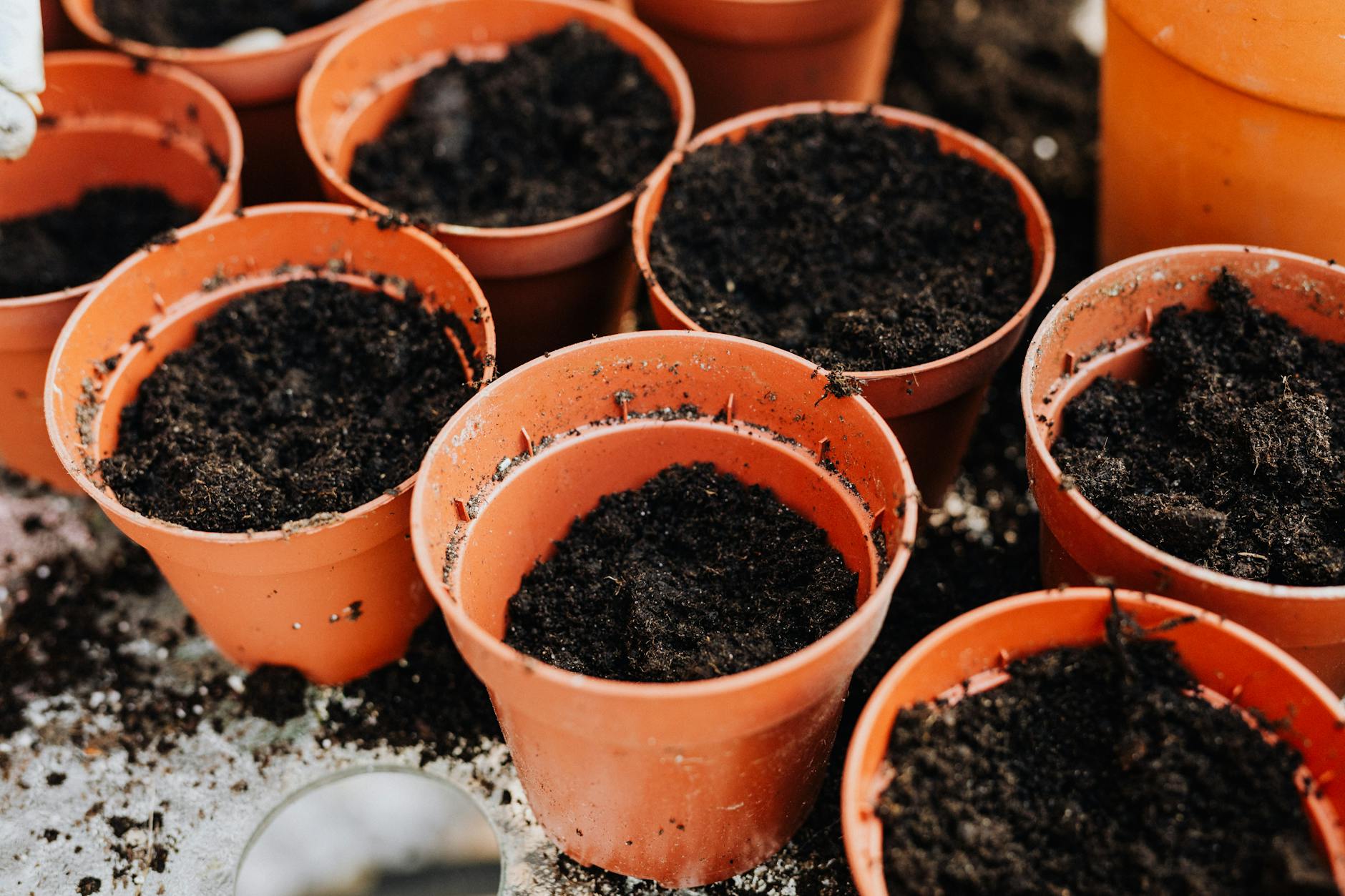
The Secret to Thriving Plants: Understanding Container Soil Amendments
Welcome to the rewarding world of urban gardening! Whether you have a sprawling backyard or just a few pots on a balcony, growing your own food and beautiful plants in containers is incredibly satisfying. However, container gardening presents unique challenges compared to garden beds. Since containers offer limited soil volume, they can quickly become depleted of nutrients and poor in structure if not properly managed. This is where container soil amendments move from being optional extras to becoming absolutely essential for maximizing your harvest and ensuring your plants thrive.
Don’t just fill your pots with whatever dirt you find. Understanding how to amend your potting mix allows you to create an ideal growing medium that retains moisture, provides slow-release nutrients, and offers the perfect environment for root health. Let’s dive into the essential soil amendments you need to know about for your urban container garden.
Why Standard Potting Mix Isn’t Enough for Container Gardening
When you buy a bag of pre-mixed potting soil, it’s designed to be a good starting point. However, once plants are actively growing and drawing up nutrients, the original mix can quickly become compacted or lack the specific balance needed for intensive container life. Plants in containers have shallower root systems and rely entirely on what you provide them.
The primary goal of amending your container soil is threefold:
- Improve Drainage: Prevent waterlogging, which suffocates roots and leads to root rot.
- Enhance Aeration: Ensure air pockets exist for healthy root respiration.
- Provide Nutrients: Supply the essential macro and micronutrients plants need for vigorous growth.
Ignoring these factors means you are fighting against your soil rather than working with it, ultimately leading to stunted growth and disappointing yields.
Essential Soil Amendments for Container Success
Effective container gardening relies on layering the right materials into your potting mix. Here are the most critical amendments you should consider incorporating:
1. Organic Matter: The Foundation of Healthy Soil
Organic matter is arguably the most important amendment. It acts like a sponge, holding onto water and nutrients while allowing air to circulate. Without it, your soil compacts easily, leading to poor drainage—a major killer in container gardening.
- Compost: High-quality compost is the gold standard for adding organic matter. It slowly releases nutrients and improves the texture of the soil over time. Incorporating compost ensures a rich, living medium that feeds your plants naturally.
- Worm Castings: These are excellent sources of beneficial microorganisms and slow-release nutrients, further enriching your container mix with living biology.
2. Drainage and Aeration Aids: Keeping Roots Happy
Because water retention is a major concern in pots, adding materials that improve drainage is crucial to prevent root asphyxiation.
- Perlite: This is a lightweight volcanic glass that creates air pockets throughout the soil. It significantly improves aeration and drainage, making it easier for roots to breathe and preventing that dreaded waterlogged situation.
- Pumice: Similar to perlite but made from volcanic rock, pumice offers excellent aeration and a slightly higher mineral content than perlite. It helps prevent compaction effectively.
3. Nutrient Boosters: Feeding Your Urban Growers
While your initial potting mix contains some nutrients, plants in containers often need supplemental feeding as they rapidly use up the available resources.
- Worm Castings (Revisited): As mentioned above, these provide a slow, steady release of balanced plant food.
- Withered Leaves/Kitchen Scraps (Compost Tea): For a more potent boost, you can create liquid organic matter by steeping kitchen scraps or wilted leaves in water. This provides a gentle infusion of nutrients and beneficial microbes.
Advanced Techniques: Tailoring Amendments to Your Plants
The ideal container soil amendments strategy depends heavily on what you are growing—vegetables, herbs, or flowers. Different plants have different needs regarding pH and nutrient profiles.
Adjusting for Vegetable and Herb Growers
Vegetables and herbs are heavy feeders and require consistent, balanced nutrition.
- Balanced Fertilizer: Instead of relying solely on amendments, plan to use a slow-release granular fertilizer mixed into the soil at planting time.
- pH Management: Many vegetables prefer a slightly acidic to neutral pH (6.0 to 7.0). If you are using amendments derived from certain sources, testing your soil pH is a good practice to ensure nutrient uptake is optimal.
Optimizing for Flowering and Foliage Plants
Plants focused on blooms or large foliage often benefit more from specific textural amendments.
- For Flowers: Adding materials like perlite helps prevent root circling in pots, allowing the roots to explore the available space more effectively for water and nutrient absorption.
- For Vertical Displays: When setting up displays, ensuring excellent drainage is key, especially when utilizing vertical gardening methods where water flow management is critical. For example, if you are focusing on Vertical Gardening Wonders: Flower Displays on Tiny Walls, good drainage prevents the soil from becoming a heavy, waterlogged mass that can pull away from the wall structure.
The Process: How to Mix Your Perfect Container Soil Amendments
Creating your custom blend ensures you achieve peak performance for your urban garden. Follow these steps for mixing your amendments:
Step 1: Determine Your Base
Start with a good quality, peat-free potting mix as your foundation.
Step 2: Assess Needs
Decide whether you need more aeration (add perlite/pumice) or more slow-release food (add compost/worm castings).
Step 3: Measure and Blend
For a standard 1-gallon pot, a good rule of thumb is to aim for a mix that is roughly 40% base potting mix, 40% organic matter (compost/castings), and 20% aeration material (perlite/pumice). Adjust these percentages based on the specific needs of your plant type.
Step 4: Test and Refine
If you are using homemade amendments, it is beneficial to perform a simple pH test before planting. This ensures that the nutrients you add will actually be accessible to your container plants.
Troubleshooting Common Container Gardening Issues with Amendments
Even with the best intentions, issues can arise. Knowing how to diagnose problems related to soil structure and nutrition helps you fix them quickly.
- Problem: Yellowing Leaves (Chlorosis): This often signals a nutrient deficiency or poor uptake. Check if your amendments included sufficient balanced fertilizer components. Re-amend with compost and liquid feed.
- Problem: Slow or No Growth: If plants are not growing despite adequate water, the roots may be suffocating due to poor drainage. Introduce more perlite or pumice into future mixes to ensure excellent aeration.
- Problem: Poor Water Retention/Mold: Excess moisture combined with poor drainage leads directly to mold and root rot. Immediately address this by ensuring your amendments are highly porous (like perlite) and that the potting mix drains freely.
Final Thoughts on Maximizing Your Container Yields
Mastering container soil amendments is the secret handshake for successful urban gardening. It shifts your focus from simply watering plants to actively cultivating a living, breathing ecosystem in your pots. By incorporating organic matter for sustained nutrition, using aeration materials to ensure root health, and understanding your plant’s specific needs, you move beyond just growing plants—you start harvesting abundant, healthy yields right where you live. Start experimenting with these amendments today, and watch your small urban garden flourish! If you are looking to get started on the right track for seeds, be sure to check out our guide on Indoor Seed Starting: Your Urban Gardening Kickstart Guide.
Tags: container gardening, soil amendments, urban gardening, container soil, plant growth, small space gardening, gardening tips
Featured Image by www.kaboompics.com on Pexels.