
The Ultimate Guide to Creating the Perfect Urban Soil Mix for Beginners
Welcome to the wonderful world of small urban gardening! Whether you have a sunny balcony, a sunny windowsill, or just a few inches of patio space, you can transform these overlooked areas into thriving green havens. While the plants might look simple, the secret to success lies in the foundation: the soil. Using the wrong mix can quickly lead to sad, stunted plants, so understanding what makes an urban soil mix for beginners truly effective is the first crucial step.
This comprehensive guide will walk you through exactly what you need, why it matters, and how to create a perfect, lightweight, nutrient-rich medium tailored for containers and small spaces.
Why Soil Matters More Than You Think in Small Spaces
When gardening in pots or window boxes, you are no longer gardening in the earth; you are managing a contained system. This means your soil mix needs to fulfill several specific roles that traditional garden beds don’t require:
- Drainage is King: Containers, especially those on balconies or windowsills, can easily become waterlogged if the soil holds too much moisture. Poor drainage leads to root rot, which is a fast track to plant failure.
- Aeration is Essential: Plants need air (oxygen) to breathe and absorb nutrients. Heavy, dense soil suffocates the roots, preventing healthy growth.
- Nutrient Retention: While containers need good feeding, the soil itself must be able to hold just enough water and nutrients for a short period before allowing excess water to drain away.
- Lightweight Management: Since you are dealing with limited space and weight restrictions (especially on balconies), using a light, airy mix helps keep your pots manageable.
Understanding the Components of a Great Urban Soil Mix for Beginners
The ideal urban soil mix for beginners is not just dirt; it’s a carefully balanced combination of materials that work together to provide structure, water retention, and aeration. Here are the core ingredients:
1. The Base Material: Potting Soil vs. Garden Soil
For container gardening, never use heavy, dense garden soil directly in your pots. It compacts easily and suffocates roots. Instead, you need a light, fluffy mix.
- Compost: This is the single most important organic component. Compost provides slow-release nutrients, improves soil structure, and feeds beneficial microorganisms that help plants thrive. Aim for high-quality, well-rotted compost or worm castings.
- Coir or Peat Moss (Use with Caution): These materials are excellent for water retention and aeration. Coir (coconut fiber) is a sustainable alternative to peat moss, though be aware of sourcing if you are concerned about sustainability.
2. The Aeration Agents: Ensuring Healthy Roots
To combat compaction, you need materials that create air pockets within the soil structure.
- Perlite: This is volcanic glass that creates air pockets, significantly improving drainage and aeration. It keeps the mix light and prevents water from pooling at the bottom of the pot.
- Vermiculite: Similar to perlite, vermiculite helps retain some moisture while ensuring excellent aeration. It acts as a lightweight sponge for water.
3. The Structure Enhancers: Improving Longevity
These ingredients help the soil maintain its structure over time and prevent it from becoming overly dense again.
- Pumice or Lava Rock: These materials offer excellent porosity and long-term aeration, making them great additions, especially for very heavy container mixes.
- Fine Sand (Use Sparingly): Fine sand can be added in small amounts to improve drainage further, but too much will make the mix too gritty for water retention.
Recipe 1: The All-Purpose Urban Soil Mix for Beginners
This recipe is perfect for a wide variety of herbs, leafy greens, and small flowering plants on balconies or windowsills. It balances moisture retention with superior drainage.
Ingredients:
- 2 Parts High-Quality Compost (or Worm Castings)
- 1 Part Perlite
- 1 Part Coir or Peat Moss (or a mix of both for a slightly denser feel)
- A small amount of finely sifted horticultural sand (optional, for drainage enhancement)
Instructions:
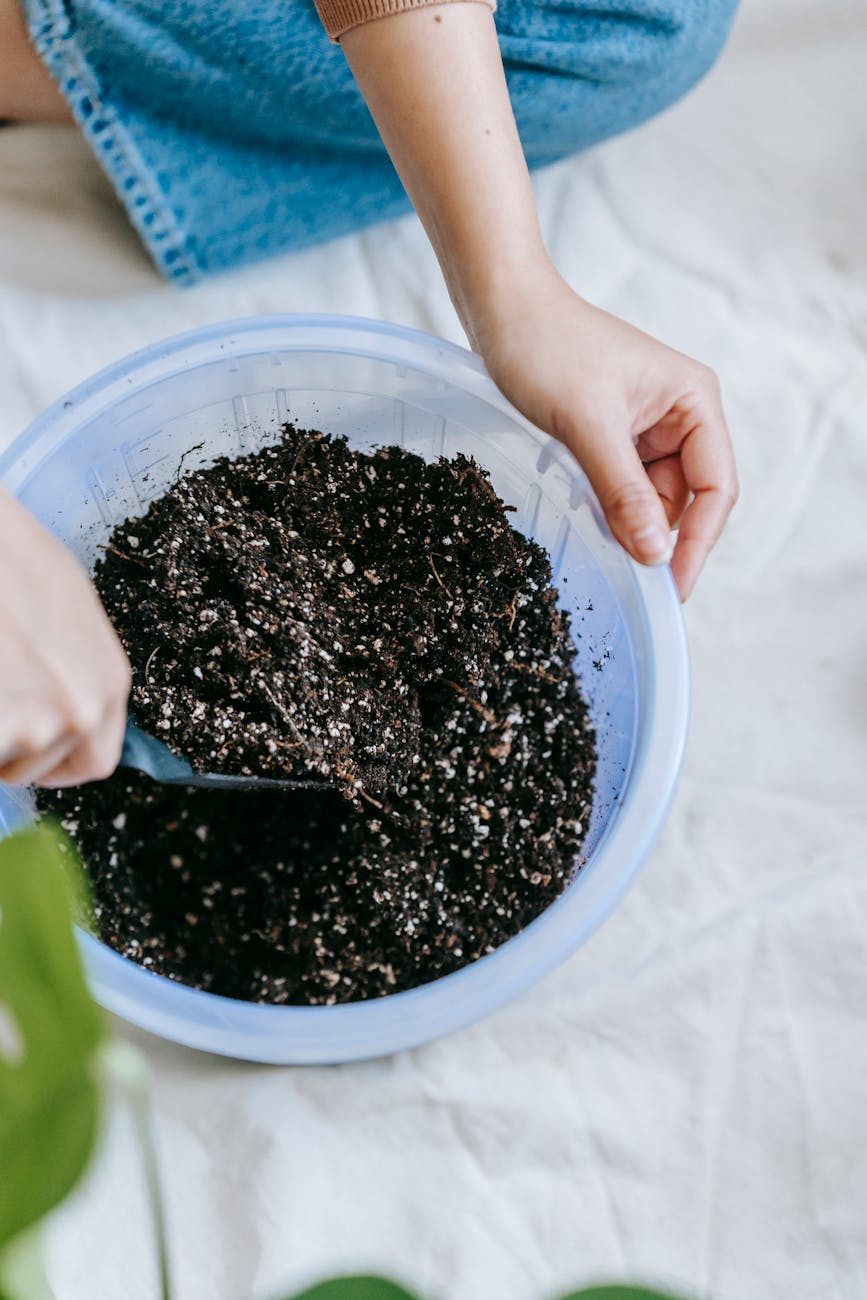
- In a large bucket or container, thoroughly mix all the dry ingredients together until uniform.
- Add a small amount of water gradually while mixing to achieve a loose, crumbly texture—not a solid mud ball. The goal is a fluffy, light mixture that easily holds its shape when squeezed but crumbles easily when handled.
Recipe 2: Specialized Mixes for Specific Urban Plants
Not all plants have the same needs. Adjusting your urban soil mix for beginners based on what you are growing will maximize your success.
For Succulents and Cacti (Drought-Tolerant Mix)
Succulents absolutely despise having wet feet, making drainage paramount. This mix needs to be extremely gritty.
- Composition: 50% Potting Soil (or a base of fine grit/sand), 30% Perlite, 20% Pumice or Lava Rock.
- Why it works: The high percentage of inorganic material ensures water drains instantly, preventing root rot common with these plants.
For Herbs and Leafy Greens (Nutrient-Rich Mix)
These edibles thrive on consistent moisture and rich nutrients.
- Composition: 60% Compost, 30% Coir/Peat Moss, 10% Perlite.
- Why it works: This mix offers excellent water retention for the roots while still providing the necessary aeration and slow-release nutrition for vigorous leaf growth.
For Flowering Plants (Balanced Mix)
For plants that need consistent moisture but still require good air circulation (like petunias or geraniums).
- Composition: 50% Compost, 35% Coir/Peat Moss, 15% Perlite.
- Why it works: This provides a balanced environment—enough water retention to reduce daily watering needs but enough air pockets to prevent saturation.
Step-by-Step Guide: Potting Your Urban Garden Successfully
Once you have your perfect soil mix, follow these steps to ensure your small garden flourishes:
Step 1: Choose the Right Containers
The container material matters as much as the soil. Terracotta breathes well but dries out quickly; plastic retains moisture longer. Ensure any containers you use have adequate drainage holes at the bottom.
Step 2: Prepare the Drainage Layer (Optional but Recommended)
For heavier mixes or if you are using decorative stones, place a small layer of coarse gravel or broken pottery shards at the very bottom of your container before adding the soil mix. This acts as an extra buffer against complete blockage of drainage holes.
Step 3: Fill with the Urban Soil Mix
Gently fill your pots with the prepared urban soil mix for beginners. Avoid compacting the soil by lightly tapping the sides of the pot as you settle the mixture in.
Step 4: Planting and Initial Watering
When planting seeds or seedlings, ensure you are using a quality seed starting mix if you are growing from seed. After planting, water thoroughly until you see excess water draining out of the bottom. This confirms that your drainage system is working perfectly.
Advanced Tips for Maximizing Small Space Gardening
Growing in limited space requires smart techniques to maximize every inch:
- Embrace Vertical Gardening: If floor space is truly nonexistent, look up! Utilizing walls and railings frees up precious horizontal space. For inspiration on this, explore resources like Vertical Gardening Wonders: Flower Displays on Tiny Walls.
- Container Color Matters: While the soil is functional, the aesthetic impact of your garden contributes to the experience. Consider how different colors affect plant perception and visual appeal. Learning about Container Color Theory for Stunning Small Urban Gardens can help you choose pots that complement your plants beautifully.
- Mulch is Your Friend: Once established, apply a thin layer of organic mulch (like wood chips or straw) on top of the soil. Mulch helps regulate soil temperature, reduces water evaporation, and suppresses weeds, allowing your precious urban soil mix for beginners to work even harder.
- Water Wisely: Because containers dry out faster than in-ground gardens, check the soil moisture daily by sticking your finger about an inch deep. Water deeply when you do water, rather than shallowly every day.
By understanding the fundamental principles of drainage, aeration, and nutrient delivery, you are setting yourself up for success. Start with a light, well-draining urban soil mix for beginners, and watch your balcony or windowsill transform into a vibrant, productive urban oasis!
Tags: urban gardening, balcony gardening, windowsill gardening, container gardening, beginner gardening, urban soil mix
Featured Image by Teona Swift on Pexels.