
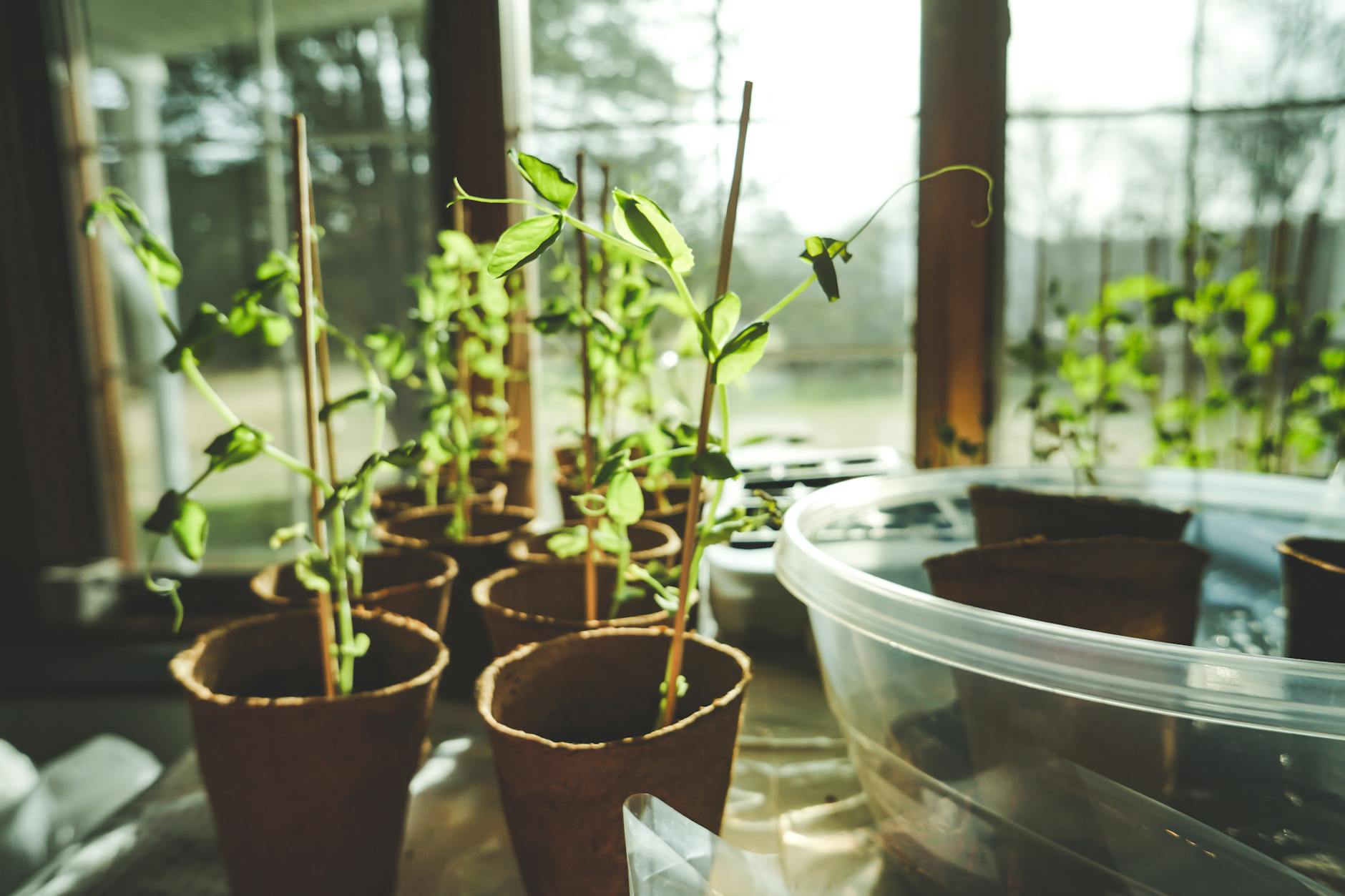
Indoor Seed Starting: Your Urban Gardening Kickstart Guide
Welcome to the exciting world of urban gardening! Whether you have a sprawling backyard or just a sunny windowsill, you can cultivate a vibrant garden right where you live. For city dwellers and those with limited outdoor space, starting seeds indoors is not just an option—it’s a necessity. It allows you to control the environment, start your season early, and ensure you have a healthy supply of vibrant plants ready for your urban oasis. This comprehensive guide will walk you through every step of the process, ensuring your seeds have the best possible chance to thrive as you embark on your green journey.
Why Start Seeds Indoors in an Urban Setting?
Urban gardening presents unique challenges, from limited sunlight exposure to unpredictable city weather. Starting seeds indoors offers several significant advantages for small-space gardeners:
Controlling the Environment
When growing indoors, you have complete control over temperature, humidity, and light exposure. This meticulous control is crucial for delicate seedlings that are highly susceptible to environmental fluctuations in an urban environment. You can provide the exact conditions needed for germination and initial growth, bypassing the unpredictable nature of outdoor city conditions.
Accessing Early Season Growth
Starting seeds indoors allows you to jump-start your gardening season. Instead of waiting for the unpredictable spring weather, you can begin growing your vegetables and flowers weeks or even months ahead of schedule. This gives you a head start on harvesting and enjoying the bounty of your garden sooner.
Maximizing Space Efficiency
In small urban spaces—be it a balcony, a windowsill, or a small indoor shelf—starting seeds indoors maximizes the potential of limited real estate. You can use simple containers to nurture your plants until they are strong enough for transplanting into larger pots or your actual garden space.
Protection from Urban Elements
City environments can expose delicate seedlings to harsh winds, sudden temperature drops, or pests that might be less severe in a sheltered indoor setting. Indoor starting provides a safe, controlled nursery environment for vulnerable young plants.
Preparing Your Indoor Seed Starting Station
Before you introduce any seeds, preparing the right environment is the most critical step when starting seeds indoors urban gardening. A successful start depends on providing the correct foundation for germination and early growth.
Selecting the Right Containers
The containers you choose must allow for proper drainage and root development. Avoid using small, unvented pots that can hold too much moisture, which leads to root rot.
- Drainage is Key: Ensure every container has adequate drainage holes at the bottom. If you are using self-watering methods, ensure there is a way for excess water to escape.
- Material Matters: Terracotta, plastic, or fabric pots all work, but ensure they are appropriate for holding moisture effectively. For seedlings that will eventually be transplanted, slightly larger containers allow for more room for root expansion.
Choosing the Right Growing Medium
The soil you use as a starting medium needs to be light, airy, and nutrient-rich to support delicate seedlings. Do not use heavy garden soil directly in small pots, as it compacts easily.
- Seed Starting Mix: Use a high-quality, sterile seed-starting mix specifically formulated for indoor or container growing. This mix is balanced and provides the necessary aeration.
- Potting Soil Alternatives: For finer control, you can mix materials like peat moss, perlite, and vermiculite to create an ideal, lightweight medium that retains moisture without becoming waterlogged.
Optimizing Light Exposure
Light is the fuel for your indoor garden; without it, nothing will grow. Indoor light conditions must mimic the bright, consistent light that seeds need to germinate and develop strong leaves.
- Window Placement: Place your containers near a large, unobstructed south-facing window if possible, as this provides the most intense natural light available indoors.
- Supplemental Lighting (Grow Lights): For many indoor gardening scenarios, especially in darker urban spaces, supplemental grow lights are essential. Full-spectrum LED grow lights are highly recommended as they mimic natural sunlight and provide the necessary intensity for robust growth of your starting seeds indoors urban gardening. Ensure your plants receive at least 14 to 16 hours of light per day.
The Step-by-Step Process for Starting Seeds Indoors
Follow these steps diligently to ensure a smooth transition from seed to sprout. Consistency is the secret ingredient in successful indoor starting.
Step 1: Selecting and Preparing Your Seeds
Choose high-quality, non-GMO seeds appropriate for your desired plants. Read the packet carefully to understand the required depth and spacing instructions. Ensure the seeds are dry before planting.
Step 2: Planting the Seeds
Fill your chosen containers with the prepared seed-starting mix. Create a small depression or line in the soil where you will place the seeds.
- Depth Rule: Generally, plant seeds about twice to three times the depth of the seed itself. For many vegetables, planting seeds shallowly is sufficient, but always follow specific seed packet instructions.
- Spacing: Arrange the seeds according to the spacing guidelines. When starting seeds indoors urban gardening, proper spacing prevents overcrowding, which leads to weak, stunted plants later on.
Step 3: Maintaining Optimal Moisture Levels
Keeping the medium consistently moist but never soggy is a constant balancing act during this phase.
- Watering Technique: Water gently, using a fine spray or a watering can with a gentle stream, ensuring the water reaches the soil around the seeds without washing the seeds away or creating standing water in the container.
- Monitoring: Check the moisture level daily. Seeds need consistent moisture to break dormancy, but overwatering is the fastest way to cause rot.
Step 4: Managing Temperature and Humidity
Indoor environments can be cool, especially if you are using a window sill without supplemental heat.
- Temperature Control: Most seeds thrive in temperatures between 65°F and 75°F (18°C and 24°C). If your indoor space is cooler, consider placing the containers on a heat mat or inside a slightly warmer area to encourage faster germination.
- Humidity Management: Indoor air can often be quite dry. To help seeds germinate properly, you can create a mini-greenhouse effect by placing the pots inside a clear plastic dome or plastic wrap. This traps moisture and raises the ambient humidity around the seeds, which is especially helpful for delicate seedlings.
Caring for Seedlings as They Grow
Once germination occurs, the focus shifts to nurturing these fragile new lifeforms until they are ready for their final destination.
Thinning the Seedlings
As seedlings grow, they will inevitably sprout closely together. To ensure each plant has adequate space to develop strong roots and foliage, you must thin them out.
- Pruning: Once the seedlings have developed their first set of true leaves (usually after the first week), carefully snip off the weaker seedlings at the base of the stem. This allows the strongest plants to focus their energy on growing larger and healthier.
Fertilizing Young Plants
Seedlings use up the nutrients in the starting mix quickly, so feeding them is essential for vigorous growth.
- Balanced Feed: Once seedlings are actively growing (not just sprouting), begin feeding them with a diluted, water-soluble fertilizer specifically formulated for vegetables or flowers. Use a weaker concentration than recommended on the bottle to avoid burning the tender roots.
Transplanting: Moving from Indoor Start to Urban Reality
The moment your seedlings develop a few sets of true leaves and their roots are established in their small pots, it is time for the big move—transplanting them into their final home.
Preparing the Transplant Site
Whether you plan to use balcony containers, window boxes, or larger raised beds, ensure these outdoor environments are prepared with fresh, nutrient-rich soil. Incorporate compost if possible to enhance the fertility of your urban garden space.
The Transplanting Process
Handle your seedlings gently; they are very delicate.
- Moisture Check: Lightly water the transplanted seedlings immediately after placing them in the new soil to help them acclimate.
- Depth: Plant the seedlings at the same depth they were in their starting pots, ensuring the roots are covered by the new soil.
Troubleshooting Common Indoor Seed Starting Issues
Even with careful planning, challenges can arise. Being prepared for common problems will save your indoor gardening efforts.
Poor Germination Rate
If seeds fail to sprout, the issue is usually related to one of three factors: poor seed quality, incorrect temperature, or insufficient moisture during the initial phase. Always re-evaluate your light and warmth settings before assuming the seeds are flawed.
Leggy Growth (Stretching)
If your seedlings are growing tall, thin, and weak with long stems but few leaves, it is a classic sign of insufficient light. This condition, known as etiolation, occurs when plants stretch desperately to find light. Solution: Increase the intensity and duration of your grow lights immediately.
Mold and Fungal Diseases
Because indoor environments can sometimes be humid or poorly ventilated, mold and fungal issues can appear. Keep good airflow around your pots. If you notice fuzzy growth on the soil or on the stems, consult resources on prevention and treatment; for instance, you can review advice on Fungal Diseases in Urban Gardens: Prevention & Treatment Guide to learn how to manage these threats effectively.
Expanding Your Indoor Vision
Starting seeds indoors is the gateway to a successful urban garden, but it is just the beginning. Once you master this indoor phase, you can expand your gardening ambitions. For those looking to maximize vertical space on balconies or patios once your plants are established, exploring methods like Vertical Gardening Wonders: Flower Displays on Tiny Balconies can help you utilize every inch of your outdoor real estate. Embrace the process, enjoy watching your indoor seeds transform into thriving urban greenery, and watch your small garden flourish!
Tags: indoor gardening, seed starting, urban gardening, beginners guide, seedlings, small space gardening, seedlings indoors
Featured Image by . ▃ on Pexels.