
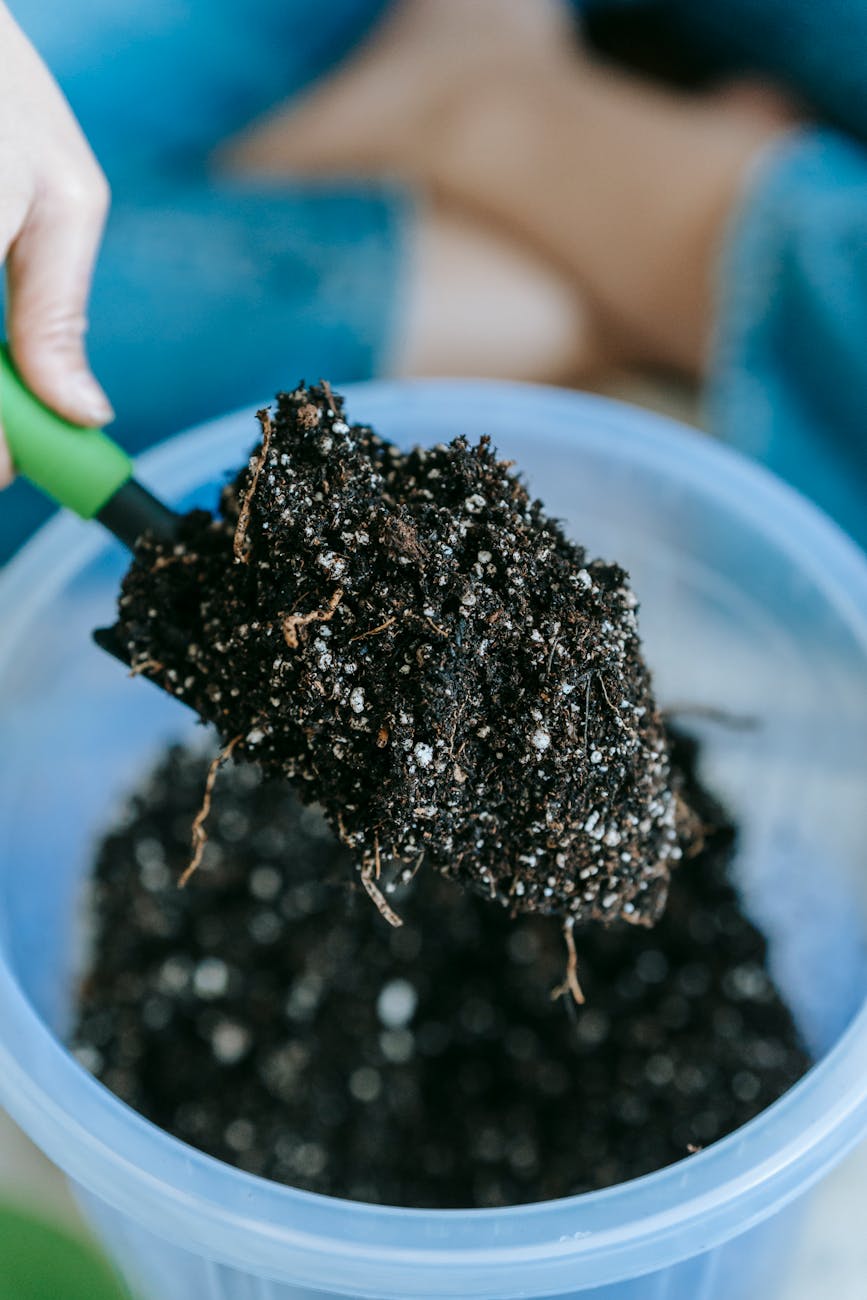
Understanding the Foundation: Why Soil Matters in Urban Spaces
When you step into urban gardening, you are not just moving dirt into a pot. You are engaging with a complex biological system. The container is merely a vessel; the soil inside is the ecosystem. A poor foundation here leads directly to stunted growth, nutrient deficiencies, and ultimately, failed harvests. Understanding the mechanics of what makes up your growing medium—potting mix versus compost versus drainage—is the single most important step in mastering urban gardening. This isn’t about following a recipe; it’s about understanding chemical reactions and water dynamics.
The Anatomy of Growing Media: Potting Mix vs. Compost
Many beginners conflate these terms, treating them as interchangeable ingredients. They are not. Think of soil components as having distinct functions. One component provides structure, another supplies nutrition, and the third manages moisture flow.
Potting Mix: The Structural Backbone
Potting mix is your starting point. It is a carefully engineered blend designed for aeration and water retention in confined spaces. Its primary function is to provide physical support for the roots while allowing necessary air pockets to form around them. A good potting mix balances materials like peat moss, coir, or bark fines with perlite or vermiculite. These amendments introduce porosity. Porosity allows oxygen to reach the roots. Roots need oxygen to respire efficiently; suffocated roots decay quickly, regardless of how much water you provide.
When selecting a commercial potting mix, examine the particle size. Finer particles hold more moisture but can compact easily. Coarser particles allow for better drainage and aeration. For heavy feeders or those cultivating dense root systems, mixing in extra perlite significantly increases the soil’s ability to breathe. This physical structure dictates how effectively water moves through the system.
Compost: The Slow-Release Nutrient Bank
Compost operates on a completely different mechanism. It is the result of biological decomposition. When organic matter breaks down, it releases essential macro- and micronutrients in a slow, steady release pattern. This process feeds the beneficial microorganisms living within the soil matrix. Compost inoculates the growing medium with a rich microbial life that facilitates nutrient uptake for your plants.
Using compost directly in containers can be problematic. Raw compost is often too dense and heavy for container use. It tends to compact heavily when wet, creating waterlogged zones. Therefore, compost serves best as an amendment, not the sole ingredient. Mix a measured amount of high-quality compost into your potting mix to introduce those rich microbial communities without sacrificing the necessary porosity provided by the inorganic components.
Drainage: The Non-Negotiable Requirement
Drainage is arguably more critical than the composition itself when dealing with containers. Water must have an exit path. If water accumulates at the bottom of the pot, the roots face root rot—a fungal infection that causes cell death and eventual plant demise. This occurs because the soil matrix becomes saturated, eliminating all air space and suffocating the roots.
The role of drainage is to facilitate gravity-driven flow. Standard potting mixes generally possess adequate drainage when properly amended with grit like perlite or coarse sand. However, if you are using heavier substrates or growing moisture-loving plants, you must ensure the container has functional drainage holes. Never attempt to grow without an effective drainage system; it is a foundational physical constraint for success in urban settings.
Deconstructing the Soil Recipe: Mixing Your Own Urban Garden Soil Guide
To truly understand the power of soil, some gardeners experiment with creating bespoke mixtures. This approach allows precise control over the final product, moving beyond off-the-shelf solutions. When developing your urban gardening soil guide, you are essentially designing a medium optimized for container constraints.
The Ideal Potting Mix Formulation
A successful urban potting mix requires a strategic balance. Consider this typical ratio for general container growing:
- 40% Base Material: High-quality, peat-free coir or coco coir provides the primary water-holding capacity.
- 35% Aeration Agents: Perlite, vermiculite, or coarse sand are essential to create air pockets and prevent compaction. This is where you ensure the necessary porosity.
- 25% Organic Matter/Nutrient Source: This component introduces the microbial food source. Use a well-aged compost mixed finely into this layer.
This ratio ensures that water can move through the system, oxygen can reach the roots, and nutrients are available without causing saturation. Observe how different materials interact; perlite creates air pockets, while coir absorbs the water held within those pockets.
Integrating Compost Effectively
When incorporating compost, think of it as a slow-release nutrient boost layered into your physical structure. Do not simply dump compost on top. Mix it thoroughly with the bulk potting material before filling your containers. This ensures that the beneficial microbes are dispersed throughout the entire root zone immediately upon planting. The goal is to establish a living substrate from day one.
Environmental Factors and Soil Interaction
The soil you use interacts directly with the microclimate of an urban space. Containers heat up differently than in-ground beds. They dry out faster, meaning the water management aspect becomes paramount.
Water Dynamics in Container Systems
In pots, evaporation rates are high due to direct exposure to air movement and sunlight. This necessitates a medium that can hold moisture but doesn’t become waterlogged. A soil structure rich in aeration agents (like perlite) slows down the rate at which the entire volume becomes saturated. When roots encounter consistently moist, anoxic (oxygen-deprived) conditions, they enter a stress state where nutrient absorption halts. Proper drainage mitigates this risk by ensuring that excess water is expelled before it can cause systemic failure.
Selecting Plants for Your Specific Soil Conditions
The type of plant you choose must align with the soil medium you provide. A succulent or a drought-tolerant herb thrives in mixes high in aeration and fast drainage. Conversely, heavy feeders like tomatoes require a mix with excellent moisture retention capability, which means ensuring your base material (like coir) is robust enough to hold water for longer periods without compacting into a muddy brick. When planning what you can grow where, always assess the physical properties of your soil first. For instance, understanding how well plants tolerate specific moisture levels informs choices like selecting appropriate blooms, such as when considering Balcony Bloom Secrets: Choosing Flowers for Your Urban Microclimate.
Troubleshooting Common Soil Issues
Observing your garden allows you to diagnose problems before they escalate into crises. Most issues trace back to a failure in the soil’s ability to manage water or provide oxygen.
Symptoms of Poor Drainage
If you notice leaves wilting suddenly, even when the topsoil appears damp, check the bottom of the pot immediately. If the substrate is matted down and saturated, drainage is compromised. This signals immediate root distress. Correcting this involves adding more aeration material to future mixes or ensuring your containers have superior outflow capabilities.
Symptoms of Nutrient Lock-Up
If plants appear stunted despite adequate water, it suggests a nutrient lock-up, often caused by poor microbial activity or lack of fresh nutrients. Reintroducing compost slowly, perhaps diluted with water, can stimulate the necessary biological processes. Healthy soil is alive; if you feed it dead matter, it will remain inert. Focusing on maintaining a living soil environment—rich in organic matter and well-aerated—is the key to sustained urban gardening success.
Tags: potting mix, compost, drainage, container gardening, urban gardening, soil science, city gardens
Featured Image by Teona Swift on Pexels.