
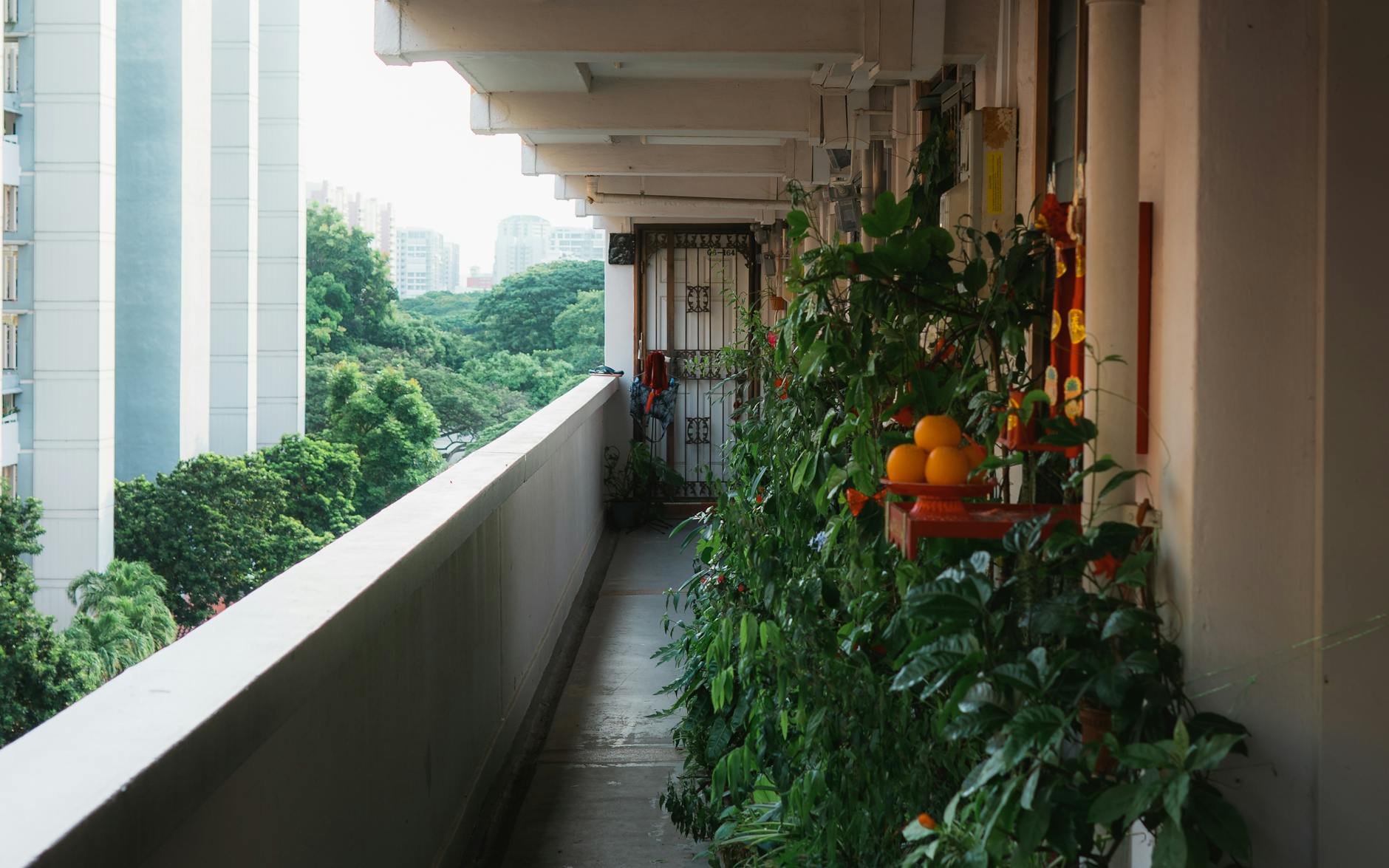
Maximizing Space: The Mechanics of Vertical Vegetable Gardening
The constraints of urban living often force us to rethink where and how we grow food. When square footage is scarce, the solution isn’t just about finding more space; it’s about redefining the dimension of the available space. This is where vertical vegetable gardening steps in. It transforms a flat, restrictive balcony or tiny patio into a multi-tiered ecosystem. We are moving from a two-dimensional constraint to a three-dimensional opportunity. Understanding the mechanics behind this approach—how light, water, and root systems interact vertically—is the key to success.
Think about the physical reality of a balcony. It’s a fixed plane. Traditional gardening forces us into a linear arrangement, which often wastes vertical potential. Vertical systems invert this logic. They utilize the entire accessible surface area, stacking cultivation layers one upon the other. This layered approach dictates how resources flow through the system. Plants at different levels experience varying light intensities and moisture retention rates. Successful vertical gardening requires an acute awareness of these micro-environmental differences across the structure.
Light Management in Layered Systems
Light is the engine of plant growth. In a dense urban setting, sunlight exposure is often inconsistent, shifting dramatically based on neighboring buildings or the time of day. A crucial aspect of successful vertical vegetable gardening is mapping out this light gradient.
The top tiers receive the most direct, unfiltered solar radiation. These spots are ideal for sun-loving crops like tomatoes, peppers, and beans. Lower tiers, shaded by the upper layers, will host plants that tolerate lower light levels. Leafy greens such as lettuce and spinach often thrive in these slightly less intense conditions. Observation shows a clear correlation: positioning shade-tolerant plants underneath sun-lovers creates an efficient light-sharing matrix across the entire vertical structure. You need to analyze your balcony’s orientation—north-facing walls receive significantly less intense light than south-facing ones—before selecting what goes where. Ignoring this step leads to stunted growth and inevitable disappointment.
Water Distribution and Drainage Protocols
Water management presents a unique challenge in vertical setups. Gravity assists drainage, but creating an efficient, self-watering system is essential for minimizing water waste and preventing root rot among densely packed plants. When containers are stacked, the soil moisture profiles will differ significantly between tiers.
Implementing proper watering protocols means understanding substrate differences. A heavy, fast-draining potting mix might be necessary for the upper layers where runoff is quick. Deeper, moisture-retentive mixes might suit lower levels that need consistent hydration. We must manage the flow. Excess water pooling in the upper containers can lead to saturation and fungal issues among the plants below them. Therefore, selecting appropriate materials—the right pots and the right soil mix—is foundational before even planting begins. Consider how your substrate choice impacts overall container health; exploring options like Container Gardening for Apartments: Choosing Pots & Soil provides essential groundwork for this process.
Selecting the Right Vertical Systems and Structures
The term “vertical gardening” encompasses a wide spectrum of physical solutions. The choice of system dictates the complexity, material requirements, and overall yield potential. Some systems are passive; others require active mechanical components. Evaluating these options based on your specific balcony constraints is paramount.
Pallet and Repurposed Wood Solutions
One of the most popular and cost-effective methods involves utilizing reclaimed materials. Wooden pallets or sturdy lumber offer a robust framework for creating tiered shelving or hanging planters. The aesthetic appeal is high, blending rustic charm with functional horticulture. When using these structures, safety must be the primary consideration. Ensure any wood used is untreated, or treat it properly if you intend to use it long-term against moisture.
The challenge here shifts from structure to containment. You still need effective planting pockets. This often means integrating fabric liners or specialized grid systems within the wooden frame. The wood provides the support; the added material manages the soil and defines the planting zones for each vegetable.
Hanging Systems: Maximizing Airflow
Hanging systems excel at utilizing vertical space without taking up floor footprint, ideal for balconies where floor space is even more limited. Macrame hangers, simple rope systems, or custom-built trellis structures work well here. The key mechanism in hanging gardening is airflow. Plants need air circulation to prevent mildew and pest infestation. A densely packed, stagnant environment fosters decay quickly. Positioning plants so they are not suffocating each other allows for healthy transpiration and root respiration. This concept connects strongly with optimizing the microclimate of your space. For inspiration on selecting appropriate companion plants that thrive in specific light conditions, reviewing Balcony Bloom Secrets: Choosing Flowers for Your Urban Microclimate can inform your overall aesthetic and growing strategy.
Modular and Stackable Containers
For those prioritizing a clean, modern look or maximum soil capacity per unit, modular vertical systems—often involving interlocking crates or tiered shelving units—prove highly effective. These systems allow for precise stacking and easy rearrangement as plant needs evolve. The mechanism here is simple: standardized modules create predictable growth zones. You can stack these containers vertically against a wall, creating an uninterrupted green facade. This method requires careful planning of the weight distribution; heavier, wetter soil must be situated on structurally sound bases to prevent collapse.
Cultivating Specific Crops in Vertical Environments
Not all vegetables thrive equally in the same vertical arrangement. The choice of crop directly influences the required depth of container and the necessary water schedule. We must match the plant’s intrinsic needs with the physical reality of its growing environment.
Root Crops vs. Vine Crops
Root vegetables, like carrots or radishes, require deep, uncompromised soil volume to develop their taproots properly. In a vertical system, this might necessitate deeper containers or specialized felt pockets designed to mimic deeper soil profiles. Conversely, vine crops—tomatoes, cucumbers, and pole beans—thrive when they can sprawl slightly, using the structure for support rather than strictly adhering to a narrow column. These plants benefit immensely from vertical trellises, where their growth is encouraged upward and outward along a supportive framework. The mechanical process here is utilizing the physical constraint of the vertical space as an extension of the plant’s natural climbing habit.
Leafy Greens and Shallow Systems
For fast-growing leafy greens, such as kale or Swiss chard, shallow container gardening works exceptionally well within a vertical vegetable gardening scheme. These crops tolerate slightly less substrate depth. They benefit from the system’s structure for maximizing light exposure across the whole surface area. Because they require consistent, moderate moisture, pairing them with a good, airy soil mix is crucial. This connection underscores the importance of selecting quality growing media; poor soil compromises even the most ingenious vertical design.
Pest Management in Dense Settings
When plants are grown closely together in a stacked environment, pest management changes. Air circulation, as discussed previously, is your first line of defense against fungal diseases. However, proximity also means that an infestation on one plant can rapidly spread to its neighbors if conditions become humid and stagnant. Monitoring the interfaces between layers becomes a necessary daily task. Regular visual inspection allows you to catch early signs of mildew or spider mites before they escalate into widespread crop damage. A proactive approach minimizes intervention later on.
The transition from traditional gardening to vertical methods is not just about rearranging pots. It is an exercise in applied spatial physics and ecological management. By understanding light mechanics, water flow, and plant biology simultaneously, you transform a small balcony into a highly productive, living wall. The resulting harvest, grown in these compact, intentional spaces, offers a profound sense of accomplishment that few other forms of gardening can match.
Tags: urban gardening, balcony gardening, small space gardening, vertical gardening, container gardening, apartment gardening, vegetable growing
Featured Image by William Gan on Pexels.